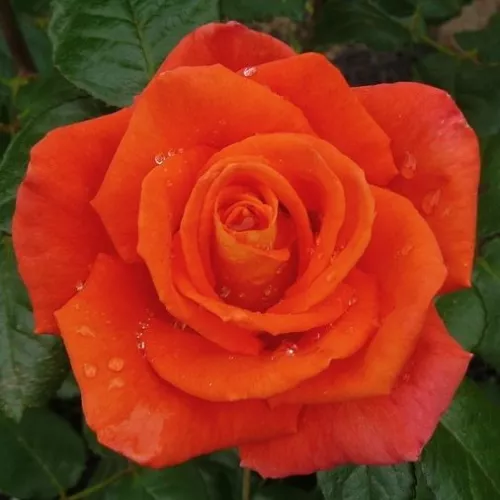
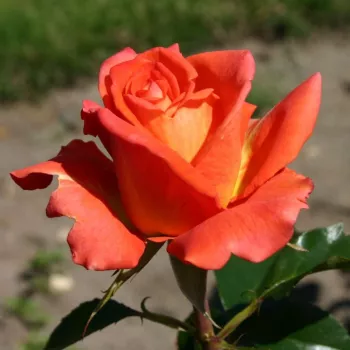
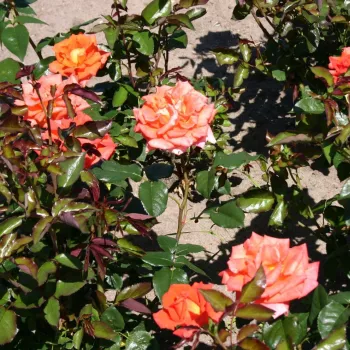
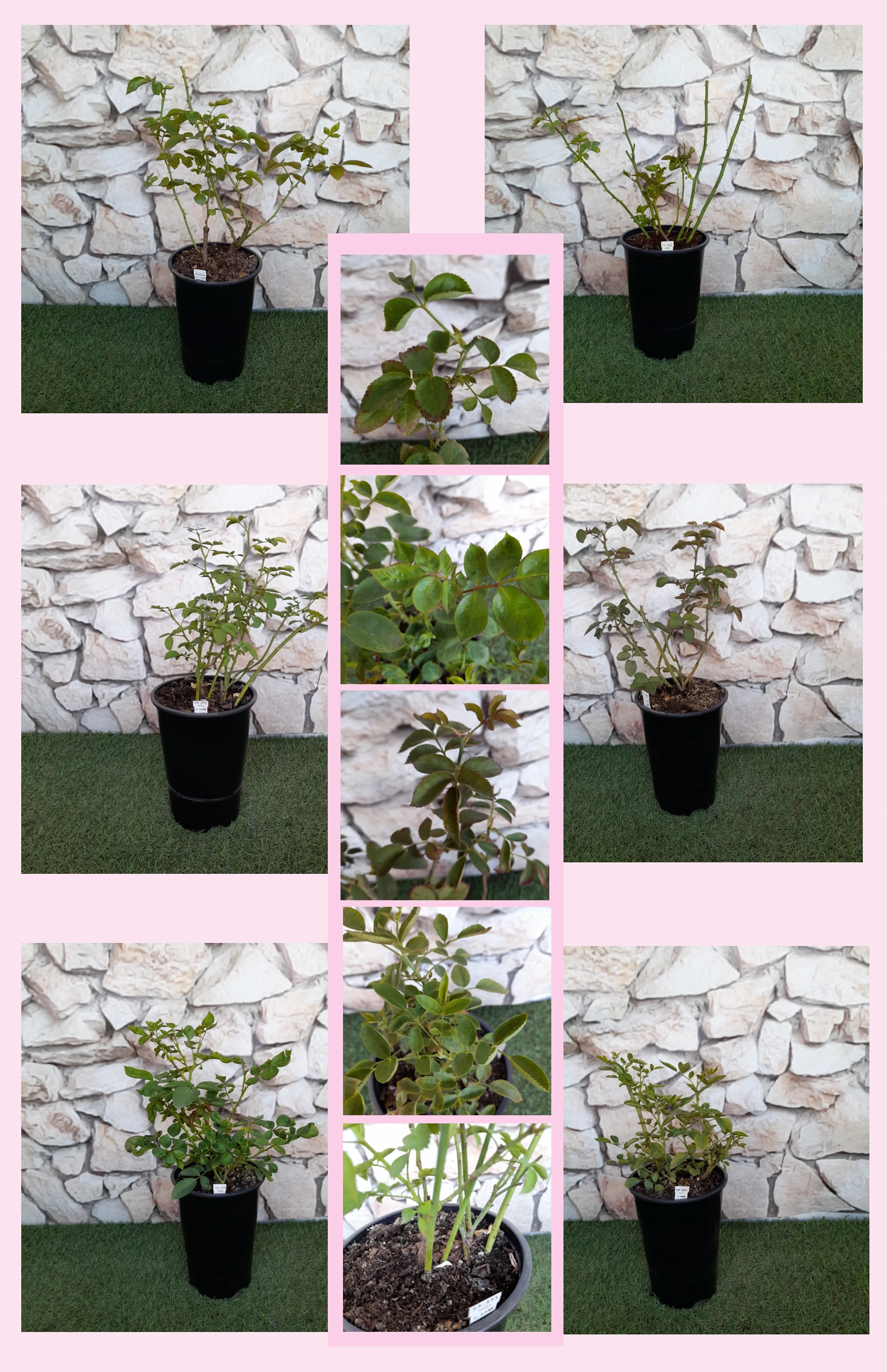
Monika – hybrid tea rose (TANaknom)
Monika brings a quietly luxurious, storybook romance to everyday gardens, combining tall, upright structure with glowing orange blooms that soften to peach and blush at the edges. Its glossy, dark green foliage frames the flowers beautifully, while reliable repeat flowering keeps your beds and cutting vases refreshed from early summer onwards. Bred for good disease resistance, it copes well in typical British conditions, even where air feels heavy and damp with persistent fungal pressure, making maintenance genuinely manageable for busy households. As an own-root plant, it settles gradually, building a durable lifespan and the ability to regenerate if cut back hard, so you can prune with confidence and enjoy dependable colour year after year.
Usage options
| Target area |
Reasoning |
| Feature rose in a cottage-style bed |
Monika’s tall, upright habit and glowing orange-to-peach blooms create a classic hybrid tea focal point that rises gracefully above lower perennials, giving an instant “storybook” centrepiece in a mixed border; ideal for the traditional cottage-garden lover homeowner |
| Low-maintenance family flower bed |
With breeding that focuses on strong resistance to black spot, mildew and rust, this variety keeps its dark, glossy foliage attractive with very little intervention, suiting families who prefer healthy, tidy planting without complex spraying routines busy-gardener |
| Cutting patch for home arrangements |
The high-centred, pointed buds and medium-sized double blooms are perfect for vases, holding their shape well as they open from fiery orange to softer peach tones, so a small cutting patch can supply regular flowers for relaxed afternoon tea tables rose-enthusiast |
| Own-root planting for long-lived borders |
As an own-root rose, Monika regenerates strongly from the base, maintaining varietal character even after hard pruning or weather damage, offering long-term stability and ornamental value in borders designed to mature gracefully over many seasons long-term-planner |
| Flexible pruning for beginners |
This hybrid tea responds well to both classic hard spring pruning and lighter shaping, without demanding exact technique, so newer gardeners can experiment confidently, knowing the plant will reshoot strongly and keep its upright form and flowering performance beginner |
| Partially shaded town or village gardens |
Monika tolerates partial shade, so it copes well beside fences, sheds or taller shrubs where sun may be limited for part of the day, still giving reliable colour and structure in typical suburban plots where full open exposure is not always available urban-gardener |
| Containers and large terrace planters |
The strong, vertical habit adapts well to deep pots of at least 40–50 litres, where the roots can anchor and support tall stems, making it suitable for patios, roof terraces or paved courtyards that need a romantic focal point without using bed space small-space-owner |
| Resilient planting under humid, disease-prone conditions |
Robust foliage and proven resistance help it stay attractive where summers are warm and air remains heavy and still, a practical choice for gardeners who have struggled with leaf diseases in the past yet still want classic hybrid tea blooms problem-site-gardener |
Styling ideas
- Cottage Axis – Plant Monika along a path with lavender and catmint to frame the fiery orange blooms in soft blue and mauve, creating a gentle approach to a seating arbour – ideal for romantic cottage-style gardeners
- Kitchen-Edge – Use one or two plants near a kitchen garden, backed by rosemary and sage, so armfuls of blooms are within easy reach for jug arrangements on the table – perfect for home cooks who love cut flowers
- Sunset Hedge – Create a loose hedge by spacing plants at about 55 cm and underplanting with airy grasses, letting repeated orange-peach flushes glow against feathery textures – suited to those wanting structure with low fuss
- Terrace Focus – Grow a single plant in a deep 50-litre terracotta container and surround it with white alyssum and soft pink diascia for a romantic, fragrant-feel seating corner – best for balcony and patio owners
- Warm Contrast – Combine Monika with purple coneflower and yellow-twig dogwood for strong seasonal contrast: summer warmth from the rose and winter stems from Cornus – for gardeners who enjoy bold colour stories
Technical cultivar profile
| Parameter |
Data |
| Name and registration |
Hybrid tea rose, registered as TANaknom, currently marketed as Monika – hybrid tea rose TANaknom; ARS approved exhibition name Monika; commercial type and group both hybrid tea rose. |
| Origin and breeding |
Bred by Hans Jürgen Evers for Rosen Tantau, Uetersen, Germany; parentage from unnamed seedlings; introduced and registered in 1985 in Germany under cultivar code TANaknom. |
| Awards and recognition |
Recipient of a Certificate of Merit at the New Zealand Rose Trials in 1990, recognising its garden and exhibition value under international trial conditions and confirming reliable ornamental performance. |
| Growth and structural characteristics |
Upright hybrid tea with moderately dense, glossy dark green foliage; reaches around 130–170 cm in height and 80–120 cm spread; moderately thorny stems provide sturdy support for long flowering shoots. |
| Flower morphology |
High-centred, pointed buds opening to medium-sized, double flowers with 26–39 petals, mainly borne singly on stems; remontant habit ensures an abundant second flush after the main early summer flowering. |
| Colour data and phenology |
Fiery orange-copper buds with yellow-golden undersides; blooms show bright orange with golden-yellow shading, lightening to pale peach with pink-tinged edges as they age; colour retention moderate through the flowering cycle. |
| Fragrance and aroma |
Fragrance is very weak and often barely noticeable, making it suitable where strong scent might be overwhelming indoors; primary appeal lies in colour, form and reliability rather than aromatic qualities. |
| Hip characteristics |
Hip set is usually limited due to deadheading and double blooms; when present, produces small, ellipsoid orange-red hips around 6–10 mm in diameter, offering occasional autumn interest on unpruned stems. |
| Resistance and winter hardiness |
Rated H7 with hardiness approximately down to −26 to −23 °C; good resistance to powdery mildew, black spot and rust; tolerates heat reasonably but benefits from irrigation during extended summer droughts. |
| Horticultural recommendations |
Suitable for beds, specimen planting and cutting gardens; recommended spacing 65 cm in mass plantings, 55 cm for informal hedges, and about 100 cm for specimens; performs well in partial shade situations. |
Monika Hybrid tea rose TANaknom offers upright structure, low-maintenance disease resistance and long-lived own-root reliability for romantic borders and cutting, and is well worth considering if you seek enduring cottage-garden charm.