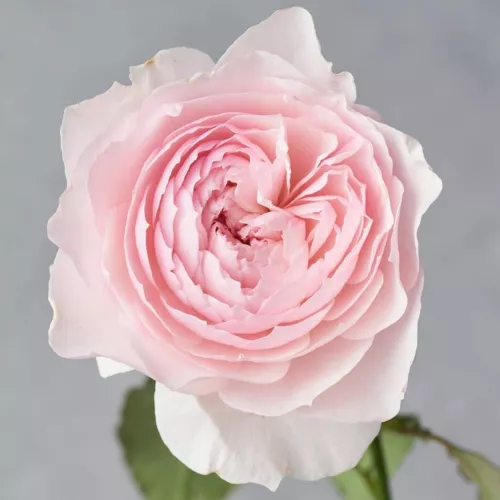
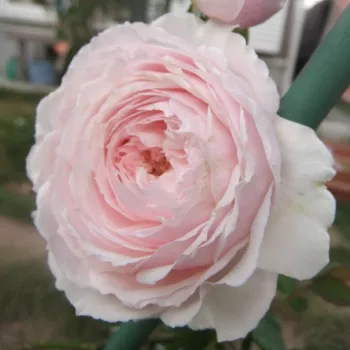
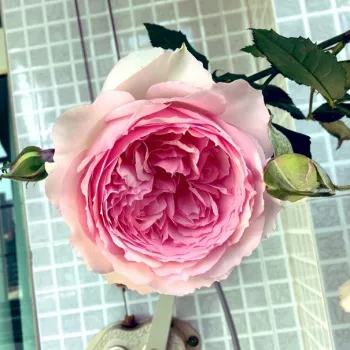
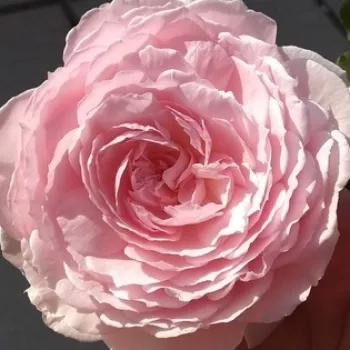
MISAKI – light pink nostalgia rose – Kunieda
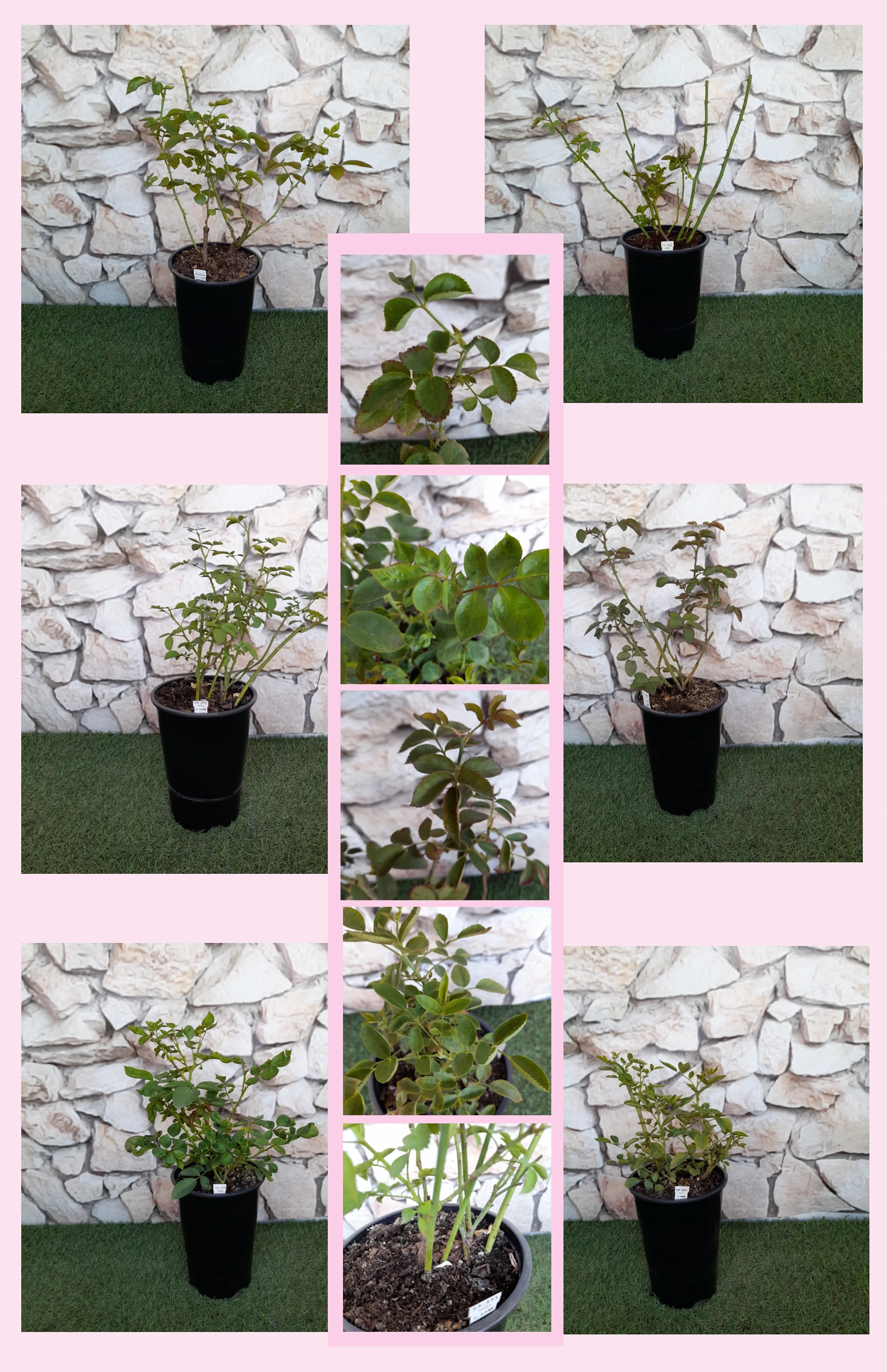
Romantic borders and cottage gardens suit MISAKI perfectly, with its compact, bushy habit fitting easily into small family plots while delivering generous, remontant flushes of large, very full rosette blooms. The rich, fruity–damask fragrance carries on still, warm afternoons, giving you the sense of afternoon tea beneath an arbour and a quietly cosy corner you can return to for years. As an own‑root rose it builds a resilient framework that regrows reliably from the base, supporting a long, steady life in typical British conditions where good drainage matters on heavy soils exposed to wind and rain. Use it as a repeat-flowering specimen or in low hedges; its moderate maintenance needs suit time-poor gardeners who still want a strongly scented focal point.
Usage options
| Target area |
Reasoning |
| Mixed cottage border near seating |
MISAKI’s very strong fruity–damask scent is noticeable from a distance, so one or two shrubs near a bench or terrace give you maximum enjoyment from limited space while keeping maintenance modest for the busy home gardener. |
| Front-of-border structure in small gardens |
The compact, bushy habit and 70–100 cm height make it ideal for defining the front or middle of borders without overwhelming nearby plants, offering a tidy outline that needs only light annual tidying for the urban plot owner. |
| Romantic low hedge along a path |
Recommended spacings of 40–45 cm allow MISAKI to knit into a soft, flowering hedge with repeating flushes, creating a storybook walkway while remaining easy to manage and refresh by simple pruning for the family garden planner. |
| Feature rose in a large container |
In a 40–50 litre pot MISAKI’s moderate spread and remontant flowering give reliable colour and scent on patios or balconies; the own‑root habit supports long-term pot culture with basic feeding and watering for the time-limited beginner. |
| Cutting patch for home arrangements |
The large, very full rosette blooms with long, straight stems translate well into vases; planting a small group provides regular pickable flowers through the season with simple deadheading for the creative home florist. |
| Clay or chalky UK family gardens |
Once planted into improved soil or a raised bed, MISAKI’s own‑root system anchors firmly and copes well where drainage can be tricky in wet, windy weather, offering stable performance and shape for the practical homeowner. |
| Long-term backbone rose in a cottage scheme |
As an own‑root shrub, MISAKI builds strength year by year, regenerating from the base after hard winters or pruning, so the outline and bloom quality remain dependable over time for the long-view garden planner. |
| Low-maintenance romantic focal point |
Moderate disease resistance, medium self-cleaning and repeat flowering mean routine checks and occasional plant protection typically suffice, balancing beauty with a realistic workload for the relaxed hobby gardener. |
Styling ideas
- TEA-ROSE NOOK – Underplant MISAKI with Scabiosa columbaria and soft grasses to frame a small bistro set, using its fragrance and compact habit to shape an intimate tea corner – ideal for scent-loving couples.
- COTTAGE RIBBON – Run a low hedge of MISAKI along a front path, interspersed with lavender for contrast; the structured yet gentle line suits traditional family homes seeking kerbside charm.
- PASTEL PATCH – Combine MISAKI with Verbena hastata ‘Pink Spires’ and pale foxgloves for vertical accents, letting the bushy rose anchor a pastel cutting area – perfect for home bouquet makers.
- CONTAINER COURTYARD – Plant a single MISAKI in a 40–50 litre terracotta pot, circling the rim with trailing herbs, to bring scent and structure to small patios – good for balcony and courtyard gardeners.
- ROMANTIC FRAME – Repeat MISAKI in threes at border corners with Carex flacca ‘Blue Zinger’ at the feet, using its regular flowering as a soft anchor – suited to those building a long-term cottage layout.
Technical cultivar profile
| Parameter |
Data |
| Name and registration |
Romantic shrub rose marketed as MISAKI – light pink nostalgia rose – Kunieda; part of the Romantic rose collection, commercial type nostalgia rose, cut-flower and garden shrub usage. |
| Origin and breeding |
Bred by Keiji Kunieda at Rose Farm Keiji, Japan; introduced 2007 by the same nursery, with parentage not publicly disclosed and selection aimed at romantic, strongly scented garden and cut use. |
| Growth and structural characteristics |
Compact, bushy shrub reaching around 70–100 cm high and 40–60 cm across, moderately dense light-green foliage, slightly thorny canes, suitable for borders, low hedges and larger containers. |
| Flower morphology |
Large, very full rosette blooms with over 40 petals, borne mostly solitary; remontant with a good second flush, providing generous flowering periods suitable for both garden display and cutting. |
| Colour data and phenology |
Light pink flowers, RHS 65D outer and 65B inner; buds powder pink, opening to soft mid-pink centres, then fading to pale, almost white petals, especially towards the edges as the blooms age. |
| Fragrance and aroma |
Very strong, rich fruity–damask scent, clearly noticeable from a distance in warm, still weather; bred primarily as an ornamental and cutting rose where fragrance is a key selection feature. |
| Hip characteristics |
Produces small, spherical red hips only occasionally, typically 6–10 mm in diameter; mainly grown for flowers and fragrance rather than for ornamental hip display in autumn and winter. |
| Resistance and winter hardiness |
Hardy to approximately −26 to −23 °C (RHS H7, USDA 5b, Swedish zone 4); moderate disease resistance overall, with good resistance to powdery mildew and moderate tolerance of black spot and rust. |
| Horticultural recommendations |
Best in sunny positions with improved, well-drained soil; regular watering needed in prolonged dry spells, plus occasional plant protection. Recommended spacing: 40–75 cm depending on hedge, mass or specimen planting. |
MISAKI – light pink nostalgia rose – Kunieda offers compact, bushy elegance, repeat flowering and powerful scent on a durable own-root framework, making it a thoughtful choice for long-term, low-fuss romantic planting.