MINNEHAHA – pink historic rambler, rambling-climbing rose - Walsh
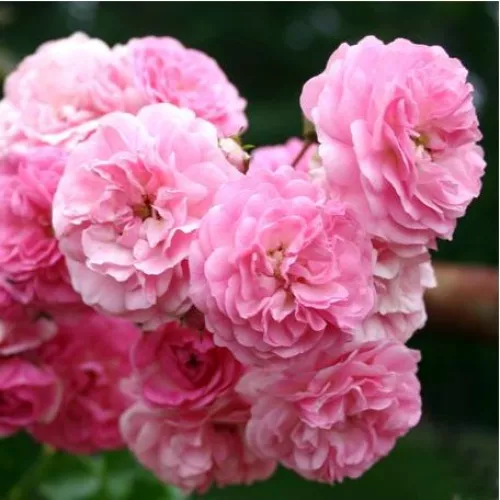
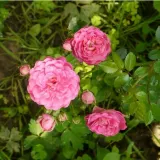
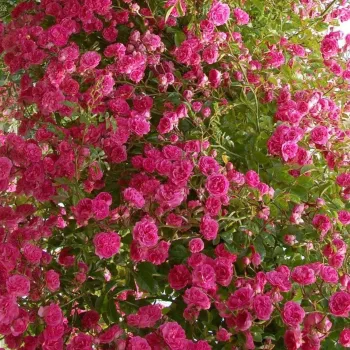
This romantic historic rambler brings a sense of storybook charm to family gardens, clothing arches, pergolas and old walls in clouds of small, double, pink pompon blooms. Once established, its vigorous growth reliably covers large structures, helping you create that English cottage-garden feel with minimal effort. Bred in 1904, it remains prized for its hardy character, dense, glossy foliage and strong structural coverage, ideal where wind and rain test plants in more exposed British plots. As an own-root rose, it offers reassuring longevity, regenerating from its base over time for a stable garden picture. Plant it in good drainage with a simple support, let it settle, and enjoy its curtain of pink in line with the natural rhythm of Year 1 roots, Year 2 shoots, Year 3 full ornamental presence.
Usage options
| Target area | Reasoning |
|---|
| Family pergola or garden arbour |
Its vigorous rambler habit and dense foliage make it ideal for clothing pergolas or arbours, creating a shady, flower-draped corner perfect for afternoon tea and children’s play beneath. Especially suitable for those seeking romantic cottage-garden structure, particularly beginners. |
| Arches over paths and gateways |
Minnehaha’s long, flexible canes train easily over arches, quickly forming a soft tunnel of pink blossom that frames entrances and paths without complex pruning techniques, ideal where you want instant atmosphere from a single feature plant, attractive to homeowners. |
| Covering fences and unsightly boundaries |
With a spread of up to 3,5 m and generous height, this rambler cloaks plain fences or functional boundaries in foliage and bloom, softening edges in small to medium gardens and reducing the need for frequent clipping, convenient for time-pressed families. |
| Clothing sunny house walls and garages |
Trained on simple wires, Minnehaha provides a long-lived, low-maintenance floral backdrop on walls or outbuildings, its own-root nature supporting regeneration from the base so the display remains stable over many years, reassuring for cautious buyers. |
| Climbing into small trees or tall shrubs |
This historic rambler can be allowed to weave through a sturdy small tree, producing cascades of pink above eye level and adding vertical interest without extra structures, an easy way to achieve a woodland-edge cottage look appreciated by romantic-style gardeners. |
| Large-scale groundcover on banks and slopes |
On embankments or awkward slopes, Minnehaha’s long canes and dense canopy help cover bare ground, reducing visual maintenance and supporting soil stability where mowing is difficult, a practical yet decorative choice for budget-conscious owners. |
| Traditional cottage and kitchen-garden borders |
Its once-a-year, abundant pink flowering gives a nostalgic summer highlight that pairs well with herbs, low yews and cottage perennials, while good disease resistance keeps foliage presentable even in humid, fungus-prone seasons experienced by many UK gardeners. |
| Coastal and more exposed garden positions |
Well-anchored canes and a resilient framework allow it to cope in more windswept, rainy situations, provided soil is prepared for reliable drainage and basic support is in place, making it a sound choice for practical yet romantic-minded newcomers. |
Styling ideas
- Arbour-retreat – Train Minnehaha up each side of a wooden arbour, underplant with lavender and dwarf yew for year-round structure – ideal for families creating a cosy tea corner.
- Storybook-arch – Drape a metal arch at the garden gate with Minnehaha, adding catmint and hardy geraniums at the base – suits romantic cottage-style enthusiasts.
- Kitchen-garden-screen – Use it along a fence behind raised veg beds, combining with St John’s wort and herbs for colour and privacy – perfect for practical kitchen-garden owners.
- Tree-veiling – Let it climb a small, sturdy ornamental tree, allowing cascades of pink through the canopy – best for gardeners wanting height without extra structures.
- Bank-cascade – Plant on a sunny slope to spill over stonework, mixing with low grasses and curry plant for texture – attractive to those taming difficult levels simply.
Technical cultivar profile
| Parameter | Data |
|---|
| Name and registration |
Minnehaha; Historic rambler, Hybrid Wichurana; commercial type historic rambling-climbing rose; ARS exhibition name Minnehaha; unregistered cultivar in formal registration systems. |
| Origin and breeding |
Bred by Michael Henry Walsh, Walsh’s Hardy American Roses, USA; Rosa wichurana × ‘Paul Neyron’; introduced 1904 in the United States as a hardy ornamental rambler for larger garden structures. |
| Growth and structural characteristics |
Very vigorous climbing rambler, approximately 4,5–7 m high and 2–3,5 m spread; dense, glossy dark green foliage, moderately thorny canes; best trained on strong supports or into small trees. |
| Flower morphology |
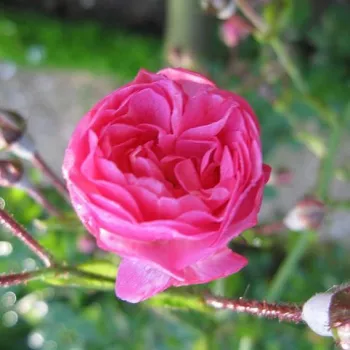
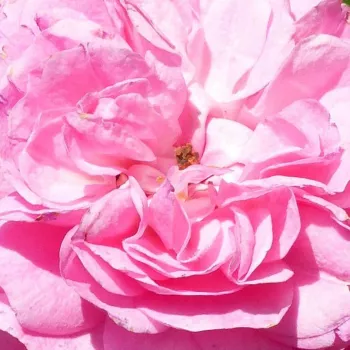
Small, double pompon blooms (26–39 petals), clustered inflorescences; ball-shaped flowers, size S (about 0,5–1,5 in); not remontant, providing a single but abundant main flowering flush. |
| Colour data and phenology |
Rich mid-pink opening tones, lightening toward the centre; ARS MP, RHS 62C outer, 65D inner; colour fades over time to pale pink or almost white, giving a soft pastel effect at full bloom. |
| Fragrance and aroma |
Fragrance very weak and barely noticeable, with a light rosy character only in close proximity; grown primarily for visual effect and structural impact rather than scent-driven planting schemes. |
| Hip characteristics |
Limited hip set due to double flowers; small spherical hips about 5–8 mm in diameter, red (RHS 44A); ornamental value is modest and usually secondary to the floral display and foliage. |
| Resistance and winter hardiness |
Good general disease resistance: resistant to powdery mildew and black spot, moderate susceptibility to rust; hardy to approximately –21 to –18 °C; RHS H7, Swedish zone 3, USDA zone 6b. |
| Horticultural recommendations |
Low maintenance once established; prefers sunny sites with well-prepared soil and support; spacing 1,45–2,70 m depending on use; protect from late spring frost and inspect occasionally for rust. |
Minnehaha combines vigorous historic rambler growth, generous structural coverage and reliable disease resistance in an own-root form that matures gracefully, making it a thoughtful choice for long-lived cottage-style planting.