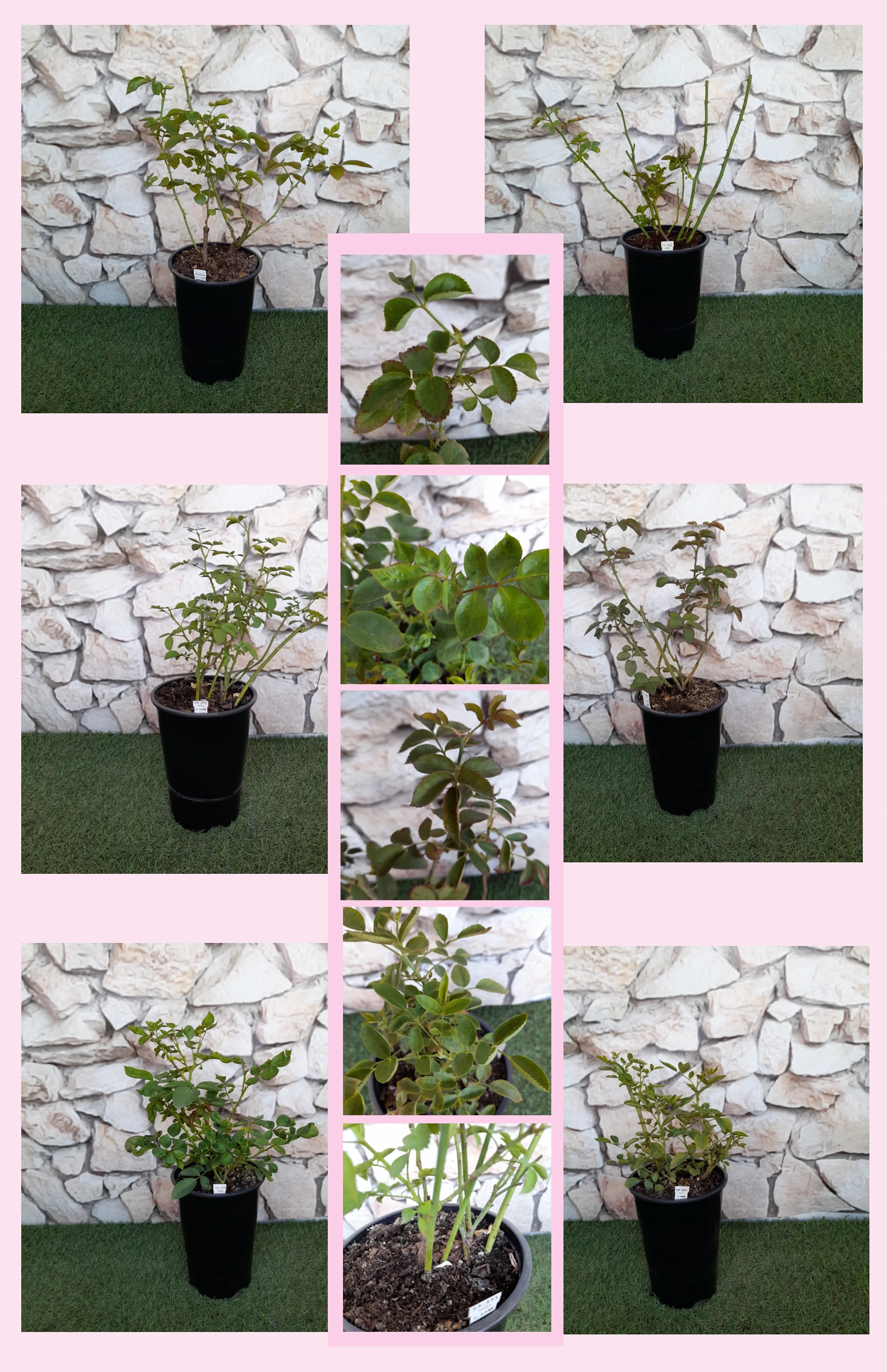
MEVROUW NATHALIE NYPELS – pink bedding floribunda rose - Leenders
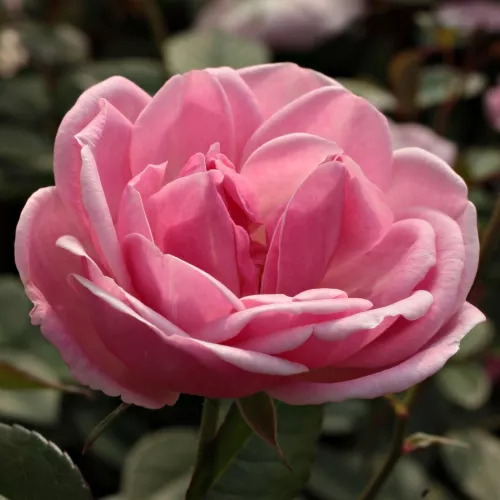
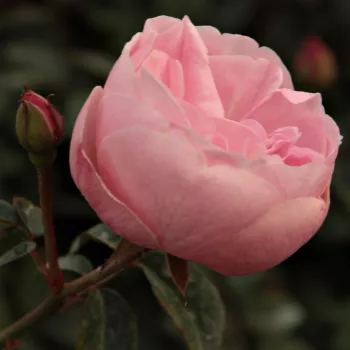
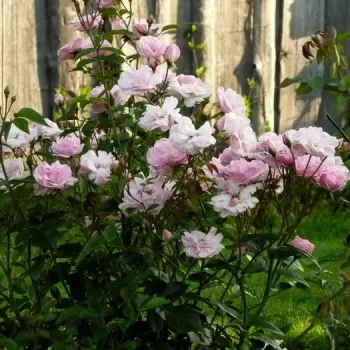
Choose the romantic charm of ‘Mevrouw Nathalie Nypels’ for a soft, cottage-style corner where you can unwind with afternoon tea and feel immediately at home. This compact floribunda creates a low, bushy border of pastel pink, cup-shaped blooms that repeat generously from early summer into autumn, staying neat thanks to its naturally self-cleaning flowers, so You spend more time enjoying and less time deadheading. The sweet, tea-like, fruity fragrance brings a nostalgic note beside a path or beneath a rose-covered arbour, while the dense, dark green foliage forms a tidy, clipped look ideal for family gardens and small front plots. As an own-root plant, it establishes soundly in typical British soils and copes reliably even where gardens are exposed to frequent wind and rain near the coast. Own-root growth means a long-lived, stable plant that can quietly regenerate from the base, supporting biodiversity with its semi-double blooms and pretty autumn hips. It settles in quickly from its 2-litre pot and, over the first three seasons, naturally progresses from building strong roots to fuller shoots and then a mature, richly floriferous display.
Usage options
| Target area |
Reasoning |
| Cottage-style front garden border |
This compact, bushy shrub stays around 50–70 cm, forming a low, rounded edging that suits modest front gardens and driveways. Its pastel pink, semi-double flowers repeat through the season, keeping the frontage colourful without complex maintenance, and self-cleaning blooms mean much less deadheading for busy homeowners. |
| Family garden flower bed |
Floribunda clusters provide a steady succession of flowers, offering dependable colour that children and guests can enjoy all summer. Medium disease resistance and moderate maintenance needs make it realistic to care for between work and family life, especially when combined with simple mulching and occasional feeding for time-pressed families. |
| Low informal hedge along paths or lawns |
Recommended spacing of 35–40 cm allows plants to knit into a soft, continuous line, ideal for edging lawns or paths in a cottage garden. Dense, dark green foliage gives a tidy appearance even between flushes of blossom, creating structure year-round without the harsh look of a clipped box hedge, perfect for cottage-style gardeners. |
| Patio container or large planter (40–50 litres+) |
The naturally compact habit adapts well to a generous container of at least 40–50 litres, where roots have space to develop and the plant remains stable in wind. Placed near a seating area, the strong, sweet, tea-like fragrance can be enjoyed at close quarters, suiting balcony and patio owners. |
| Partial shade in town and urban gardens |
This variety tolerates partial shade, so it can brighten side return beds, courtyards or the shadier edge of a kitchen garden. Soft pastel pink tones remain attractive where bolder colours might look harsh, and moderate height avoids blocking light, an advantage for urban terrace gardeners. |
| Traditional cottage border with perennials |
Its gentle, pearlescent pink flowers blend beautifully with heuchera, ajuga and creeping gypsophila, creating a layered, romantic look. The medium height and bushy spread mean it sits comfortably in the mid-front of a border, adding structure and repeat bloom that anchor more fleeting perennials for romantic-style enthusiasts. |
| Biodiversity-friendly mixed bed |
Semi-double flowers with 13–25 petals still allow moderate access to pollen and nectar, while small, orange-red hips in autumn provide seasonal interest and food for wildlife. As an own-root shrub, it can persist and thicken over time, forming a stable component in a nature-friendly layout valued by wildlife-conscious gardeners. |
| Coastal or wind-exposed family plots |
The bushy, low stature and spreading habit help it remain steady and well-anchored in breezier spots, and own-root growth supports recovery if wind or weather damage occurs. It copes particularly well in typical British gardens where regular showers and blustery days meet busy schedules for practical-minded owners. |
Styling ideas
- Tea-time Pathway – Line a narrow garden path with evenly spaced plants to form a low, scented edging, pairing with dwarf heuchera for foliage contrast – ideal for homeowners who cherish a gentle evening stroll.
- Kitchen-Herb Mix – Tuck this rose at the sunny edge of a kitchen plot, backing herbs and salad beds to bring romance and structure – perfect for cottage-garden cooks who like cut blooms near the back door.
- Pastel Courtyard – Grow it in a large 40–50 litre terracotta pot, underplanting with trailing ajuga to soften the rim and echo the rose’s pink tones – suited to urban gardeners creating a calm, intimate nook.
- Storybook Hedge – Plant a row along a lawn or gravel path to create a low, informal hedge, interspersed with creeping gypsophila for a lacy skirt of white – appealing to families wanting a traditional, storybook feel.
- Wildlife Corner – Combine several plants with other pollinator-friendly perennials so their semi-double flowers and autumn hips support bees and birds – a good choice for nature lovers planning a small sanctuary.
Technical cultivar profile
| Parameter |
Data |
| Name and registration |
Mevrouw Nathalie Nypels is a floribunda bedding rose in the shrub rose exhibition category, sold as MEVROUW NATHALIE NYPELS – pink bedding floribunda rose - Leenders, with no separate registered cultivar name. |
| Origin and breeding |
Bred by Mathias Leenders in the Netherlands in 1919 from ‘Orléans Rose’ × Rosa foetida bicolor, introduced commercially by Hazlewood Bros. Pty. Ltd. in Australia in 1922 as an early floribunda-style bedding rose. |
| Awards and recognition |
Holds the Royal Horticultural Society Award of Garden Merit (1993), indicating reliable performance, good garden value and sound ornamental quality under typical UK growing conditions for amateur gardeners. |
| Growth and structural characteristics |
Forms a bushy, spreading shrub 50–70 cm high and wide, with dense, slightly glossy dark green foliage and moderate prickles; naturally rounded habit suits bedding, edging, low hedges and small-scale park plantings. |
| Flower morphology |
Bears medium-sized, semi-double, cup-shaped blooms with 13–25 petals in freely produced clusters; flowers are remontant, providing a generous second flush and continued blooming from early summer into autumn. |
| Colour data and phenology |
Soft pastel pink flowers with slightly deeper centres; outer petals tend to lighter margins (RHS 65C outer, 56C inner), with colour lightening in strong sun yet remaining fresher and more vivid in cooler conditions. |
| Fragrance and aroma |
Strongly scented with a sweet, tea-like, fruity character that is clearly noticeable nearby; fragrance adds particular value when planted close to paths, seating areas or entrances where it can be appreciated. |
| Hip characteristics |
Produces moderate quantities of small, spherical hips 7–11 mm across, coloured orange-red (RHS 34A); these develop after flowering, extending visual interest into autumn and offering incidental wildlife benefit. |
| Resistance and winter hardiness |
Hardy to approximately −21 to −18 °C (RHS H7, USDA 6b, Swedish zone 3) with medium resistance to powdery mildew, black spot and rust; benefits from basic hygiene, mulching and, if needed, timely plant protection. |
| Horticultural recommendations |
Suited to beds, edging, hedging and urban green spaces at 35–65 cm spacing; prefers well-drained soil with regular irrigation in prolonged dry spells, and responds well to light annual pruning to renew flowering wood. |
MEVROUW NATHALIE NYPELS offers compact, fragrant, repeat-flowering pastel pink charm in an easy-going, own-root shrub that settles for the long term; consider it if You want classic cottage character with minimal fuss.