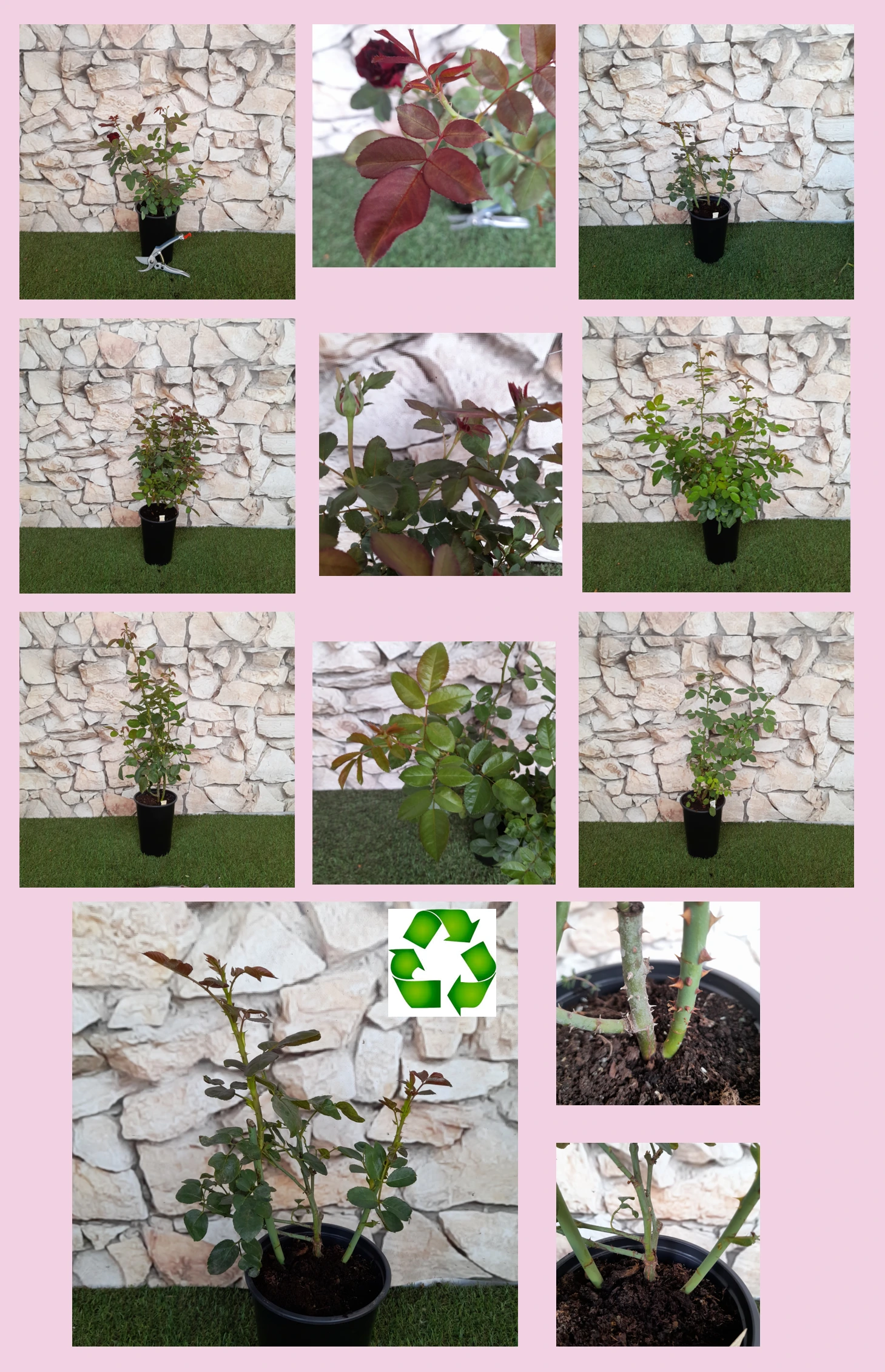
BARPABLE – mauve-lilac dwarf-mini rose - Barni
Let BARPABLE bring a touch of storybook romance to even the smallest corner of your garden: a compact, mini-dwarf shrub that fits beautifully into cottage-style borders and containers while shrugging off typical British weather from blustery days to steady rain. Its cool mauve-lilac blooms open in generous clusters, releasing a surprisingly powerful damask fragrance that feels made for afternoon tea under an arbour, yet on a plant that stays neat, low and easy to live with. As an own-root rose, BARPABLE offers reassuring long-term resilience, quietly rebuilding after any winter knock-back and holding its place in your planting for years. You can rely on steady, repeat flowering from early summer onwards, with self-cleaning blooms helping to reduce routine deadheading. In a 40–50 litre or larger pot it remains elegantly compact, ideal for patios, balconies and front-door displays in busy family homes. Plant once, then watch as it follows the natural rhythm of roots in the first year, shoots in the second and full ornamental abundance by the third, settling effortlessly into your English cottage garden picture.
Usage options
| Target area | Reasoning |
|---|
| Low edging along a cottage-style path |
BARPABLE’s compact, bushy habit creates a neat, low edging that never overwhelms the path yet still offers eye-catching mauve-lilac colour at ankle height. Regular repeat flowering provides a soft, romantic line that works beautifully with informal planting and curved paths in front gardens. Perfect for those who love traditional paths and borders, especially beginners. |
| Small mixed border in a family garden |
Its modest height and tidy spread make it easy to slot into an average-sized mixed border without re-planning the whole layout. Semi-double blooms add colour without casting shade on neighbouring perennials or herbs, and own-root vigour means the plant knits into the border steadily over the years with minimal fuss. Ideal for busy householders seeking relaxed structure, particularly homeowners. |
| Large containers on patios or balconies |
The naturally compact framework is perfectly suited to deep containers of 40–50 litres or more, where roots have enough space to establish and give stable, long-lived performance. Good self-cleaning means fewer spent blooms to tidy on paving, while repeat flowering keeps colour close to seating areas all season. A practical, pretty choice for time-pressed urban gardeners and balcony-owners. |
| Romantic seating area or tea corner |
Strong damask fragrance from multiple flushes fills a small seating space, creating that cosy, afternoon-tea atmosphere without needing large shrubs or climbers. Clustered blooms at eye and nose level in pots or raised beds make the scent easy to enjoy on short breaks outside. Best suited to those seeking fragrance-first planting, such as scent-lovers. |
| Easy-care front garden feature |
Moderate disease resistance and good self-cleaning help keep the plant attractive between occasional maintenance sessions, so a small front garden can look cared-for even when time is short. The plant’s own-root nature supports gradual regeneration after pruning, keeping shape and flowering consistent year after year. A reassuringly low-effort option for busy-owners. |
| Informal mini hedge or border rhythm |
Planted at 25–30 cm intervals, BARPABLE forms a soft, rhythmic mini hedge that defines beds without the severity of clipped box. Clusters of mauve-lilac blooms provide gentle repetition, while the dense, glossy foliage gives structure outside peak flowering. This suits those wanting subtle garden framework, especially family-gardeners. |
| Coastal or wind-exposed gardens |
The low, compact stature and dense foliage help the plant stand firm in exposed spots, where taller roses might rock or break. Well-rooted own-root specimens anchor strongly, coping better with gusty conditions and driving rain common in open or coastal UK gardens, helping maintain a stable, pretty display for coastal-residents. |
| Low-maintenance rose-and-perennial cottage border |
Reliable repeat flowering and self-cleaning clusters weave colour among perennials such as Campanula and obedient plant, reducing the need for constant deadheading. Moderately thorny stems are easily managed at this size, and routine pruning can be light and flexible, suiting gardeners who prefer gentle seasonal tasks over technical cuts, particularly hobby-gardeners. |
Styling ideas
- Cottage-Edged Path – line a curving gravel path with BARPABLE and low Campanula for a mauve-lilac ribbon that stays compact and easy to manage – ideal for relaxed front gardens and time-poor homeowners.
- Tea-Corner Pots – plant one rose per 40–50 litre terracotta pot beside a small bistro set, letting the powerful damask fragrance define an intimate tea spot – perfect for balcony or patio dwellers.
- Mini-Hedge Rhythm – space plants at 25–30 cm to frame a kitchen garden bed, creating a soft aromatic border that repeats colour without growing tall – suited to families wanting gentle structure.
- Mauve-Perennial Mix – combine BARPABLE with obedient plant and dwarf box in a sunny border for glossy foliage and repeat mauve blooms that stay tidy between visits – good for low-maintenance cottage schemes.
- Small-Space Feature – use a trio of plants in a single large container to form a dense, long-lived, own-root mound of colour beside the front door – ideal for beginners seeking maximum effect from minimal space.
Technical cultivar profile
| Parameter | Data |
|---|
| Name and registration |
Miniature, mini-dwarf shrub rose; registered as BARpable, marketed as BARPABLE – mauve-lilac dwarf-mini rose - Barni, with Parbleu as the ARS approved exhibition name. |
| Origin and breeding |
Bred by Beatrice Barni of Rose Barni Srl, Pistoia, Italy; breeding completed 2012, introduced 2013, with parentage not recorded but selected for colour, scent and compact habit. |
| Growth and structural characteristics |
Compact, bushy plant 35–55 cm tall and 30–50 cm wide, moderately thorny, with dense, glossy dark green foliage flushed reddish when young; good self-cleaning habit keeps plants looking neat. |
| Flower morphology |
Semi-double, cupped blooms with 13–25 petals, borne in clusters, extra-large for a miniature rose; remontant with a generous, abundant second flush following the main early-summer flowering. |
| Colour data and phenology |
Mauve-lilac, lavender-purple tones; buds open dark magenta-purple, then soften to cool lavender with silvery veils and pastel edges, retaining colour well before fading gently to pale lavender in age. |
| Fragrance and aroma |
Very strong, garden-filling damask fragrance, especially noticeable in still, warm conditions; scent quality is rich and traditional, contributing significantly to the plant’s ornamental and sensory value. |
| Hip characteristics |
Rose-hip formation is generally minimal; where present, small spherical hips about 5–7 mm across develop, coloured orange-red and decorative but not usually produced in large numbers. |
| Resistance and winter hardiness |
Rated H7, hardy to approximately −21 to −18 °C (USDA 6b, Swedish zone 3); disease resistance is moderate, with average tolerance of black spot, powdery mildew and rust under garden conditions. |
| Horticultural recommendations |
Best in sunny sites; planting distances 25–45 cm depending on use, with 6–7.2 plants/m² for massing; suitable for beds, edging, containers and small cutting, with medium maintenance and occasional protection. |
BARPABLE offers compact habit, powerful damask fragrance and reliable repeat flowering on a long-lived own-root plant that settles gracefully into family gardens and containers, making it a thoughtful choice for those planning enduring cottage borders.