MARJOLAINE – apricot-coloured bedding Floribunda rose – Sauvageot
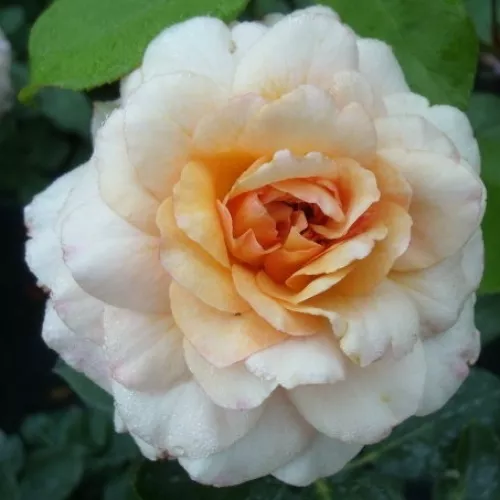
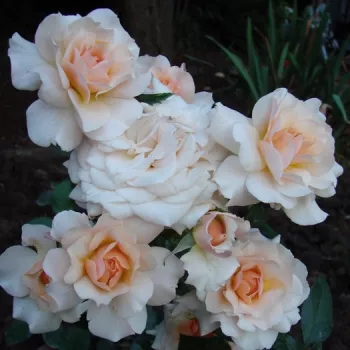
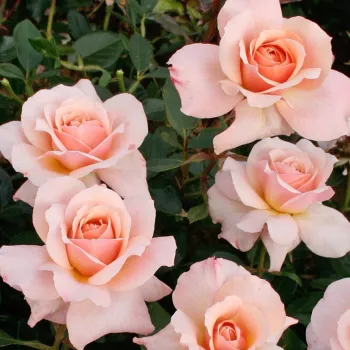
Picture yourself with afternoon tea in hand while Marjolaine fills a low cottage-style border with soft peach and salmon blooms that gently soften to cream, creating a truly romantic, storybook feel. This compact, upright Floribunda is easy to place in small and medium gardens, settling securely even where winds are brisk and soil needs a touch of extra drainage for reliable anchoring. Clustered, very double flowers appear generously in flushes, so your beds and paths stay richly flowered through the season with only light deadheading. As an own-root rose, it offers long-term stability in shape and colour, quietly regenerating after pruning and coping well with everyday family use. In its first years it focuses on roots, then bushy growth, before building up to full ornamental impact across typical English summers. Ideal for relaxed planting around lawns, play areas and kitchen plots, it brings an effortlessly romantic accent without demanding complicated care.
Usage options
| Target area | Reasoning |
|---|
| Front of cottage-style flowerbeds |
The compact, upright habit and 75–105 cm height keep Marjolaine at a comfortable level for front or mid-border use without overwhelming paths or low windows, giving a controlled yet abundant outline for beginners. |
| Romantic mixed borders around seating |
Its very double, cluster-flowered blooms and pastel peach to cream palette provide a soft, elegant backdrop to seating areas, creating that cosy afternoon-tea atmosphere with continuous clusters rather than sparse individual flowers for homeowners. |
| Family flowerbeds in smaller gardens |
Medium maintenance with own-root resilience means it copes well with occasional missed tasks, while dense dark foliage helps the plant look tidy between flushes, suiting busy plots where gardening time is limited for busy-urbanites. |
| Low informal hedging along paths |
The 50–70 cm spread and recommended 35–40 cm spacing allow you to form a softly billowing, low hedge of repeat-flowering apricot blooms that mark out paths or drive edges without hard pruning regimes for family-gardeners. |
| Feature groups in lawn or kitchen garden corners |
Planted in small groups at the suggested density, Marjolaine quickly builds a dense, upright mass of foliage and clustered flowers, offering a strong visual focal point while its own-root longevity supports long-term border planning for planners. |
| Containers and large patio tubs |
The moderate size and upright habit adapt well to larger containers; choose a pot of at least 40–50 litres with good drainage so the root system can develop steadily and anchor the shrub securely against wind for balcony-owners. |
| Coastal or more exposed gardens |
The sturdy, bushy framework and moderate height make it less prone to wind damage, and in raised beds with improved drainage it settles reliably even where conditions are breezy and soils can be challenging for coast-dwellers. |
| Long-term planting schemes and renewal of old beds |
As an own-root rose, it regenerates well from the base after pruning or winter damage, helping maintain a stable, floriferous shape over many years, particularly valuable when refreshing tired borders with dependable structure for romantics. |
Styling ideas
- Cottage-Romance Border – Thread Marjolaine through catmint and soft grasses for a low, clouded edge to lawns and paths – suited to lovers of relaxed English cottage gardens.
- Kitchen-Garden Charm – Use as a flowering accent near herbs and veg beds, echoing its marjoram-inspired name with aromatic companions – ideal for home cooks who enjoy ornamental potagers.
- Soft-Edge Hedge – Plant a loose line along paths, underplanting with low geraniums to soften the base and hide bare soil – good for families wanting gentle structure without formal clipping.
- Patio-Tea Corner – Grow 2–3 plants in large containers around a bistro set, combining with clematis in matching tones for vertical interest – perfect for small-plot owners creating a romantic seating nook.
- Pastel-Focus Group – Cluster three shrubs in a lawn island with white perennials and pale foxgloves to build a calm focal point – recommended for those planning simple yet elegant garden statements.
Technical cultivar profile
| Property | Data |
|---|
| Name and registration |
Floribunda shrub rose, registered as SAUniber, traded as Marjolaine NIRPESPACE SAUniber; bed rose type suitable for exhibition as a shrub rose under the name Marjolaine. |
| Origin and breeding |
Bred by Bernard Sauvageot, NIRP International, France; parentage not recorded. Introduced in 2000 as part of the NIRPESPACE collection and distributed initially by NIRP International. |
| Growth and structural characteristics |
Upright, compact shrub 75–105 cm high and 50–70 cm wide, with dense, glossy dark green foliage and moderate prickliness; forms a balanced, bushy outline suitable for beds and small hedges. |
| Flower morphology |
Very double, high-centred blooms with over 40 petals, XL-sized clustered flowers reminiscent of cut-rose forms; remontant with a generous second flush, some spent blooms requiring light deadheading. |
| Colour data and phenology |
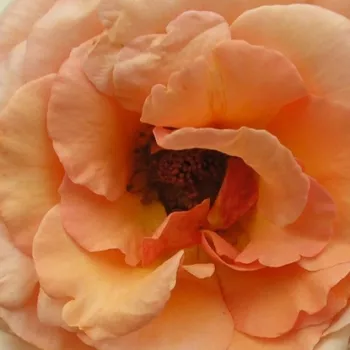
Pastel peach and salmon tones (RHS 24D–24C) opening light salmon-orange, then fading through peach to pale cream, sometimes with pink undertones; colour retention medium, giving softly changing tones over time. |
| Fragrance and aroma |
Mild, restrained scent with a subtle character; primarily grown for visual effect and flower form rather than perfume, making it suitable where overpowering fragrance is not desired around seating areas. |
| Hip characteristics |
Occasional small, ellipsoid red hips, around 6–10 mm in diameter, adding discreet seasonal interest without significantly affecting the plant’s overall flowering performance or ornamental quality. |
| Resistance and winter hardiness |
Medium disease resistance to black spot, mildew and rust; moderate heat and drought performance needing water in dry spells; reliably hardy to approximately –18 to –21 °C (RHS H7, USDA 6b, Swedish zone 3). |
| Horticultural recommendations |
Best in full sun with well-drained soil; plant 35–40 cm apart for hedges or massed beds, 65 cm as a specimen. Maintain with periodic deadheading and routine disease monitoring for balanced, repeat flowering. |
MARJOLAINE offers compact structure, romantic pastel clusters and dependable own-root longevity for relaxed, long-lived borders in family gardens; a thoughtful choice if you favour gentle colour with straightforward care.