MARIE PAVIÉ – off-white flowerbed polyantha rose - Alégatière
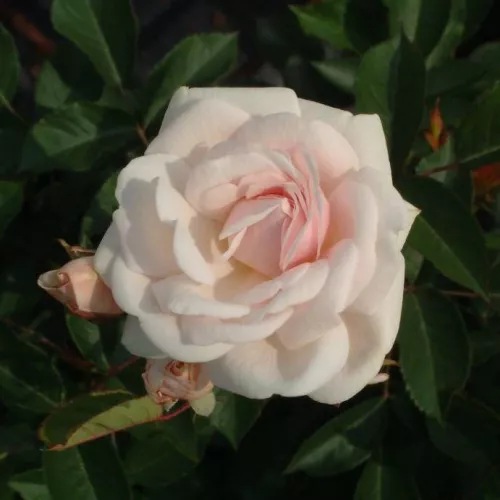
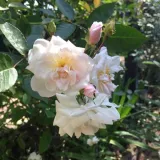
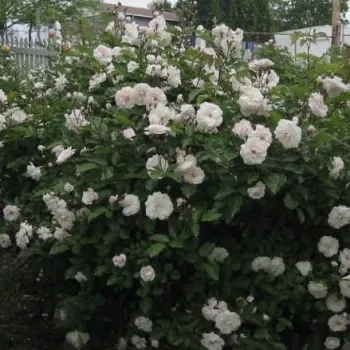
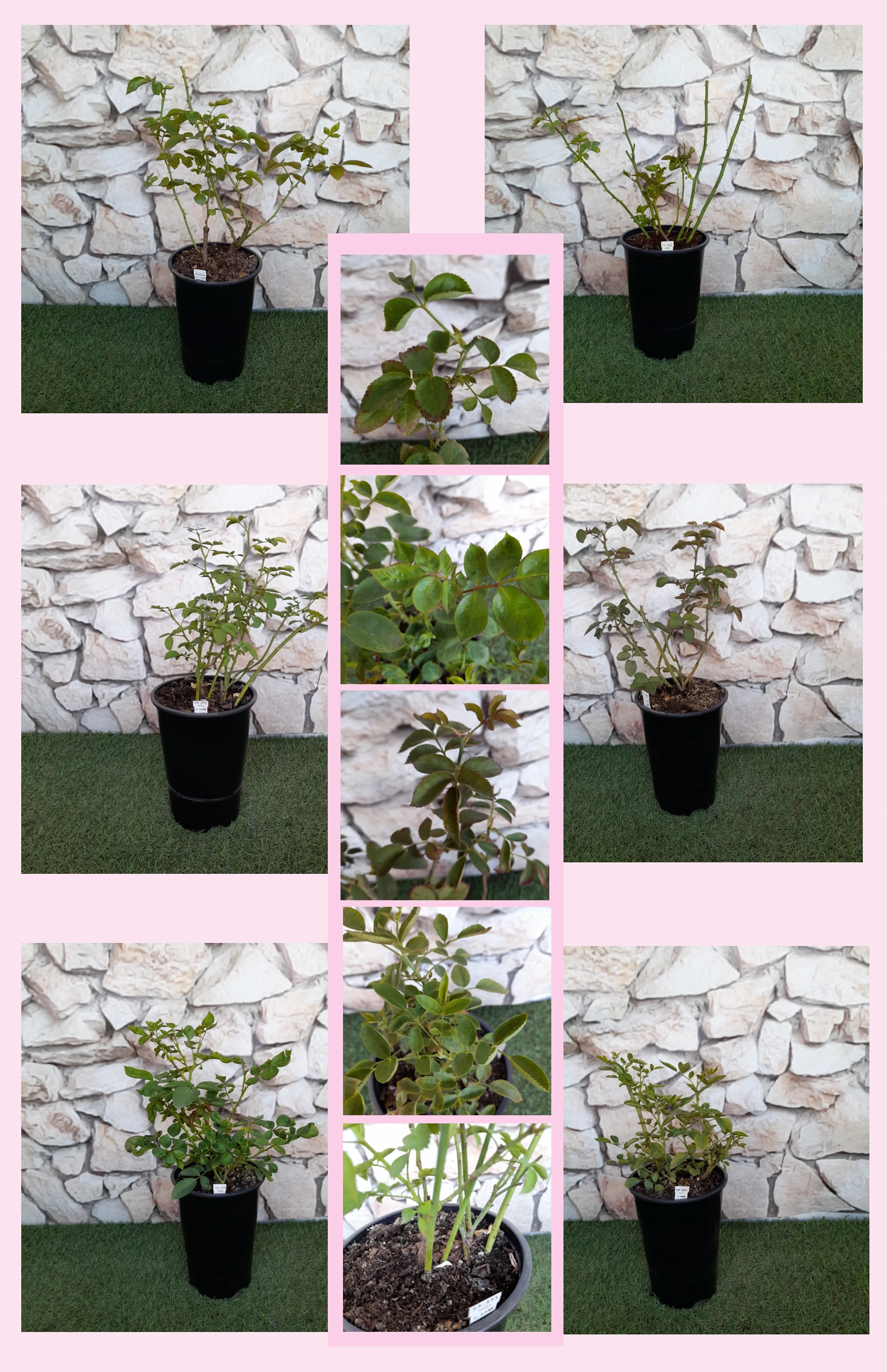
With its compact, bushy habit and masses of dainty off-white clusters, Marie Pavié turns even a small family garden into a corner of romantic cottage charm. This classic 1888 polyantha produces repeat waves of semi-double blooms with a sweet, clearly noticeable fragrance, ideal beside a seating area or path where you can enjoy them close up. Its relatively compact size makes it easy to place in modest borders, along low hedges or in large containers, while its own-root form promises steady regrowth and a reassuringly long life. The plant anchors itself well over time, providing reliable structure even where soil can be exposed to persistent coastal breezes and driving rain. As the years pass the dark green, slightly glossy foliage and softly toned flowers mature into a familiar, storybook presence. Planted as a young, container-grown own-root rose, Marie Pavié devotes its first season mainly to establishing roots, builds fuller shoots and flowering volume in the second, and reaches its characteristic, long-term ornamental picture by about the third year, fitting smoothly into relaxed, everyday gardens.
Usage options
| Target area |
Reasoning |
| Front-of-border cottage edge |
Its bushy, low to medium height and dense foliage create a gentle, structured edging that frames perennials and herbs without overwhelming them. Regular deadheading supports repeat blooming, and own-root growth helps it recover if stems are cut back harder than planned. Suits the cautious beginner gardener |
| Low flowering hedge by seating area |
Planted at closer spacing, Marie Pavié forms a softly rounded, off-white hedge, ideal beside a patio or lawn where the medium, sweet scent can be appreciated. The sparse prickles make routine trimming and path-side maintenance less daunting. A long-lived root system provides stable anchoring and shape over many years. Perfect for families seeking romance outside |
| Small family garden focal point |
Used as a solitary specimen in a lawn pocket or within mixed planting, the continuous clusters of creamy-white blooms give visible impact from a relatively compact footprint. As an own-root plant it gradually builds a balanced framework, supporting dependable flowering even after a hard winter or pruning error. Best for homeowners wanting low-fuss beauty |
| Container on terrace or balcony |
In a 40–50 litre or larger container with good drainage, the tidy, bushy growth and repeat-flowering clusters work well as a romantic accent near doors or seating. Own-root plants cope better with occasional missed watering or light frost damage, reshooting from the base if tops are affected. Ideal for busy urban balcony owners |
| Traditional mixed cottage border |
Marie Pavié blends naturally with phlox, cranesbills and cottage herbs, its soft off-white flowers linking bolder colours. Heat tolerance is good if watering is regular, and its self-cleaning tendency helps keep borders looking cared-for with fewer deadheading sessions. Well suited to those preferring relaxed, traditional plantings |
| Raised bed over heavy clay |
In raised beds or improved clay soil, the compact root system and own-root constitution form a lasting framework that tolerates British winters well. Once established, it withstands typical coastal winds and frequent wet spells without losing structural integrity, supporting a stable, familiar display year after year. Helpful for homeowners on challenging soils |
| Part-shade side garden path |
Its tolerance of partial shade allows planting along side paths or between buildings where sun is limited but you still want flowers and fragrance. The dark green, slightly glossy foliage keeps the area looking green between flushes, and the manageable size avoids crowding narrow routes. Good for time-poor path keepers |
| Family-friendly front garden border |
The rounded, bushy habit and moderate height give neat structure below windows without obscuring light, while sparse prickles are easier around children and pets. Own-root resilience means the plant can rebuild if accidentally damaged. This makes it a calm, reliable choice for families wanting lasting cottage-style charm |
Styling ideas
- PorchWelcome – Plant two Marie Pavié in large 40–50 litre pots by the front door, underplanted with trailing thyme; soft colour, scent and sparse prickles suit households with children – ideal for family-minded buyers
- TeaCorner – Line a small seating area or bench with a low hedge of Marie Pavié, interplanted with lavender for extra fragrance; easy shaping and own-root resilience keep maintenance light – suited to busy professionals
- CottageRibbon – Thread Marie Pavié through a mixed border of cranesbills and phlox to create a pale ribbon of continuity, the compact habit keeping paths clear – attractive for lovers of classic cottage style
- BalconyNook – Use a single plant in a generous container with soft grasses, where repeat flowering and tidy growth provide long-season charm – perfect for small-plot or balcony gardeners
- StorybookPath – Dot plants along a curving garden path, where self-cleaning blooms and modest height form a romantic, manageable edge – recommended for beginners wanting reliable results
Technical cultivar profile
| Parameter |
Data |
| Name and registration |
Marie Pavié is a historic polyantha bedding rose and shrub rose, known commercially as Marie Pavié Bedding rose Alégatière, unregistered but long established in traditional gardens. |
| Origin and breeding |
Bred by Alphonse Alégatière in France and introduced in 1888, with unknown parentage; distributed early on by C. H. Halstead in Australia and now grown widely as a classic polyantha. |
| Growth and structural characteristics |
Compact, bushy shrub reaching around 85–115 cm in height and 50–70 cm spread, with dense, slightly glossy dark green foliage and relatively sparse prickles aiding easier handling. |
| Flower morphology |
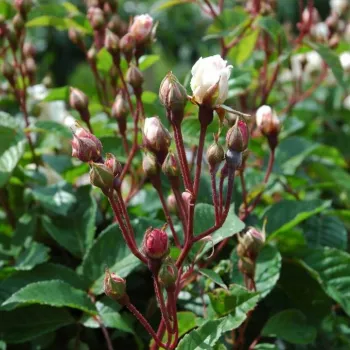
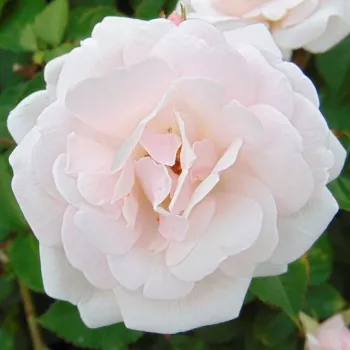
Produces small, cupped, semi-double blooms with around 13–25 petals, carried in clusters; remontant habit ensures the second flush is also abundant, with good natural self-cleaning. |
| Colour data and phenology |
Soft off-white flowers with pale pink tints; buds lightly pink, opening creamy, then fading to icy white. Colour stays clean, gaining a faint pink tone in cool weather and paling in heat. |
| Fragrance and aroma |
Medium-strength, sweet and delicate scent, noticeable at close range around seating or paths; ornamental value is primary, with moderate appeal for those seeking a gentle, nostalgic perfume. |
| Hip characteristics |
Hip set is generally sparse due to semi-double flowers; where formed, small spherical red hips about 6–9 mm across may appear, but they are usually incidental to the display. |
| Resistance and winter hardiness |
Hardy to approximately -32 to -29 °C (H7, USDA 4b), coping well with cold winters; disease resistance is moderate to weak, needing regular care, but structural hardiness remains reliable. |
| Horticultural recommendations |
Best for borders, edging, low hedges, specimens and large containers; plant 45–55 cm apart, give good drainage and regular care, and prune flexibly to maintain a bushy, flowering form. |
Marie Pavié offers compact structure, repeat flowering and a gentle fragrance on a resilient own-root framework, making it a thoughtful choice if you would like enduring, cottage-style charm with manageable care.