MARIA CALLAS® – pink hybrid tea rose – Meilland
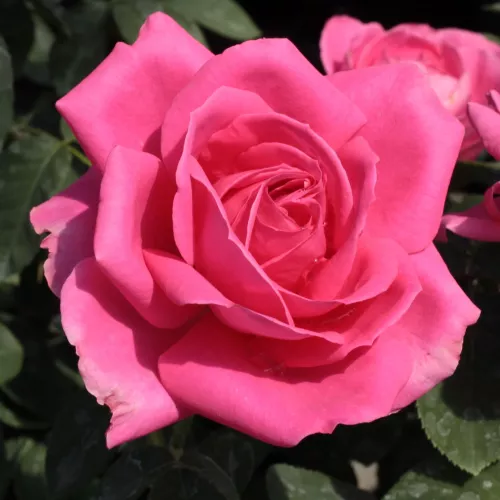
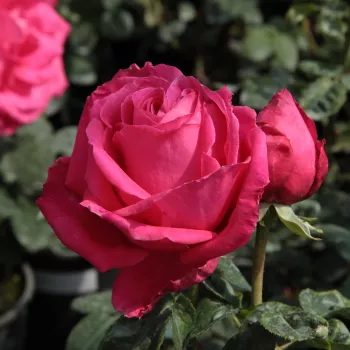
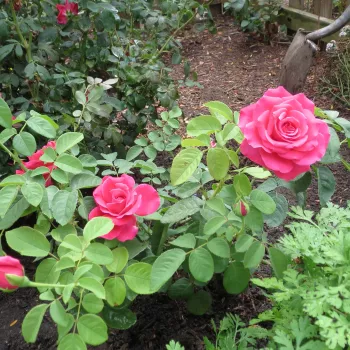
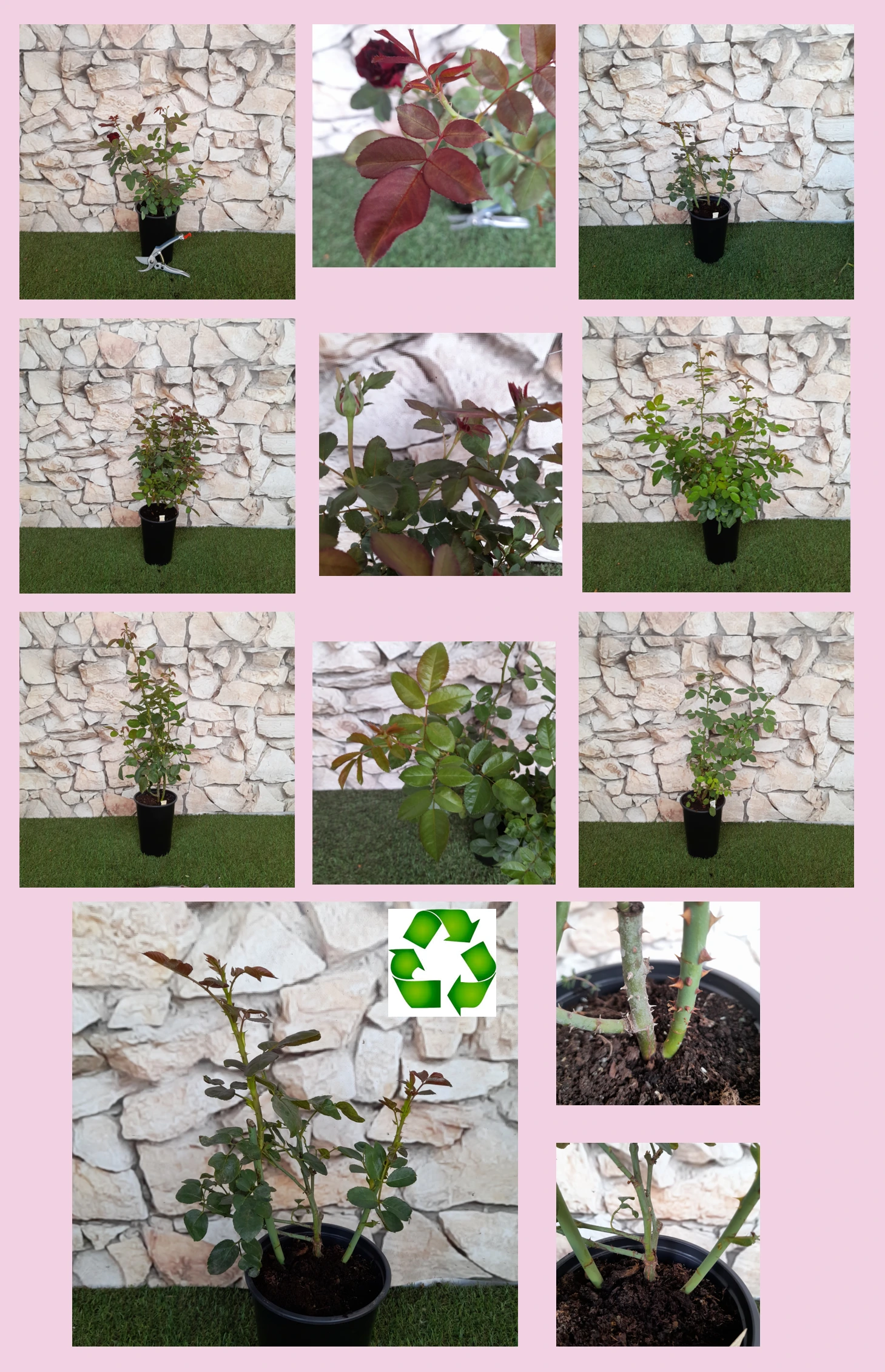
Let MARIA CALLAS® bring a sense of afternoon-tea romance to your family garden, with large, high‑centred blooms in a rich, lasting deep pink that feels instantly feminine against hedging, lawns or a kitchen‑garden border. This upright, elegant bush forms a naturally tidy structure, ideal as a specimen or as a row flanking a path, and its strong, long‑lasting fragrance evokes classic hybrid tea roses cut for the house. Grown on its own roots for a long, dependable lifespan, it can quietly rebuild after hard pruning or weather knocks, helping you enjoy stable ornamental value over many seasons. The pharmaROSA® ORIGINAL 2‑litre container is easy to handle and plant, even in modest gardens, and suits large pots of 40–50 litres for a cottage‑style terrace display in areas where autumn gales and onshore winds test garden borders. In typical conditions you will see a gentle, reassuring development: first the roots settle, then new shoots strengthen, and by the third year the rose reaches its full ornamental impact with abundant repeat flowering.
Usage options
| Target area | Reasoning |
|---|
| Feature rose for classic cottage borders |
The tall, upright habit and dense, glossy foliage give a strong vertical accent, while the large, high‑centred blooms read clearly from a distance. This makes MARIA CALLAS® a natural focal point along mixed cottage borders with perennials and herbs for romantic gardeners. |
| Cutting garden and home bouquets |
Bred as an exhibition hybrid tea, it produces long, straight stems with solitary, very full blooms that hold well in the vase. The strong, long‑lasting scent and deep pink colour deliver reliable, luxurious cut flowers for home florists. |
| Own-root investment planting for long-term structure |
As an own‑root rose, MARIA CALLAS® can regenerate from the base after hard pruning or winter damage, without issues of suckering from a rootstock. Over time this supports a stable, well‑shaped bush for forward‑planning owners. |
| Specimen rose in lawn or front garden |
The combination of height, upright form and glossy dark green foliage allows a single plant to stand confidently in a small lawn or near a front entrance, giving formal presence without complex maintenance for busy householders. |
| Hedging rows along paths and driveways |
Recommended spacings make it suitable for low rose hedges, where the dense foliage knits together into a coherent line. The repeat flowering and strong colour give definition to driveways and paths for traditional-style families. |
| Containers and large patio planters |
In a 40–50 litre or larger container, its upright habit and repeat flowering create a vertical accent on patios or terraces. The own‑root system helps it cope with periodic repotting and long‑term container culture for courtyard gardeners. |
| Coastal and wind-exposed family plots |
Once established, the strong framework and dense foliage help it anchor visually and physically in exposed gardens where blustery, salt‑tinged air and frequent winds can challenge less robust ornamentals for coastal homeowners. |
| Massed planting in mixed rose beds |
Planted at the suggested densities, MARIA CALLAS® gives an even, repeating pattern of rich deep pink blooms. This consistency, backed by its exhibition pedigree, supports cohesive displays in family rose beds for colour-focused beginners. |
Styling ideas
- Tea-rose elegance – Underplant MARIA CALLAS® with lavender and lamb’s ear for a soft, silvery skirt that frames the tall pink blooms – ideal for lovers of classic afternoon-tea borders.
- Kitchen-border charm – Place a specimen near a herb and vegetable strip, then weave in chives and sage to echo the pink tones and create a romantic, productive edge – suited to cottage‑style kitchen gardeners.
- Arbour entrance – Use two or three plants as upright sentinels at the mouth of a pergola or arbour, flanked by catmint and bee balm for colour continuity – perfect for families creating a storybook garden walk.
- Front-garden welcome – Anchor a small front lawn with a single bush encircled by low box or thyme, allowing the deep pink flowers to read as a refined focal point – for homeowners seeking smart kerb appeal.
- Patio centrepiece – Grow one plant in a large terracotta pot, then group with containers of eupatorium and ornamental grasses for height layering – ideal for balcony and terrace gardeners wanting impact in limited space.
Technical cultivar profile
| Parameter | Data |
|---|
| Name and registration |
Hybrid tea rose, registered as MEIdaud, marketed as Maria Callas® and Miss All-American Beauty; a pink exhibition-type hybrid tea for garden and cutting use. |
| Origin and breeding |
Bred by Marie-Louise Meilland at Meilland International, France, from ‘Chrysler Imperial’ × ‘Karl Herbst’; introduced and registered in 1965 by Meilland. |
| Awards and recognition |
Recognised with the Portland Gold Medal in 1966 and selected as an All-America Rose Selections winner in 1968, confirming long-standing ornamental and garden value. |
| Growth and structural characteristics |
Strong, upright bush 130–170 cm tall and 70–95 cm wide, with dense, dark green, glossy foliage and numerous prickles; forms a vertical, well-filled structural presence in beds. |
| Flower morphology |
Very full, high-centred, pointed-budded blooms with 40+ petals, solitary on stems, large-flowered (about 7–10 cm), remontant with particularly abundant second flush flowering. |
| Colour data and phenology |
Deep Indian-pink flowers (RHS 57B–57C) holding colour well; outer petals may refine to softer pastel tones in strong sun, with slight scorching in extreme exposure. |
| Fragrance and aroma |
Strong, long-lasting fragrance of classic hybrid tea character; highly noticeable on still, warm days and well suited for cut stems brought indoors for scent. |
| Hip characteristics |
Hip set is generally sparse due to very double blooms; when present, produces small, egg-shaped orange-red hips around 10–14 mm in diameter later in the season. |
| Resistance and winter hardiness |
Hardy to around −15 to −12 °C (RHS H6), with moderate resistance to black spot, powdery mildew and rust; benefits from regular care and consistent watering in dry spells. |
| Horticultural recommendations |
Best in full sun with fertile, well-drained soil; plant 50–55 cm apart in rows, 90 cm for solitary use, at 3.2–3.7 plants/m² in mass plantings for balanced displays. |
Maria Callas® offers exhibition-quality deep pink blooms, strong fragrance and an upright, long-lived own-root shrub that builds structure in borders and containers; consider it if you want a reliable highlight for a traditional family garden.