HEILIGE BILHILDIS – red bedding floribunda rose – Márk
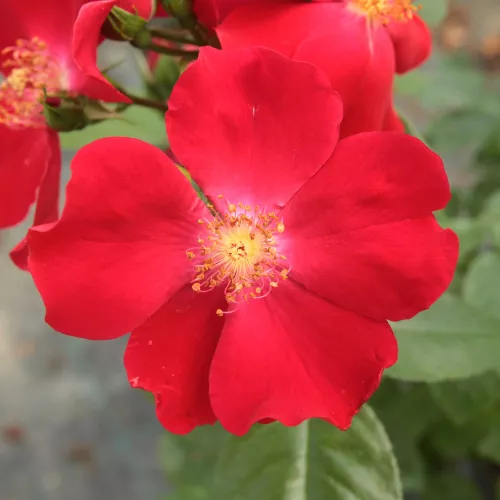
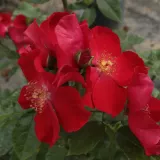
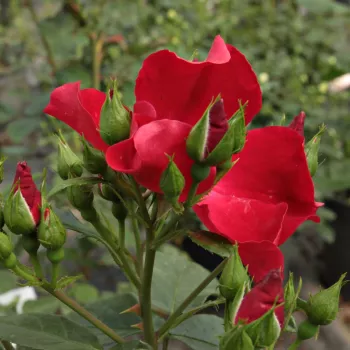
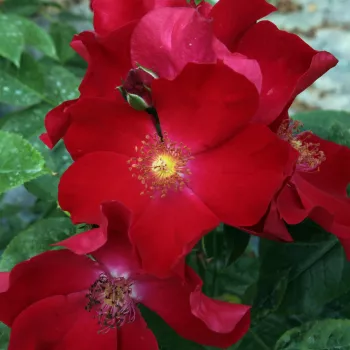
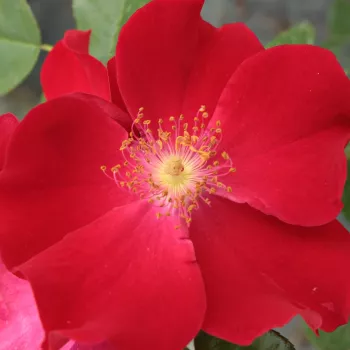
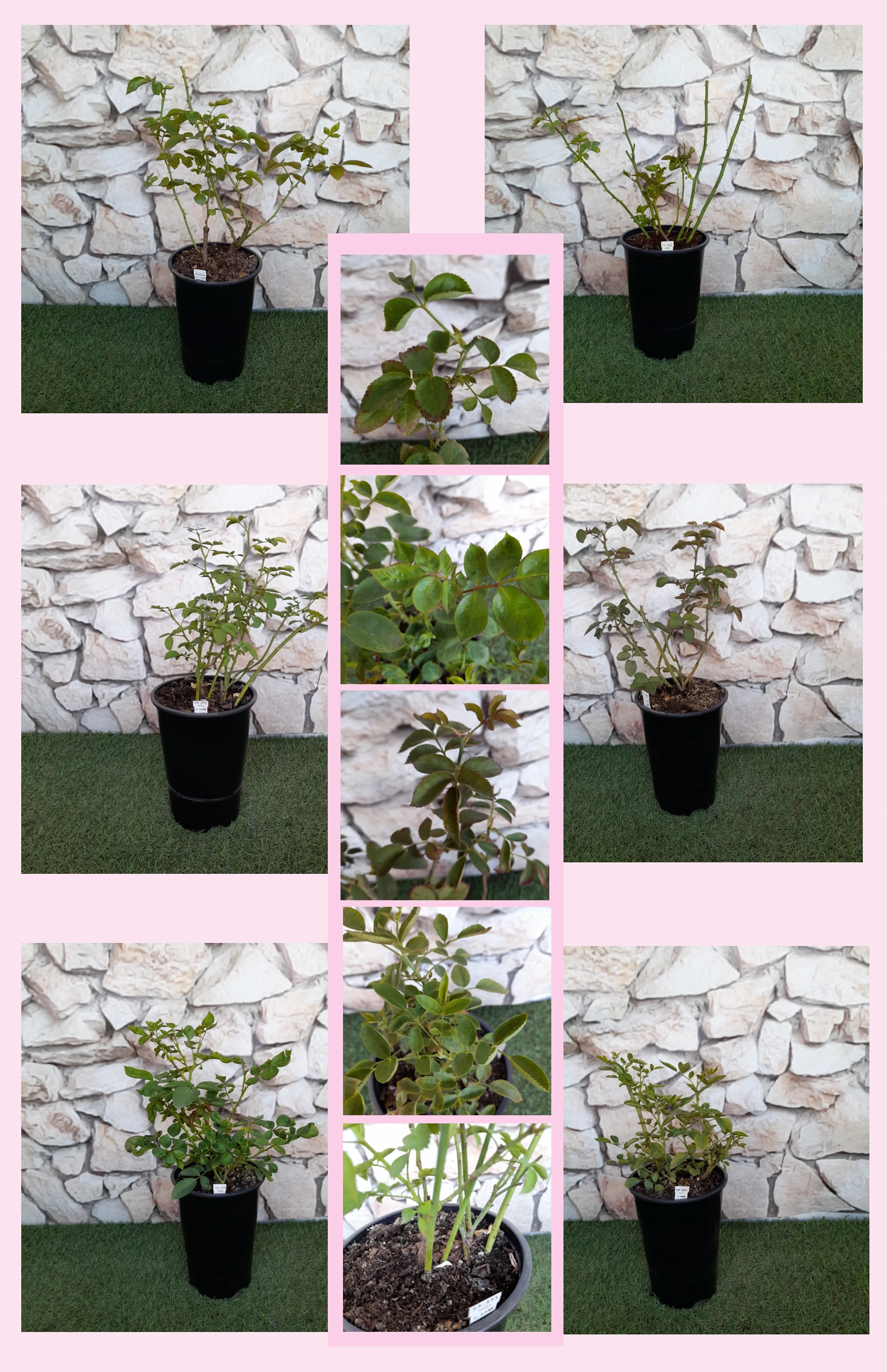
With its vivid scarlet flowers and relaxed, bushy growth, HEILIGE BILHILDIS brings a touch of storybook romance to everyday gardens, creating a welcoming backdrop for afternoon tea beside a cottage-style arbour. This floribunda shrub produces clusters of medium-sized, single blooms whose golden stamens draw in bees, adding gentle movement and colour throughout the season, while its good repeat flowering keeps borders lively from early summer onwards. Thanks to its neat height and 60–90 cm spread, it fits comfortably into typical family plots, coping reliably even where strong winds and rain from exposed coasts can ruffle less robust plants. The own-root form means the plant matures steadily, with roots establishing first, then stronger top growth, until a full display develops over the next few years, supporting a long-lived, easy-care structure in smaller spaces. Lightly glossy mid-green foliage and self-cleaning flowers reduce day-to-day maintenance, so you can focus on enjoying the view rather than constant deadheading. HEILIGE BILHILDIS is equally at home in traditional mixed beds, informal hedging, or large tubs above 40–50 litres on a sunny terrace, offering dependable performance, subtle spicy fragrance, inviting cosiness and relaxed cottage-garden charm with minimal effort.
Usage options
| Target area | Reasoning |
|---|
| Front-of-border bedding in a family garden |
The compact, bushy habit and 80–110 cm height suit front and mid-border positions where children and adults alike can enjoy the vivid scarlet flowers at eye level and close up. The own-root plant settles in once and then repays you with steady structure and long service life, ideal for time-pressed beginners. |
| Cottage-style rose and perennial mix |
Single, bee-friendly blooms in a bright scarlet tone combine beautifully with softer cottage companions such as catmint or larkspur, giving a “girly” kitchen-garden feel without complex care routines. Repeating flushes of flowers keep the border looking busy and romantic across the summer, rewarding lovers of traditional cottage. |
| Low informal flowering hedge along paths |
Planted at 50–60 cm intervals, HEILIGE BILHILDIS forms a low, colourful hedge that guides visitors through the garden, its dense foliage and moderate prickliness giving a gentle barrier without appearing severe. Own-root resilience helps it recover well from pruning, making shaping easier for busy homeowners. |
| Large containers on patios or terraces |
In a 40–50 litre or larger container, this floribunda provides generous colour in limited space, ideal for small urban gardens and paved yards. The self-cleaning single blooms mean less bending for deadheading, while the stable own-root framework remains attractive year after year, appealing to time-poor city-dwellers. |
| Mixed planting in heavy or challenging soils |
Once established, the tough root system of this own-root rose offers good anchoring, helping it cope with heavier ground when planted into improved soil or raised beds. Steady heat and moderate drought tolerance give confidence where summers dry out between showers, reassuring cautious gardeners. |
| Pollinator-friendly family play areas |
The open single flowers with clearly exposed stamens are highly attractive to bees, adding ecological interest near lawns and play spaces. Children can easily see visiting insects, while the plant flowers repeatedly without elaborate pruning, suiting nature-loving families. |
| Low-maintenance mass planting in front gardens |
Good repeat blooming and self-cleaning flowers reduce the demand for constant deadheading, so beds stay smart with only occasional maintenance. Colour retention is strong, so the scarlet display remains vivid between visits, offering reliable kerb appeal for busy working owners. |
| Long-term structure in traditional rose beds |
As an own-root floribunda, HEILIGE BILHILDIS builds durability over time, growing from secure roots into stronger top growth, before reaching full decorative impact that anchors a classic rose bed. This resilience sits comfortably in coastal gardens that often face blustery, rain-laden weather, reassuring long-term planners. |
Styling ideas
- Cottage Edge – Line the front of a mixed border with HEILIGE BILHILDIS and soft catmint mounds for a relaxed, low hedge of scarlet and blue – ideal for romantic traditionalists.
- Kitchen Walk – Flank a path to the vegetable garden with alternating roses and small herbs, using the repeat blooms to link ornamental and productive areas – perfect for rural kitchen-garden keepers.
- Patio Focus – Plant one or three roses in 50–60 litre terracotta tubs with airy larkspur for vertical accent, forming a colourful backdrop to outdoor seating – suited to terrace entertainers.
- Family Border – Combine with groundcover honeysuckle and sturdy perennials for an easy-care, bee-friendly strip beside lawns where children play – great for busy young families.
- Front-Garden Ribbon – Create a flowing band of scarlet along the drive with repeating clumps at 60 cm spacing for strong kerbside colour – appealing to house-proud homeowners.
Technical cultivar profile
| Parameter | Data |
|---|
| Name and registration |
HEILIGE BILHILDIS is a bedding floribunda shrub rose from the Márk collection, marketed for garden use; registered cultivar name not specified, sold under this trade name in Europe. |
| Origin and breeding |
Bred by Hungarian rosarian Márk Gergely around 2000, with parentage not recorded; introduced to the market by PharmaRosa Ltd., supporting reliable garden performance rather than exhibition showing. |
| Growth and structural characteristics |
Bushy shrub rose reaching about 80–110 cm high and 60–90 cm wide, with dense, slightly glossy mid-green foliage and moderate prickles, forming a compact, rounded structure suitable for bedding and hedging. |
| Flower morphology |
Clusters of single, flat blooms with 5–12 petals, medium sized at roughly 4–7 cm across, opening freely and tending to self-clean as petals fall, encouraging a tidy appearance between flowering flushes. |
| Colour data and phenology |
Vivid scarlet red (RHS 46A) from bud to full open flower, with very slight edge darkening and minimal fading; bright yellow stamens provide strong contrast, and repeat flowering is generous through the season. |
| Fragrance and aroma |
Displays a very light, delicately spicy scent that is generally unobtrusive in the garden, offering a gentle background note rather than a dominant perfume, suitable near windows or seating areas. |
| Hip characteristics |
Produces small, globose hips about 6–10 mm in diameter, bright red and decorative in autumn; quantities are moderate, adding seasonal interest without overwhelming the plant or requiring extra management. |
| Resistance and winter hardiness |
Hardy to approximately −26 to −23 °C (RHS H7, USDA 5b, Swedish Zone 4); tolerates summer heat and moderate drought, with moderate resistance to common fungal diseases under typical garden conditions. |
| Horticultural recommendations |
Best in full sun with 50–90 cm spacing depending on use; suitable for beds, parks, and standards, needing only moderate maintenance and occasional disease checks for dependable garden performance. |
HEILIGE BILHILDIS offers vivid repeat flowering, bee-friendly single blooms and durable, long-lived own-root growth, making it a thoughtful choice for gardeners seeking reliable colour with straightforward care.