MAMY BLUE™ – violet-purple hybrid tea rose – Delbard
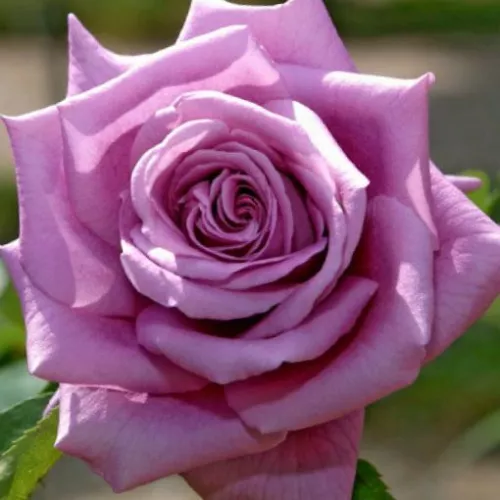
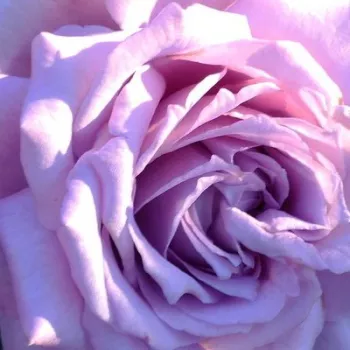
With its velvety purple-lilac blooms and deeply sweet, violet-honey fragrance, Mamy Blue™ brings a sense of romance and afternoon-tea charm to even an average-sized family garden. This hybrid tea forms a neat, upright structure ideal for a focal point by a seating area or garden path, where a handful of long-stemmed flowers can be cut for indoor vases without spoiling the overall display. The premium own-root plant establishes steadily, promising reliable longevity and the ability to regenerate from its own wood after harder winters, so the bush keeps its ornamental balance year after year. In coastal or wind-exposed plots it remains reassuringly anchored, while regular summer deadheading encourages repeat flowering and helps maintain healthy, glossy foliage. Within three seasons you will see it progress from rooting in, to building strong shoots, to delivering its full storybook impact of richly coloured, perfumed blooms.
Usage options
| Target area |
Reasoning |
| Feature rose by a seating area or patio |
Planted near a bench or terrace, Mamy Blue™ becomes a compact, upright focal point whose long, elegant stems carry large, high‑centred blooms at nose height. The very strong, garden‑filling perfume is most appreciated where you sit and linger, creating a cosy, afternoon‑tea ambience without needing a large planting scheme – perfect for the scent‑loving homeowner. |
| Romantic cottage-style border |
Its deep purple‑lilac flowers with a soft bluish veil give classic cottage borders a richer, more unusual colour note among pinks, creams and blues. The bushy habit fits easily between perennials and low shrubs, and repeat flowering through the season means there is always a dash of storybook charm above lower planting – ideal for the romantic cottage‑garden enthusiast. |
| Cut-flower corner in a family garden |
Originally bred as an exhibition hybrid tea, this variety produces long, straight stems with solitary, high‑centred blooms that look superb in vases. Planting a small group allows regular cutting for the house while the shrubs continue to set new buds, giving dependable, florist‑style stems from a modest patch – appealing to the casual but style‑conscious flower‑arranging gardener. |
| Own-root specimen for long-term planting |
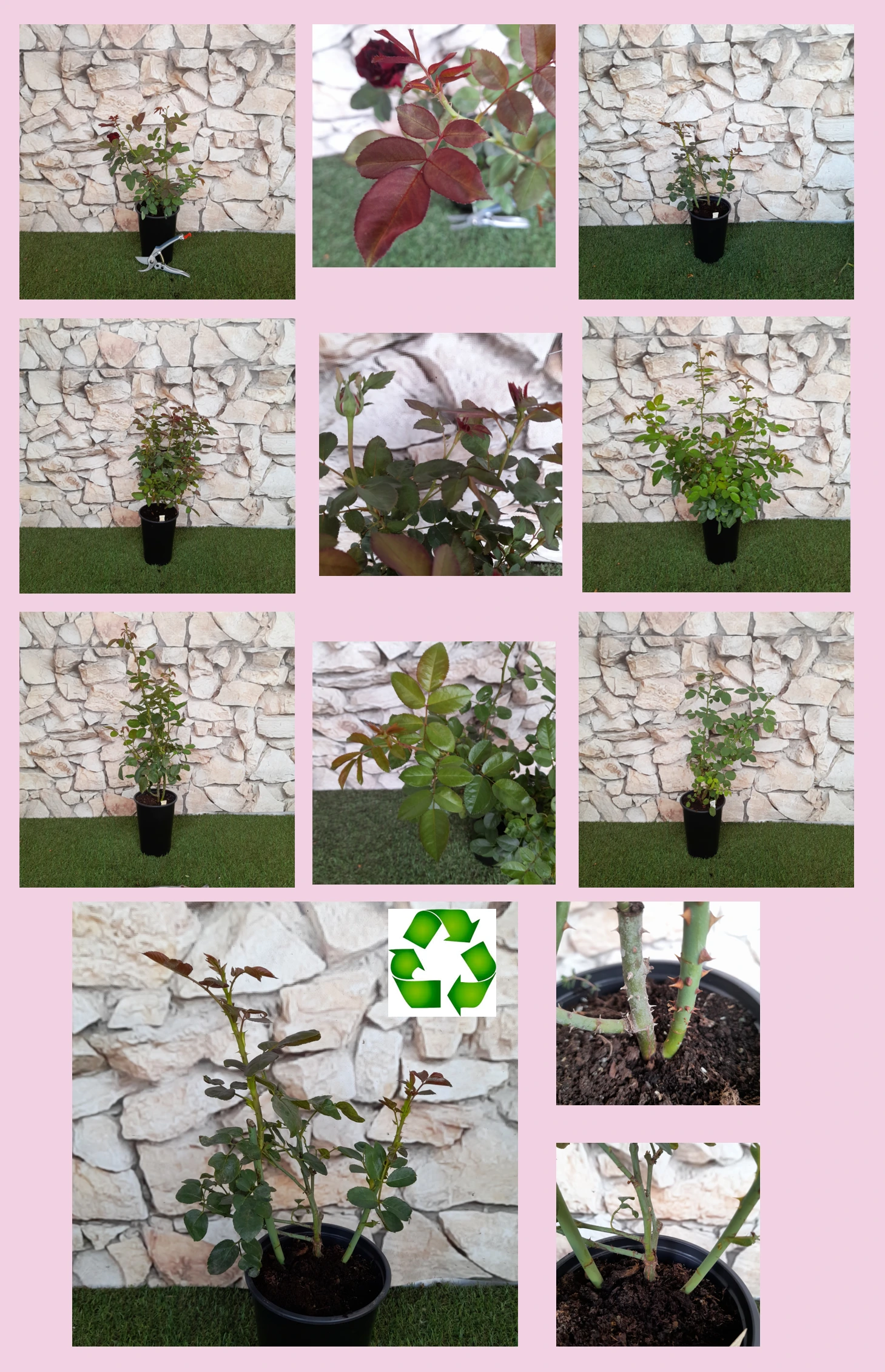
Supplied on its own roots, Mamy Blue™ develops into a stable, self‑renewing shrub with no risk of rootstock shoots or variety loss over time. If winter damage ever occurs, it can regrow true to type from below soil level, supporting a long planting life and consistent appearance – reassuring for the long‑term‑planning garden owner. |
| Small front garden or narrow bed |
With a mature height of about 75–105 cm and a spread of 50–70 cm, the plant offers clear vertical presence without overwhelming limited space. Its upright silhouette, moderately dense foliage and vivid blooms read well from the pavement, giving a welcoming, traditional look even in smaller front gardens – suited to the space‑aware urban resident. |
| Roses under an arbour or beside an arch |
Positioned near an arbour or along the line of a simple metal arch, this variety contributes intense fragrance and rich colour at eye level while remaining easy to reach for deadheading and care. The structured habit forms a tidy underplanting that frames the entrance to a seating nook and enhances that cosy, storybook mood – attractive to the afternoon‑tea‑loving garden planner. |
| Raised beds or improved clay borders |
In British gardens with heavier soils, this shrub responds well to planting in raised beds or well‑drained borders, where its root system can anchor firmly while avoiding waterlogging. In such positions it forms a robust, upright bush that copes reliably with blustery conditions and typical mixed weather – convenient for the busy but quality‑conscious garden keeper. |
| Large containers on terrace or balcony |
When given a generous container of at least 40–50 litres with quality compost, Mamy Blue™ forms a well‑rooted, upright plant that flowers repeatedly at close quarters, perfect for balconies or patios. Regular watering and feeding reward you with richly perfumed, velvety blooms at arm’s reach – an excellent choice for the low‑maintenance‑minded container‑garden beginner. |
Styling ideas
- Tea‑table elegance – Position Mamy Blue™ beside a small bistro set, adding lavender and white campanulas around its base for a soft, traditional afternoon‑tea feel – ideal for scent‑focused romantics.
- Cottage ribbon – Thread a short row along a path with pink foxgloves and white dianthus, using its upright habit as a repeating accent – perfect for lovers of classic cottage borders.
- Cutting corner – Group three plants in a sunny square with astrantia and airy grasses, so you can cut long‑stemmed blooms while the bed still looks full – suited to home florists.
- Porch welcome – Grow one plant in a 50‑litre tub by the front door, underplanted with trailing ivy and pale violas to contrast with the purple flowers – appealing to style‑conscious doorstep decorators.
- Arbour vignette – Flank a wooden arbour with Mamy Blue™ and a soft pink Clematis montana, creating a cosy, storybook nook framed by colour and perfume – ideal for evening readers in the garden.
Technical cultivar profile
| Parameter |
Data |
| Name and registration |
Hybrid tea rose, registered as DELblue, marketed as Mamy Blue™ in the Grands Parfums collection; ARS exhibition name Mamy Blue, premium own‑root container form for gardens. |
| Origin and breeding |
Bred by Georges Delbard, France, from complex hybrid tea parentage including Holstein, Bayadère, Prélude and Saint‑Exupéry; bred 1983, registered 1984, introduced to commerce in 1991. |
| Awards and recognition |
Recipient of a fragrance award in New Zealand in 1997, recognising the variety’s particularly intense, garden‑filling perfume in comparative trials, especially when grown under warm, sunny conditions. |
| Growth and structural characteristics |
Upright, bushy shrub reaching around 75–105 cm high and 50–70 cm wide, with moderately dense, dark glossy foliage and moderate prickles; best effect as specimen, group or low hedge. |
| Flower morphology |
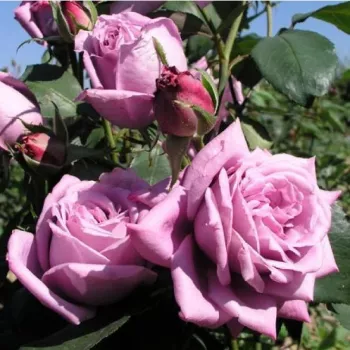
Large, double, high‑centred hybrid tea flowers with 26–39 petals on mainly solitary stems; repeat flowering with an abundant second flush in summer; weak self‑cleaning so deadheading is recommended. |
| Colour data and phenology |
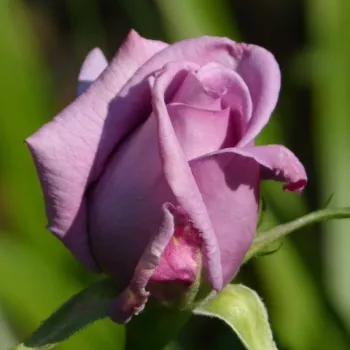
Rich purple‑lilac blooms with bluish‑violet iridescence; buds dark purplish‑red, later cycling from vivid magenta‑violet to deep crimson‑purple, then fading toward lilac‑mauve with a silvery, bluish shimmer in strong sun. |
| Fragrance and aroma |
Very strong, garden‑filling perfume with a deeply sweet, violet‑honey character; best appreciated near paths or seating, and particularly notable on warm, still evenings when the scent lingers in the air. |
| Hip characteristics |
Rose‑hip set is generally low; when present, produces small, spherical orange‑red hips about 10–14 mm across, which add a discreet seasonal interest without significantly affecting flowering performance. |
| Resistance and winter hardiness |
Hardy to around −23 to −21 °C (RHS H7, Swedish zone 3, USDA 6a); moderate heat tolerance but dislikes prolonged drought; needs regular fungicidal protection against mildew, black spot and especially rust. |
| Horticultural recommendations |
Suited to sunny beds, low hedges and cutting patches; allow 50–90 cm spacing; enrich soil and ensure drainage; water consistently, deadhead and protect foliage routinely for best display in home gardens. |
Mamy Blue™ offers richly scented purple blooms, elegant cut‑flower stems and a stable own‑root habit for long‑term planting in family gardens, making it a cultured choice if you seek lasting romance from a single rose.