Madame Hardy – white historic centifolia Damask rose
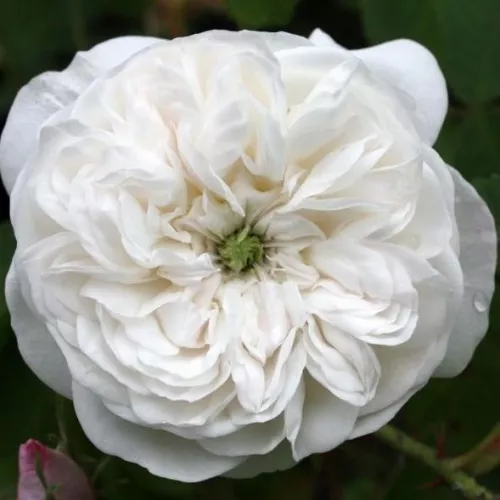
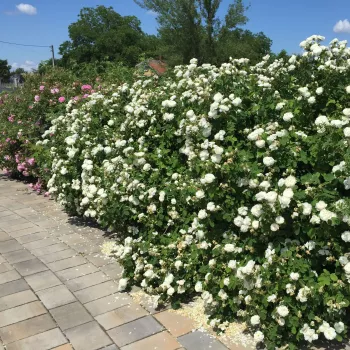
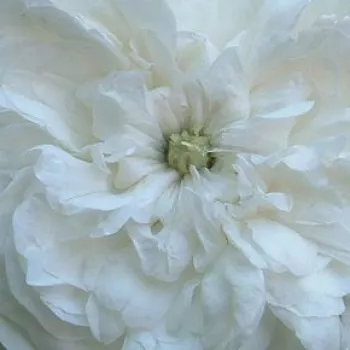
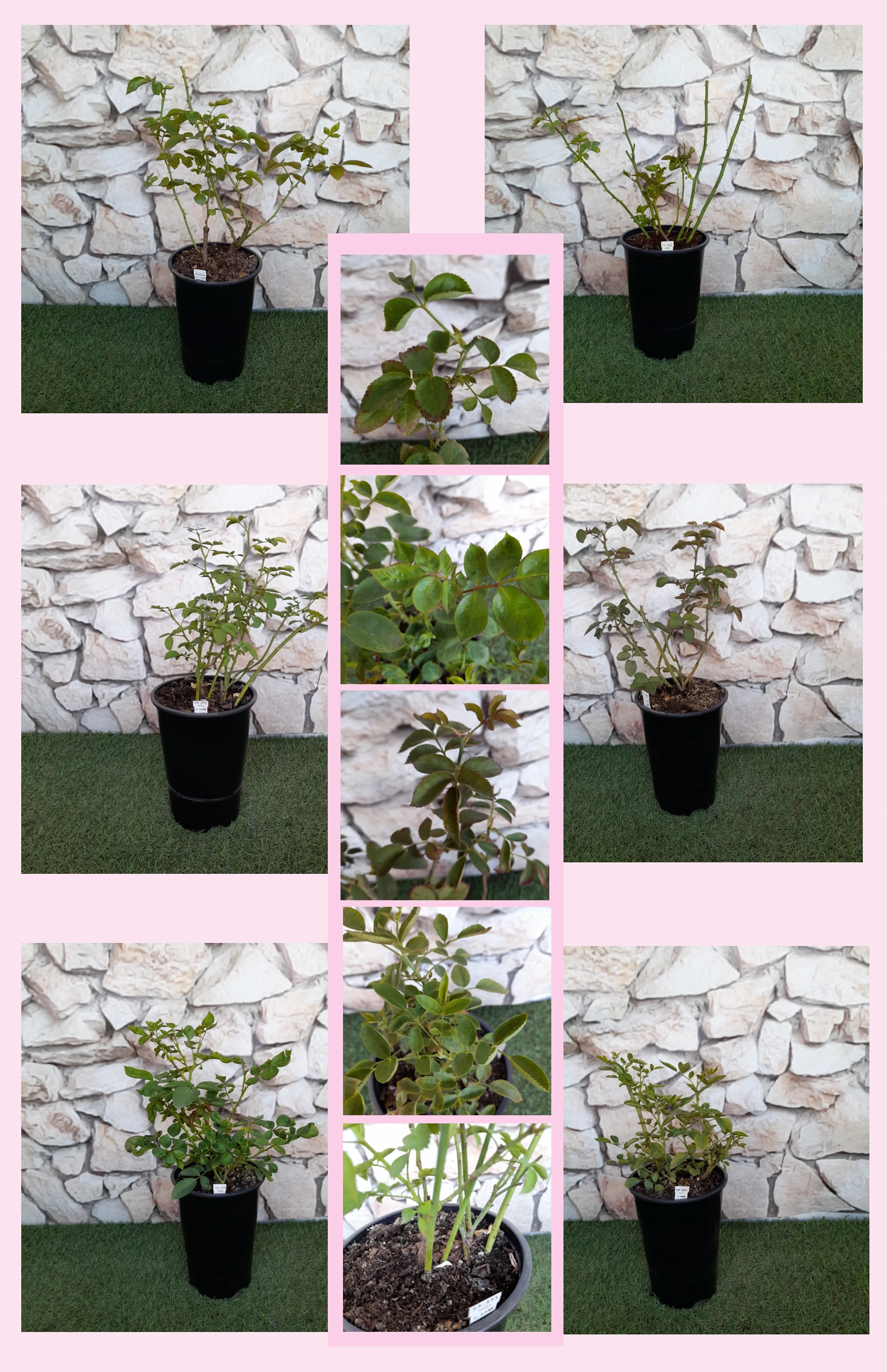
This classic Damask shrub brings a sense of period romance to an everyday family garden, rewarding you with a single, enchanting flush of pure white rosette blooms and a very strong, garden-filling Damask fragrance. Its vigorous, upright, bushy growth creates a natural green screen for afternoon tea corners, and its reliable disease resistance suits busy households who want traditional charm without constant spraying. Thriving even in the bright, exposed corners where brisk winds and rain sweep through coastal gardens, it copes well when given reasonable soil and moisture. Tolerant of partial shade, it slots easily into cottage borders near hedges or orchard trees, where its once-a-year display becomes a cherished seasonal ritual. Supplied as a 2‑litre own‑root plant, it settles steadily, with roots first, then strong new shoots, and by the third year you enjoy its full ornamental presence and long-term garden structure.
Usage options
| Target area |
Reasoning |
| Cottage-style feature rose near a seating area |
Plant Madame Hardy as a focal shrub beside a terrace, arbour or small lawn bench to enjoy its once-a-season profusion of white, rosette blooms and powerful Damask scent at close quarters, ideal for romantic-traditional homeowners. |
| Low-maintenance, traditional flowerbed in a family garden |
Use it in mixed borders where its good disease resistance and low maintenance needs limit the work to simple pruning and occasional deadheading, suiting busy casual gardeners. |
| Seasonal hedge or backdrop in classic designs |
Planted at hedge spacing, its tall, bushy, densely foliated growth creates a leafy green wall and a cloud of white bloom in early summer, providing privacy and old-world character for family garden planners. |
| Partially shaded border beside hedging or trees |
Its tolerance of partial shade means it copes well where neighbouring hedges or small trees cast light shade for part of the day, fitting the realities of many suburban plots for owners of established gardens. |
| Own-root rose for long-term garden structure |
As an own-root shrub, it regenerates reliably from its base, helping maintain shape and flowering even after harder pruning over the years, giving confidence to long-horizon garden planners. |
| Coastal or wind-exposed sites with reliable anchoring |
Once established, its deep, woody framework and strong root system anchor it well in exposed positions where brisk winds and rain regularly pass through, reassuring coastal cottage gardeners. |
| Large container or courtyard planting |
Grow it in a very large container of at least 40–50 litres with good drainage to enjoy historic charm and fragrance on a patio or small paved courtyard, attractive for urban space-conscious owners. |
| Planned seasonal highlight within a three-year development |
Suited to patient gardeners, it establishes roots strongly in year one, builds vigorous shoots in year two, and gives its full, storybook display by year three, pleasing thoughtful rose enthusiasts. |
Styling ideas
- Cottage-arch gateway – Train Madame Hardy loosely around a simple timber arch, underplant with foxgloves and lady’s mantle for a storybook entrance – for lovers of nostalgic English cottage gardens
- White-and-green calm – Combine with hostas and ferns in light shade to create a cool, calm corner where scent takes centre stage – for homeowners seeking a peaceful tea spot
- Romantic hedge line – Plant as a loose flowering hedge backed by yew or privet, with lavender at the front edge – for families wanting privacy with traditional character
- Patio statement pot – Grow one plant in a 50‑litre terracotta container with trailing thyme and soft pink pelargoniums – for urban gardeners with only a courtyard or terrace
- Heritage rose walk – Space several shrubs along a garden path with clematis weaving through and a smoke-bush at the end – for collectors building a classic historic rose collection
Technical cultivar profile
| Parameter |
Data |
| Name and registration |
Madame Hardy, historic Damask centifolia shrub rose; historic shrub rose category, strongly scented bedding and exhibition type; traditional unregistered cultivar used under established trade name. |
| Origin and breeding |
Selected in France around 1831 by Julien-Alexandre Hardy, probably as a Damask seedling; introduced 1832 via Jardin du Luxembourg, Paris, and distributed by Hardy as a notable historic garden rose. |
| Awards and recognition |
Inducted into the World Federation of Rose Societies Old Rose Hall of Fame in 2006, confirming its enduring international reputation and long-term value in traditional and historic rose gardens. |
| Growth and structural characteristics |
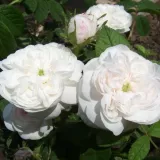
Forms a dense, upright, bushy shrub about 160–260 cm high and 150–250 cm wide with matt mid-green foliage and many prickles, developing a solid woody framework over time for structural planting. |
| Flower morphology |
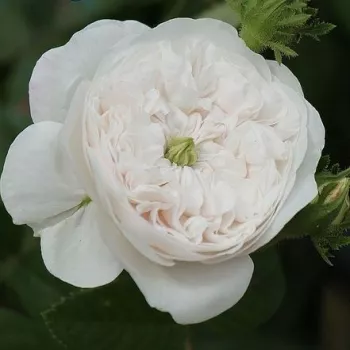
Medium-sized, very full, rosette-shaped blooms with 40+ petals carried in corymbs; non-remontant once-flowering habit, offering one concentrated, highly ornamental main flush per season in early summer. |
| Colour data and phenology |
White flowers (ARS W, RHS 155C–155D) with subtle greenish centre; buds cream-white; colour holds well, though petals may scorch slightly in hot sun; overall effect is a pure, bright white display. |
| Fragrance and aroma |
Classic, very strong Damask fragrance that fills the surrounding garden area in bloom; primarily an ornamental rose, as very double flower form limits pollinator access to stamens and nectar sources. |
| Hip characteristics |
Hip production is limited by very double blooms; occasional small ovoid green hips, about 12–18 mm, may form but are usually inconspicuous and not a primary ornamental feature of this cultivar. |
| Resistance and winter hardiness |
Hardy to about −32 to −29 °C (RHS H7, Swedish Zone 5, USDA 4b); generally resistant to powdery mildew, black spot and rust; moderate heat and drought tolerance, needing watering in prolonged dry spells. |
| Horticultural recommendations |
Suited to flowerbeds, specimen use, hedging and park plantings; prefers well-drained soil, tolerates partial shade; plant 120–220 cm apart depending on use, at densities around 0.5–0.6 plants per square metre. |
Madame Hardy offers romantic white once-a-season flowering, powerful Damask scent and a tall, structural shrub on its own roots for dependable long-term beauty; consider it if you value traditional charm with practical ease of care.