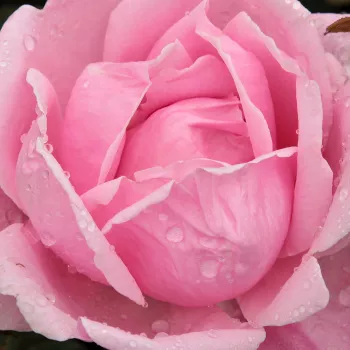
MADAME CAROLINE TESTOUT – pink hybrid tea rose – Pernet-Ducher
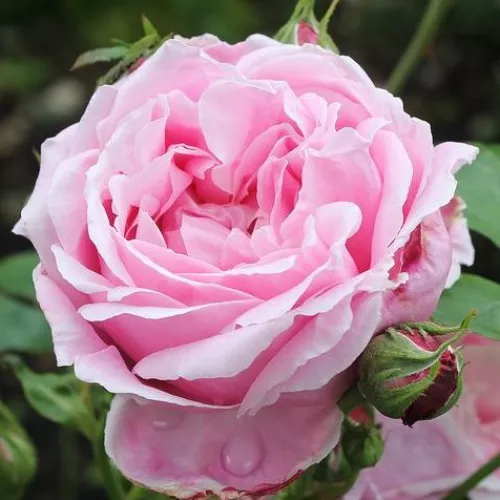
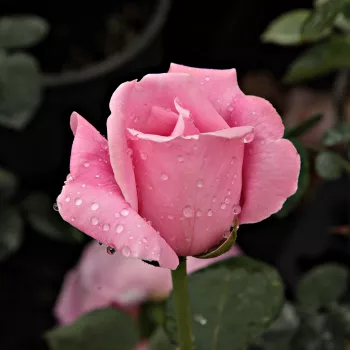
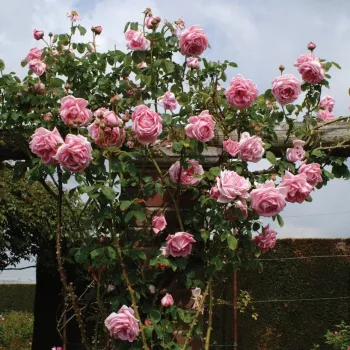
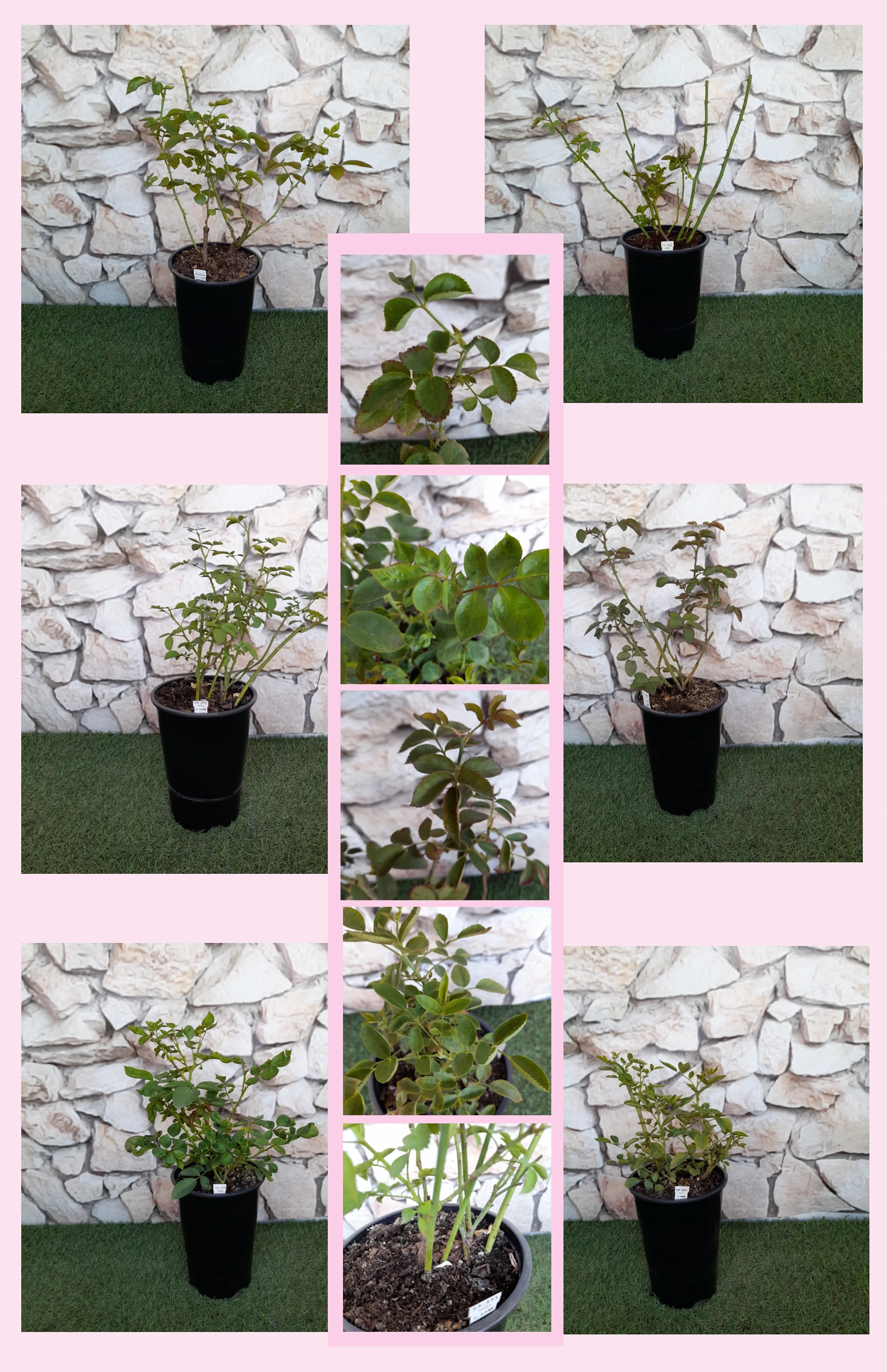
Between traditional cottage borders and neatly kept town plots, Madame Caroline Testout offers a reassuringly simple way to bring a romantic focal point into everyday life, with fully formed, cup-shaped blooms in a classic mid-pink that gently fades to pastel as they age. This own-root shrub is naturally long-lived and steady-growing, settling in well even where the soil is heavy, especially if you provide drainage or use a raised bed to manage water-logged ground on challenging clay. Its upright, hedge-friendly habit and dense, mid-green foliage make it easy to place in smaller family gardens, while the remontant flowering pattern ensures a reliable second flush for summer colour and scented cut flowers. Over time, it rewards you with a quiet, dependable presence: roots in the first year, stronger shoots in the second, and a full, mature ornamental display by the third, with maintenance kept low thanks to its disease resistant foliage. In a large pot or border, it anchors an afternoon-tea arbour corner, supporting that cosy, storybook feel without demanding expert pruning or complicated routines.
Usage options
| Target area | Reasoning |
|---|
| Feature rose by a seating area |
Plant close to a bench or patio table to enjoy its large, strongly scented, mid-pink flowers at nose level, perfect for cutting a few stems for indoor vases without stripping the whole plant, ideal for those who appreciate fragrance |
| Cottage-style mixed border |
Its upright, bushy habit and repeat flowering provide a steady vertical accent among perennials, tying together traditional cottage-planting with a soft pink theme that is easy to match to existing borders, ideal for those who enjoy romance |
| Low-maintenance family flowerbed |
Good resistance to black spot and powdery mildew keeps foliage attractive with fewer sprays, so everyday gardeners can maintain a clean-looking bed with simple watering and occasional deadheading, ideal for those seeking simplicity |
| Small hedge or boundary line |
Recommended spacings make it straightforward to form a flowering line that defines paths or divides the garden, giving privacy and structure without needing constant clipping, ideal for those planning a practical border |
| Large container near the house |
Grows well in a substantial container of at least 40–50 litres, bringing colour and scent right up to doorways or balconies, especially useful where ground soil is poor or space is limited, ideal for those managing a courtyard |
| Traditional rose and kitchen garden combination |
The classic hybrid tea shape and historic French breeding suit old-style vegetable plots and fruit corners, softening productive areas with ornamental charm and cut flowers for the house, ideal for those cultivating a homely allotment |
| Sites with heavier or challenging soil |
Performs reliably when planted into improved heavy ground, particularly if you raise the planting area or ensure drainage to avoid waterlogged conditions on clay, giving confidence in tougher plots, ideal for those coping with difficult soil |
| Long-term structural planting |
The own-root form supports gradual thickening and recovery if cut back hard, building into a durable shrub that can be refreshed over the years without losing its identity, ideal for those planning a long-lived investment |
Styling ideas
- Afternoon-Tea Nook – flank a small bistro set with two shrubs and underplant with sweet alyssum for low, scented edging – perfect for those creating a cosy seating corner
- Cottage Ribbon Border – repeat a loose line of plants along a path, weaving between catmint and obedient plant – for gardeners who like relaxed but orderly cottage structure
- Pink Cutting Row – plant in a sunny strip with Liatris and annuals, giving long-stemmed blooms for the vase – suited to home florists who enjoy regular cutting
- Kitchen-Garden Entrance – place as paired sentinels at the entrance to a veg patch, combining practicality with romance – ideal for families wanting a traditional potager feel
- Courtyard Statement Pot – grow a single specimen in a 50‑litre container with gravel mulch and herbs around the base – good for busy owners of paved or urban spaces
Technical cultivar profile
| Parameter | Data |
|---|
| Name and registration |
Madame Caroline Testout is a historic hybrid tea rose; current trade name Madame Caroline Testout Hybrid tea rose Pernet-Ducher; unregistered variety used under its long-established exhibition name. |
| Origin and breeding |
Bred by Joseph Pernet-Ducher in Lyon, France, introduced in 1890 by Pernet-Ducher; parentage ‘Madame de Tartas’ × ‘Lady Mary Fitzwilliam’, combining classic hybrid tea form with dependable garden performance. |
| Growth and structural characteristics |
Upright, bushy shrub 100–140 cm high and 70–110 cm wide, with dense, mid-green, slightly glossy foliage and moderate prickles; forms a well-filled bush suitable for feature planting, hedging and larger containers. |
| Flower morphology |
Large, double, cup to goblet-shaped flowers, typically 26–39 petals, borne mainly singly on stems; remontant with a generous second flush, providing a good mix of garden display and stems suitable for cutting. |
| Colour data and phenology |
Medium pink blooms with silky sheen; buds deep vivid pink, opening to RHS 62D outer, 62B inner; colour holds well, then fades gracefully to pale pastel pink, especially long-lasting in cooler, less intense sunlight. |
| Fragrance and aroma |
Strong, long-lasting scent of traditional rose character, noticeable both on the plant and when used as cut flowers indoors; fragrance persists well through the main flowering flushes in typical garden conditions. |
| Hip characteristics |
Limited hip set due to very double flowers; where produced, small globe-shaped hips around 8–12 mm across, bright red and decorative in autumn without significantly affecting overall flowering performance. |
| Resistance and winter hardiness |
Hardy to approximately −26 to −23 °C (RHS H7, USDA 5b, Swedish zone 4); good resistance to powdery mildew and black spot, moderate rust susceptibility; prefers regular watering during prolonged heat or drought. |
| Horticultural recommendations |
Best in full sun with fertile, well-drained soil; spacing 65 cm for mass planting, 55 cm for hedges, 100 cm as specimens; 2.4–2.7 plants/m²; deadhead for tidiness and to encourage flowering, as self-cleaning is weak. |
Madame Caroline Testout offers fragrant, repeat-flowering pink blooms on a durable, disease-resilient own-root shrub that matures beautifully over time, making it a thoughtful choice for relaxed, long-lived garden planting.