LYDIA® – orange-pink park rose – Kordes
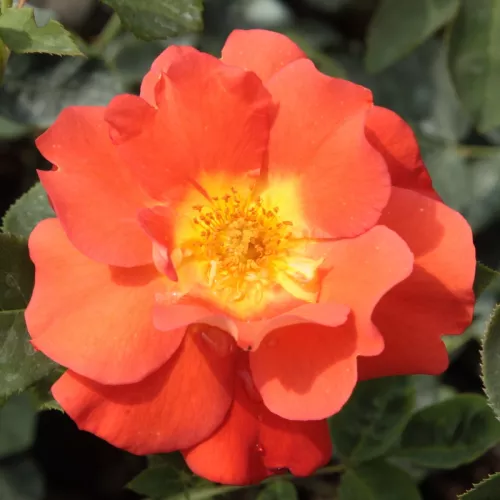
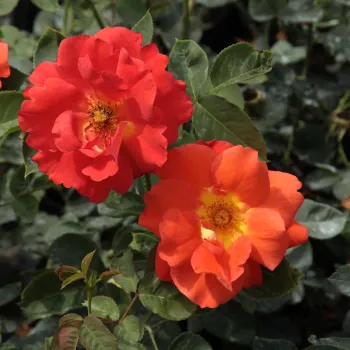
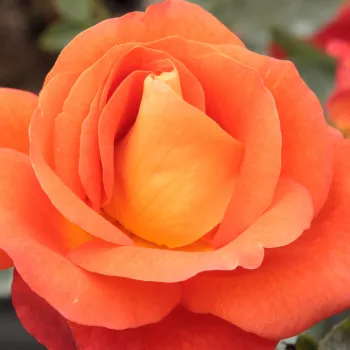
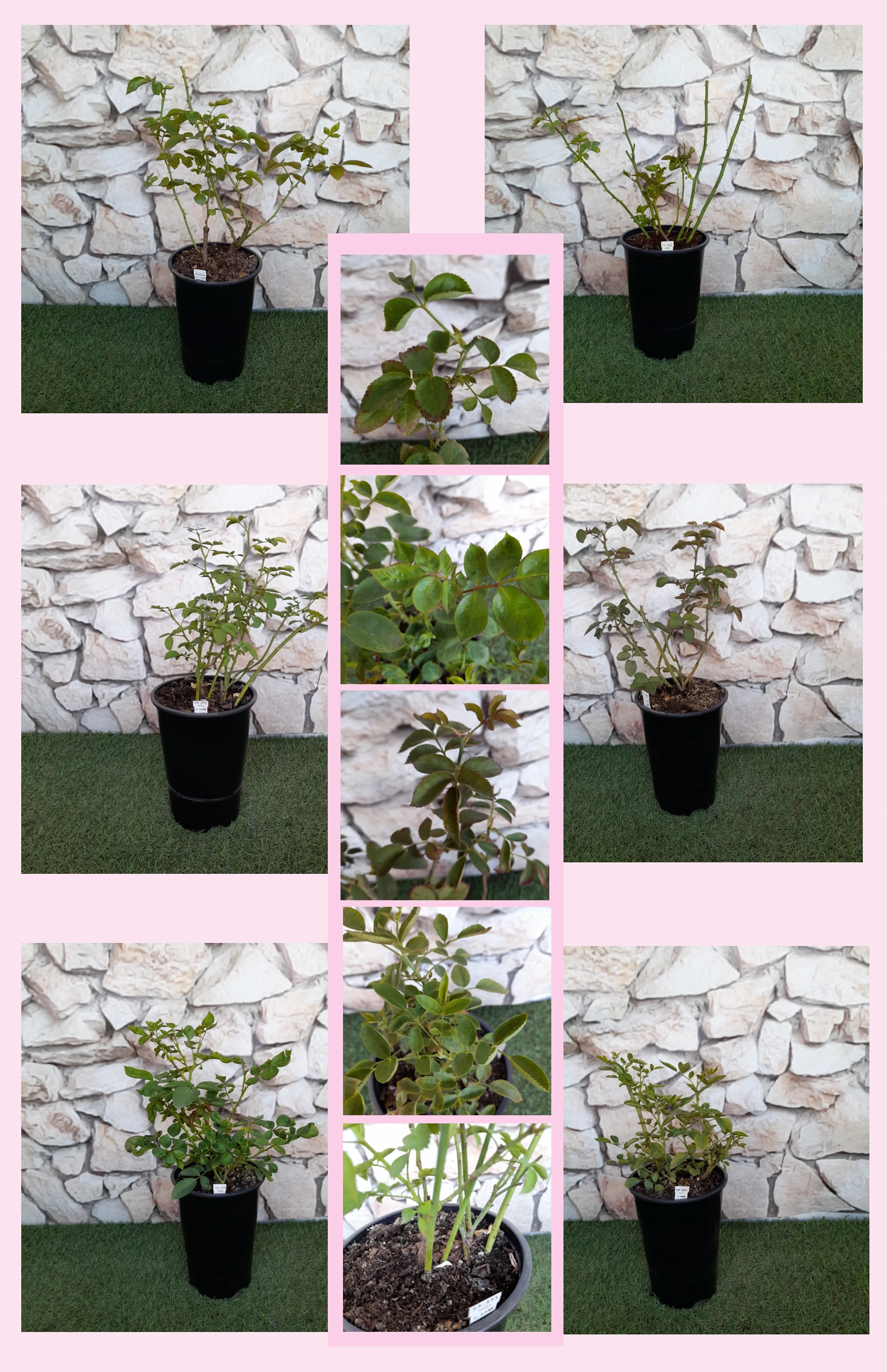
With its warm orange‑pink flowers and rich fruity scent, LYDIA® brings a softly romantic, storybook atmosphere to family gardens while coping steadily with cool, unsettled summers and frequent rain and wind. This upright, bushy shrub creates a generous, flowering presence for cottage borders, hedges or a single statement by the patio, yet remains straightforward to look after, with semi‑double, self‑cleaning blooms that drop neatly by themselves. Own‑root planting means reliable recovery after pruning or winter, building a durable, long‑lived framework that settles in once and keeps performing. In the first seasons you will see strong roots, then confident new shoots, and by the third year the shrub shows its full ornamental impact, giving you dependable colour for relaxed afternoon teas, romantic cottage corners and family‑friendly retreats with minimal chores. Its fragrant charm, remontant flowering and pollinator‑tempting, open hearts suit “girly” planting schemes and mixed kitchen‑garden edges, while the medium maintenance level and flexible pruning options keep this versatile rose reassuringly manageable for busy gardeners.
Usage options
| Target area | Reasoning |
|---|
| Cottage-style mixed border by terrace or seating area |
The upright, bushy habit and 140–220 cm height give an immediate sense of structure, while the warm orange‑pink flowers fade gently through peach to creamy yellow for a soft, romantic colour story through the season. The strong, fruity fragrance carries well in still evening air, enhancing relaxed outdoor meals or afternoon tea. Self‑cleaning flowers reduce deadheading, so the border stays presentable with less effort for the busy home gardener. |
| Informal flowering hedge along a path or boundary |
Planted at around 90 cm intervals, LYDIA® knits into a leafy, flowering screen, its dense, dark green foliage and moderate thorns giving a practical yet pretty boundary. Semi‑double, clustered blooms create splashes of colour along the hedge, repeating generously through the season. Own‑root plants build a durable framework that can be pruned more freely over the years without worrying about losing the variety, suiting the low-maintenance hedge lover. |
| Specimen shrub as a focal point in a small family garden |
As a single specimen at around 165 cm spacing, this rose forms a tall, upright, bushy presence that becomes a romantic focal point near a bench, arbour or lawn edge. The colour changes as flowers age add interest at a distance, while the accessible stamens attract visiting bees. With moderate disease resistance, occasional care is usually enough to keep it attractive, making it ideal for the time-pressed homeowner. |
| Large container on a sunny terrace or small urban patio |
In a substantial 40–50 litre container with good drainage, LYDIA® offers shrub-scale impact where ground space is limited. The bushy habit and repeat flowering create a soft screen for privacy on balconies or roof terraces, while the fragrance can be enjoyed close up. Own‑root vigour supports recovery if growth is trimmed to suit the pot, fitting the needs of the space-conscious city gardener. |
| Romantic “girly” cottage border with perennials and herbs |
The warm orange‑pink, peach and cream tones blend beautifully with soft purples, whites and pastels, giving a feminine, nostalgic look beside lavender, hardy geraniums or kitchen‑garden herbs. Semi‑double flowers with visible stamens add a natural, slightly informal feel, while self‑cleaning blooms help keep the border tidy. This style suits the lover of English country charm. |
| Pollinator-friendly corner near vegetable or kitchen garden |
Semi‑double, fragrant flowers with accessible stamens offer food and scent cues for bees and other beneficial insects, making LYDIA® a decorative ally beside fruit and vegetable beds. The generous second flush means pollinator interest continues later in the season. Own‑root plants maintain their character even after harder pruning in productive areas, appealing to the wildlife-conscious kitchen gardener. |
| Family lawn edge or play-area backdrop |
The tall, upright shape and dense foliage create a soft, leafy backdrop that frames a lawn or play area without feeling formal. Flowers fall cleanly as they age, reducing spent blooms underfoot and keeping the space neater between garden sessions. The plant’s ability to cope with cool, changeable weather and frequent wind makes it reliable structure for the practical family planner. |
| Low-effort rose feature for cooler, wetter regions |
Hardy to about –26 to –23 °C, LYDIA® is well suited to exposed or cool gardens, continuing to perform in seasons when warmth and sunshine are limited. Its moderate disease resistance responds well to simple, occasional care. Over time, the own‑root shrub develops a resilient framework that rides out blustery, rain-lashed days near the coast, reassuring the weather-weary UK gardener. |
Styling ideas
- Terrace Romance – Place LYDIA® in a large container beside a bistro set, underplant with trailing thyme and white lobelia for scent and softness – ideal for couples enjoying evening tea outdoors.
- Cottage Ribbon – Create an informal hedge along a path, interspersed with hardy geraniums and catmint to weave blues and mauves through the orange‑pink blooms – perfect for fans of traditional cottage gardens.
- Kitchen Garden Charm – Position a specimen LYDIA® at the corner of raised vegetable beds, edging with chives and marigolds so pollinator‑friendly roses overlook productive plots – suited to home growers who value beauty and utility.
- Pastel Play-Backdrop – Line the back of a family lawn with LYDIA® and soft shrubs like dwarf pine and pale echinacea for a calm, storybook frame – for families wanting a gentle, photogenic setting.
- Front-Garden Welcome – Flank the front gate with matching shrubs, underplanted with low lavender and soft grasses to perfume the entrance and offer year-round structure – appealing to homeowners who like a warm first impression.
Technical cultivar profile
| Characteristic | Data |
|---|
| Name and registration |
LYDIA® (registered as Lydia) is a park–shrub rose in the Shrub group, used as a park rose and garden shrub, suitable for specimen, hedging and mixed ornamental plantings. |
| Origin and breeding |
Bred by Reimer Kordes at W. Kordes’ Söhne, Germany, from unknown seedling × ‘Circus’; introduced and registered in 1973, now offered as an own‑root, container-grown garden rose. |
| Awards and recognition |
Bronze medal, Baden‑Baden International Novelty Competition (1975), acknowledging ornamental value and garden performance among contemporary introductions in European trial gardens. |
| Growth and structural characteristics |
Vigorous, upright, bushy shrub reaching about 140–220 cm high and 120–180 cm wide, with dense, slightly glossy dark green foliage (RHS 137A) and moderate prickliness on shoots. |
| Flower morphology |
Semi‑double, goblet to cup-shaped flowers, 0.5–1.5 inches across, produced in clusters; approximately 13–25 petals, with remontant habit and a notably generous second flush in season. |
| Colour data and phenology |
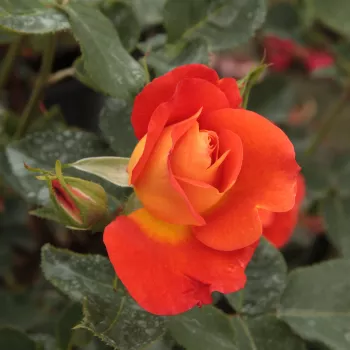
Closed buds deep orange‑red; opening to vibrant salmon‑orange with yellowish wash, then medium orange‑pink before fading through peach to creamy yellow; ARS OB, RHS 24B outer, 14B inner. |
| Fragrance and aroma |
Strong, rich fruity fragrance, distinct and noticeable around the shrub; semi‑double structure with visible stamens offers partial pollinator appeal alongside its ornamental and sensory qualities. |
| Hip characteristics |
Produces moderate quantities of ellipsoidal hips, around 8–12 mm across, coloured red (RHS 44A), offering additional late-season interest and potential food for wildlife in informal plantings. |
| Resistance and winter hardiness |
Hardy to approximately –26 to –23 °C (RHS H7, USDA 5b, Swedish zone 4); moderate resistance to powdery mildew, black spot and rust, generally manageable with occasional preventive care. |
| Horticultural recommendations |
Suitable for parks, hedges, specimens, containers and urban green spaces; plant 90–165 cm apart depending on use, in well-drained soil, with medium maintenance and periodic pest or disease checks. |
LYDIA® offers a richly fragrant, repeat-flowering shrub presence with self-cleaning blooms and durable own-root growth, making it a thoughtful choice for long-lived, romantic structure in an everyday family garden.