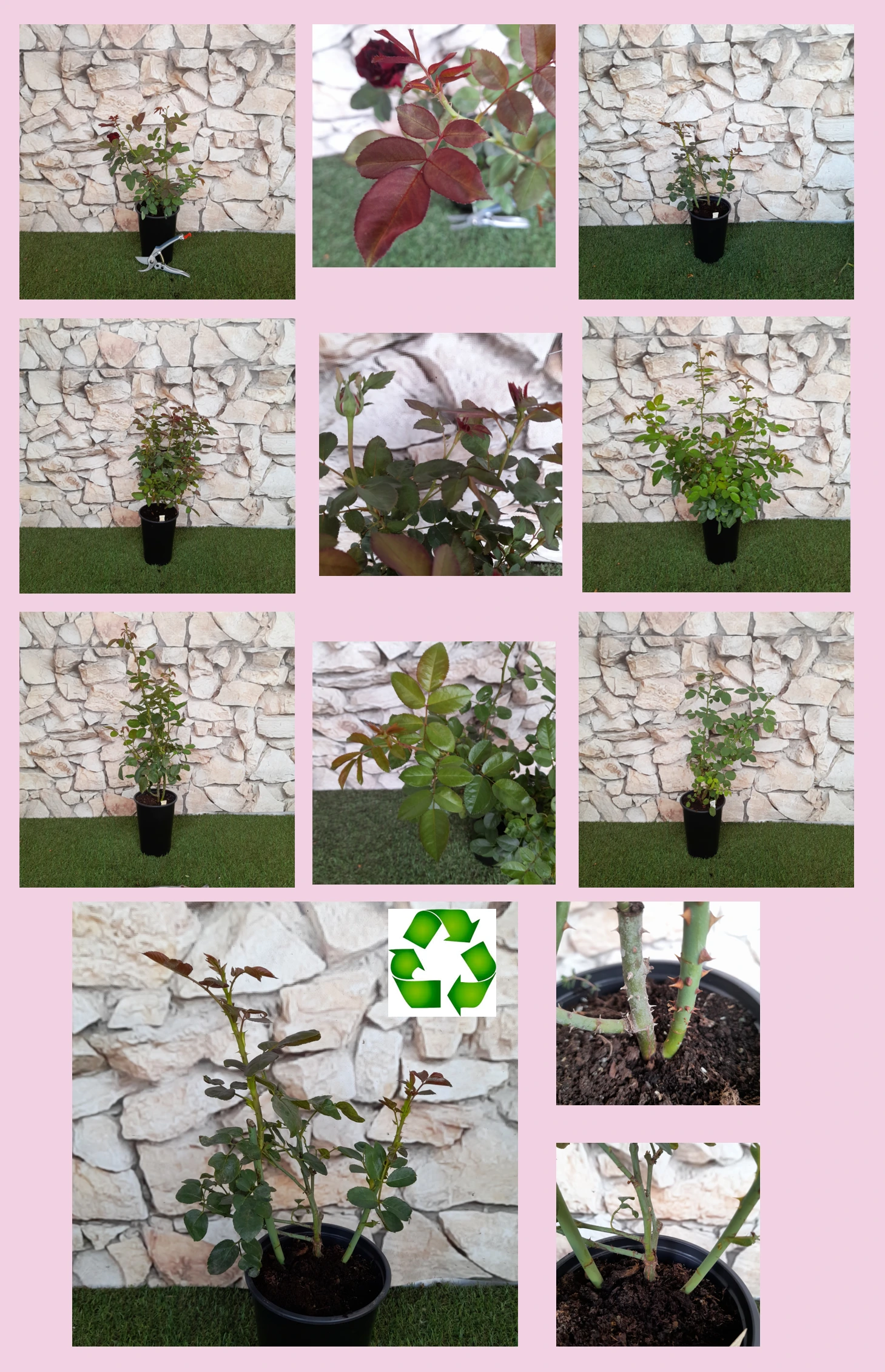
LOUIS DE FUNES® GPT – orange climbing rose – Meilland
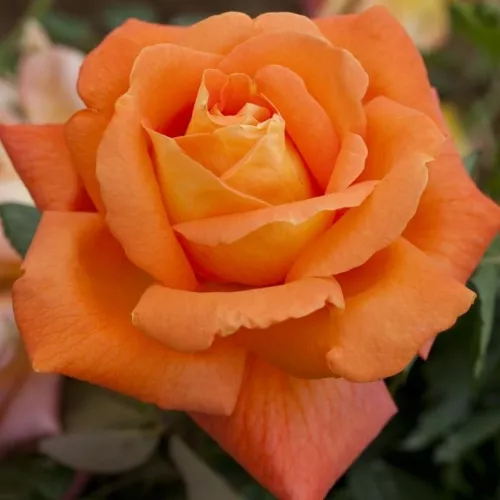
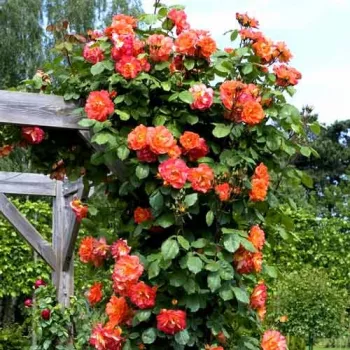
Let this lively climbing rose bring romantic colour to your garden, wrapping arbours, pergolas or sunny fences in glowing orange blooms that echo the warmth of afternoon tea beneath a trellis. Its high‑centred, cut‑rose style flowers and fresh, citrus fragrance create a storybook backdrop, while own‑root vigour supports a long‑lived, reliable display even where breezy, unsettled weather meets heavier soils and careful drainage is needed for good anchoring. In its first years it knits in steadily, with roots establishing, then shoots extending, then a full ornamental effect developing by about the third season, so you enjoy dependable colour and structure without complex routines. Well suited to average family gardens, this upright climber offers flexible training, graceful height and a reassuringly straightforward care regime that fits busy beginners and relaxed cottage‑style planting.
Usage options
| Target area | Reasoning |
|---|
| Arbour or pergola near a seating area |
The upright, trainable growth and repeat flowering create a romantic, storybook canopy around benches or tea tables, with plenty of high‑centred blooms to admire at eye level through the season – perfect for those who enjoy romantic. |
| Sunny house wall in a small family garden |
Its medium height and moderate spread make it ideal for typical suburban walls, adding warm orange colour without overwhelming the space, while own‑root resilience supports a long, low‑maintenance life – ideal for those who value anchoring. |
| Traditional cottage‑style mixed border |
The intense orange flowers combine beautifully with soft perennials and cottage favourites, bringing structure and vertical interest while remaining manageable for casual care routines – well suited to gardeners drawn to colour. |
| Feature climber by a garden gate or path |
Trained on an obelisk or light framework, it forms an upright, welcoming accent with repeated flushes of cut‑flower‑quality blooms, providing charm without complicated pruning – attractive for those seeking climber. |
| Large container on terrace or balcony (min. 40–50 L) |
In a generous container with support, it offers vertical interest and season‑long flowers close to the house, with own‑root plants recovering well from occasional stress or missed watering – reassuring for time‑pressed beginners. |
| Cutting corner in a kitchen or cutting garden |
The high‑centred, double blooms on clustered stems lend themselves to vases and informal arrangements, giving you fragrant, citrus‑scented stems to bring indoors throughout summer – appealing to those who prioritise fragrance. |
| Coastal or exposed, breezier spots with improved soil |
Once established and well staked or tied in, its upright framework copes reliably where wind and showers are frequent, provided heavier ground is loosened or raised for good rooting and drainage – a sound choice when thinking about trellis. |
| Long‑term feature in a family garden plan |
As an own‑root climber it can regenerate from the base after harder pruning or minor damage, building up steadily over the first three seasons into a stable, long‑lived garden presence – ideal for planners who appreciate orange. |
Styling ideas
- Storybook arch – Train over a simple metal or wooden arch flanked by lavender and catmint for a soft, hazy base, ideal for those who want a gentle, romantic entrance.
- Kitchen‑garden frame – Grow against rustic posts at the edge of vegetable beds, interplanted with herbs and calendula, for a cheerful, productive corner suiting cottage‑style kitchen gardeners.
- Cottage fence – Weave along a low fence with Gypsophila repens and Armeria maritima at the feet, creating a feminine, “girly” drift perfect for traditional front gardens.
- Terrace focal point – Plant in a 50‑litre pot with a slim obelisk and underplant with trailing thyme for fragrance, fitting busy urban homeowners with limited ground space.
- Evening retreat – Position by a pergola with pale pink roses and white campanulas, making a calm, luminous seating area for those who savour quiet afternoon tea outdoors.
Technical cultivar profile
| Parameter | Data |
|---|
| Name and registration |
Climbing rose cultivar MEIrestifsar, marketed as Louis De Funes® Gpt, a large‑flowered climber suitable for garden use and cutting; classified in the climbing rose commercial group. |
| Origin and breeding |
Bred by Alain A. Meilland, Meilland International, France, from ‘Louis de Funès’ and complex hybrid parents; bred 2010 and introduced and registered in 2014. |
| Growth and structural characteristics |
Upright climber reaching about 70–120 cm in height and 60–110 cm spread in early years, with moderately dense, glossy dark green foliage and notably thorny shoots. |
| Flower morphology |
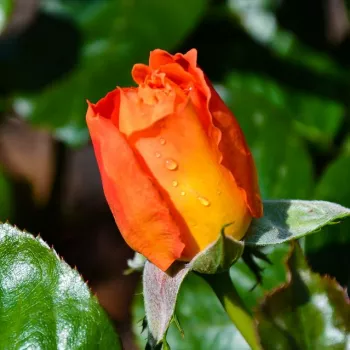
High‑centred, pointed‑budded double blooms with 26–39 petals, large flower size in clustered inflorescences, remontant habit giving abundant second flushes in suitable conditions. |
| Colour data and phenology |
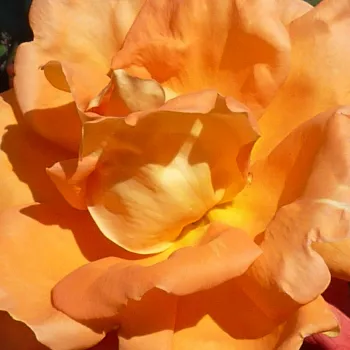
Pure, intense orange with slight reddish depth; outer petals lighter. Colour lightens somewhat in strong sun, remaining vivid in cooler periods, with salmon‑orange tones before fading. |
| Fragrance and aroma |
Medium‑strength scent with a clearly perceptible fresh, citrus character; primarily ornamental, with limited value for cosmetic or soap use in typical home‑garden settings. |
| Hip characteristics |
Hip set is generally low due to double flowers; any hips present are small, about 9–15 mm, spherical, and orange‑red, adding modest late‑season ornamental interest. |
| Resistance and winter hardiness |
Rated RHS H6, hardy in much of the UK and similar climates; moderate tolerance of heat and drought, needing irrigation in prolonged dry spells, with moderate disease resistance. |
| Horticultural recommendations |
Best in sunny sites on improved soil; ideal for pergolas, fences, walls and as a specimen climber or cut flower source, with medium maintenance and occasional pest and disease checks. |
LOUIS DE FUNES® GPT offers glowing orange blooms, romantic climbing structure and a fresh citrus scent on a resilient own‑root framework, making it a thoughtful long‑term choice for relaxed, traditional gardens.