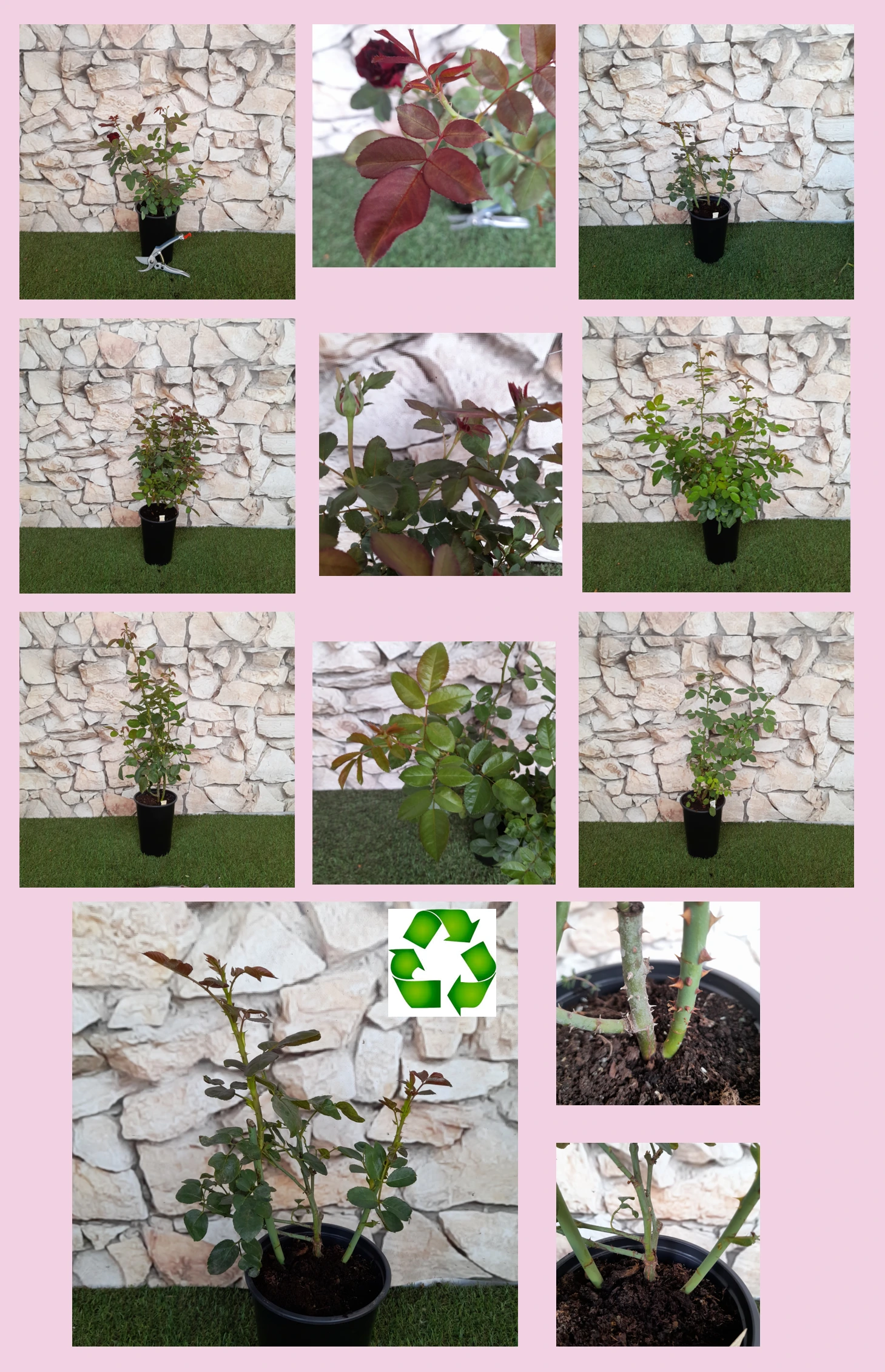
LOUIS DE FUNES® – orange hybrid tea rose - Meilland
Turn an everyday corner of your garden into a cosy, storybook setting with the vivid orange blooms of LOUIS DE FUNES®, an upright hybrid tea that brings classic, high‑centred flowers to modest family plots and town gardens alike. Its medium maintenance needs are manageable even for beginners, especially when you give it a sunny spot with reasonable drainage in heavier soils where winter wet can linger and roots stay cooler. As an own‑root, container‑grown plant, it settles in steadily, building root strength first, then better flowering shoots, and finally a mature display that holds its shape for years. The long, straight stems lend themselves to relaxed cutting for the house, while the dense, glossy foliage underpins a tidy structure in mixed borders. Vibrant colour remains the star: fiery buds open to large, pure orange blooms with a subtle golden sheen and paler edges for depth. Discreet, citrus‑fresh fragrance adds gentle charm rather than overpowering perfume, ideal where you sit close by for afternoon tea. Its bushy habit and award‑winning garden performance make it a standout specimen or part of a low, romantic hedge. Over time, the resilient own‑root framework allows incremental renewal through simple pruning, so the plant keeps its ornamental value without complicated routines. In a traditional, “girly” cottage setting of roses, kitchen beds and soft hedging, this reliable hybrid tea offers enduring elegance with a modern ease of care.
Usage options
| Target area | Reasoning |
|---|
| Feature rose by the terrace or seating area |
The large, high‑centred blooms combine pure orange tones with paler petal edges, giving a luminous, romantic focus right where you pause for afternoon tea. Their refined exhibition form reads as classic elegance, even in a compact family garden, appealing to those who enjoy a traditional, showpiece rose look at home |
| Cut‑flower corner in a kitchen or cottage garden |
Strong, upright stems and XL solitary flowers make this cultivar naturally suited to cutting, so you can take armfuls of blooms indoors without sacrificing the plant’s outline. Regular cutting encourages fresh growth and repeat flowering, offering a practical way to enjoy the rose in vases while keeping the shrub productive for those who love arranging home‑grown flowers indoors |
| Romantic focal point in a mixed border |
The bushy, upright habit with dense, glossy foliage creates a clear vertical accent without overwhelming nearby perennials or herbs. Planted as a specimen at the recommended spacing, it reads as a small ornamental shrub, giving structure through the seasons and tying together cottage‑style plantings for gardeners seeking low‑effort, shapely features outside |
| Sunny spot with firmer or heavier soils |
This rose appreciates sun and copes well where soils can be on the heavier side, provided some attention is given to drainage so roots are not waterlogged in winter. Once established on its own roots, it anchors reliably and responds well to steady watering in dry spells, reassuring those gardening on challenging clay who still want dependable flowering nearby |
| Long‑term planting for a family garden |
Supplied as an own‑root, 2‑litre plant, it develops into a durable shrub that does not depend on a graft union, reducing worries about suckers or graft failure over time. With a simple care routine, the framework thickens and can be renewed by basic pruning, suiting families who want a rose that will accompany them for many seasons together |
| Low, informal hedge or boundary accent |
At around 85–115 cm tall with a 70–90 cm spread, plants set 50–60 cm apart form a loose, colourful line that marks paths or vegetable plots without feeling rigid. The repeated flushes of orange blooms enliven practical areas, giving a soft division between garden “rooms” that appeals to those who like gentle structure rather than formal fencing outside |
| Flexible pruning for busy or novice gardeners |
This cultivar tolerates both moderate annual pruning and lighter, occasional trims, so you can adapt the workload to your schedule. Even if you only remove dead or damaged stems and spent blooms, the own‑root base steadily rebuilds growth, which is reassuring for beginners who prefer forgiving, easy‑to‑manage roses starting |
| Collector’s choice with proven garden performance |
Raised by Meilland and honoured with major European awards in the early 1980s, it brings show‑bench breeding into an accessible garden plant. That history underpins its reliable flowering and presentation, offering enthusiasts and style‑conscious homeowners alike a cultivar with documented merit rather than a purely experimental choice today |
Styling ideas
- Tea‑table charm – Plant near a bistro set, underplanted with soft nepeta and low lavender to echo the orange blooms; ideal for those who enjoy relaxed afternoon tea outdoors – cottage‑style romantics
- Kitchen‑door posy – Combine with herbs and old terracotta pots so you can cut stems on the way indoors; good for gardeners who like practical beauty – home cooks and flower gatherers
- Sunset border – Pair with apricot foxgloves, pale pink roses and silvery foliage to amplify the fiery orange tones; suits those building a warm, storybook palette – colour‑driven planners
- Classic hedge – Line a path or lawn edge at 50–60 cm spacing, weaving in low box or airy grasses for year‑round outline; perfect for families wanting gentle structure – traditional garden owners
- Container spotlight – Grow a single plant in a 40–50 litre pot by the front door with trailing ivy and seasonal bedding; best for small urban spaces – balcony and patio gardeners
Technical cultivar profile
| Parameter | Data |
|---|
| Name and registration |
Hybrid tea rose, registered as MEIrestif, marketed as Louis De Funes®; exhibition name Louis de Funes. Part of the hybrid tea group, selected for both garden and cut‑flower use. |
| Origin and breeding |
Bred by Marie‑Louise Meilland (Meilland International, France) from complex hybrid tea parentage; bred 1982, introduced and registered 1984, combining exhibition form with reliable garden performance. |
| Awards and recognition |
Highly decorated: Monza Gold medal and Rose of the Year 1983, Geneva Gold medal and Geneva City Award 1983, Madrid Bronze medal 1983, Saverne Certificate of Merit 1983. |
| Growth and structural characteristics |
Upright, bushy shrub 85–115 cm tall and 70–90 cm wide, with dense, glossy dark green foliage and moderate prickles; spent blooms persist and benefit from deadheading to maintain appearance. |
| Flower morphology |
Large, solitary, high‑centred, pointed‑bud flowers on strong stems; double (26–39 petals), classic hybrid tea form. Remontant with an especially abundant second flush given suitable feeding and care. |
| Colour data and phenology |
Vivid fiery orange base with golden sheen; buds deep red‑orange, opening pure orange (RHS 25A, 23B) then softening to peach‑orange. Colour lightens in strong sun, stays richer in cooler conditions. |
| Fragrance and aroma |
Mild, fresh fragrance with a light orange‑peel character; noticeable at close range without dominating nearby seating areas. Primarily chosen for colour and form rather than intense perfume. |
| Hip characteristics |
Hip set is usually sparse due to double blooms, though occasional small ovoid hips 10–14 mm may form, coloured red‑orange and adding a discreet late‑season detail when present. |
| Resistance and winter hardiness |
Hardy to about −23 to −21 °C (RHS H7, USDA 6a, Swedish Zone 3). Disease resistance moderate to main foliar diseases; benefits from good air movement and basic preventive care in humid summers. |
| Horticultural recommendations |
Best in a sunny position with reasonable drainage; water during extended dry spells. Ideal for beds, specimen planting and cutting. Recommended spacing 50–90 cm depending on hedge, mass or specimen use. |
LOUIS DE FUNES® offers luminous orange blooms, strong cutting stems and a tidy, upright habit on a durable own‑root plant, making it a cultured long‑term choice for those planning a romantic, easy‑care garden; consider it thoughtfully.