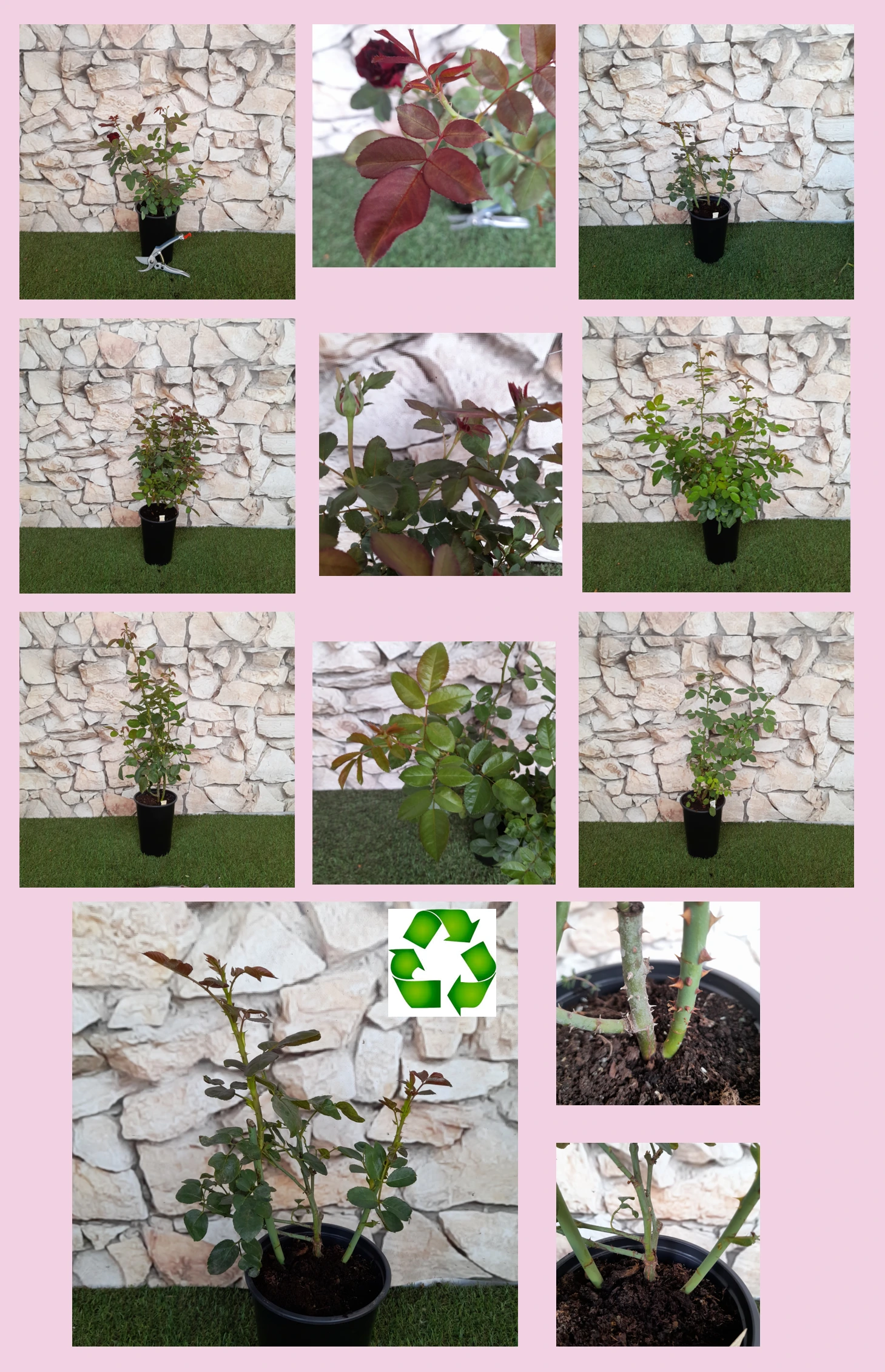
ETRUSCA – orange hybrid tea rose - Barni
Invite a quietly romantic, English-countryside ambience into your family garden with Etrusca, a compact hybrid tea whose warm orange-peach blooms suit traditional borders as well as neat front-garden plantings. Its bushy habit and glossy dark foliage form a naturally rounded shrub that sits beautifully among cottage perennials, while the very double, cup-shaped flowers bring a soft, nostalgic focus to beds, paths and seating areas. Medium maintenance and own-root robustness mean a reassuringly long-lived structure with fewer worries over time, even where gardens face brisk winds and need reliable anchoring in changeable weather. Etrusca settles steadily, with roots building first, then stronger shoots, then full ornamental value over three seasons, so you can plan for a lasting display rather than a fleeting show. Suited to partial shade and cooler UK summers, its medium-strength perfume and classic flower form create a gentle theatre for afternoon tea or evening unwinding, while moderate disease resistance and verified cultivar authenticity add practical assurance for busy gardeners.
Usage options
| Target area | Reasoning |
|---|
| Small front garden feature by the path or doorway |
The naturally bushy, compact growth habit keeps Etrusca in proportion with smaller plots, giving a structured look without overwhelming narrow beds or short paths. Regular deadheading is straightforward and rewards you with repeated flushes through the season, offering a welcoming focal point for beginners |
| Romantic mixed cottage border with perennials |
Dense, dark, glossy foliage creates a strong backdrop for soft cottage planting, while the warm orange-peach blooms weave comfortably amongst traditional companions like columbines, daylilies and coneflowers. Medium disease resistance and own-root resilience support a long border life for traditionalists |
| Patio container near a seating or dining area |
Etrusca’s moderate height and upright, bushy shape suit a deep container of at least 40–50 litres, where regular watering can be managed more easily and poor soil can be bypassed. This lets you enjoy the colour and medium fragrance close at hand, with year-on-year renewal appealing to balcony-owners |
| Cutting corner for home arrangements |
The hybrid tea form with solitary, well-shaped blooms and sturdy stems makes this rose ideal for cutting a few high-quality flowers at a time. Repeating flushes mean you can take stems without spoiling the shrub’s appearance, giving reliable stems and colour for home-florists |
| Feature rose in a kitchen or utility garden |
Planted near herbs or vegetable beds, Etrusca brings ornamental structure and a touch of formality without needing complex care, just basic feeding and watering. Own-root planting means that if the top growth is ever damaged, the shrub can regenerate reliably, suiting practical plot-keepers |
| Low, informal hedge along a path or lawn |
Recommended spacings of around 50–60 cm allow plants to join into a low, flowering line that frames lawns or divides garden rooms. Medium maintenance pruning gives you flexibility: light trimming for a relaxed look or harder pruning for tidier form, making it adaptable for family-gardens |
| Sheltered coastal or windy suburban sites |
The bushy, well-branched framework and moderate height help Etrusca stand up to exposed suburban positions, where it can anchor beds without becoming leggy. In such sites, its rounded habit reduces rocking in gusts and maintains a composed outline valued by busy-owners |
| Clay or chalk garden beds improved with compost |
Where soils are heavy or on the chalky side, this own-root rose responds well to planting in improved, well-drained beds, rewarding the initial effort with a long-lived, stable shrub. Once established, its steady framework and dependable reflowering suit long-term planning for time-poor-gardeners |
Styling ideas
- Kitchen-border elegance – Thread Etrusca between culinary herbs and low vegetables, using its neat, bushy shape as a soft divider – ideal for cooks who enjoy cutting a few blooms for the table.
- Peach-and-cream romance – Combine with cream roses, white foxgloves and soft grasses to echo its peachy fading tones – suited to those seeking a gentle, storybook cottage palette.
- Front-garden welcome – Plant a pair of Etrusca roses by the front path with lavender and catmint to underline its compact, structured habit – perfect for homeowners wanting tidy kerbside charm.
- Patio tea corner – Grow Etrusca in a 50-litre terracotta pot with low thyme and violas at the base, making the most of its repeat flowering beside a small table – for city gardeners creating a calm nook.
- Soft-hedged walkway – Use a loose row along a garden path, interplanting with tawny daylilies to echo its warm tones and steady structure – appealing to families who like a traditional but informal route.
Technical cultivar profile
| Parameter | Data |
|---|
| Name and registration |
Hybrid tea rose marketed as Etrusca, with American Rose Society exhibition name ‘Etrusca’; commercial type and group both hybrid tea; no separate registered code reported. |
| Origin and breeding |
Bred by Enrico Barni of Rose Barni, Pistoia, Italy; introduced and registered in 2006, with parentage not disclosed; developed as a premium garden and cutting hybrid tea. |
| Growth and structural characteristics |
Bushy, well-branched shrub reaching about 75–105 cm in height and 50–70 cm spread, with dense, glossy dark green foliage and moderate prickliness, forming a compact, rounded framework. |
| Flower morphology |
Medium-sized, very double, cup-shaped blooms borne mostly solitary on stems, with over 40 petals; remontant, with a particularly abundant second flush when spent flowers are regularly removed. |
| Colour data and phenology |
Strong warm orange base shifting through fiery coppery orange to bright peach orange, then light peach-pink with creamy streaks; overall effect a soft peach-orange rosette paler at the petal edges. |
| Fragrance and aroma |
Medium-strength scent, noticeable when you are close to the bloom; character details not fully recorded, but sufficient to add a gentle perfume accent in seating and path-side plantings. |
| Hip characteristics |
Forms moderate quantities of small, spherical hips 8–12 mm across, coloured orange-red (RHS 44A); ornamental but not dominant, generally appearing after flowering if deadheading is not carried out. |
| Resistance and winter hardiness |
Hardy to approximately -21 to -18 °C (RHS H7, USDA 6b, Swedish zone 3); medium resistance to black spot, powdery mildew and rust, needing occasional monitoring, plus regular watering in hot, dry spells. |
| Horticultural recommendations |
Best in flowerbeds or large containers; also suitable for cut flowers. Plant around 50–60 cm apart for hedging, 90 cm as a specimen; prefers partial shade or cooler positions and even soil moisture. |
ETRUSCA – orange hybrid tea rose - Barni offers compact structure, repeat flowering and dependable border performance in a long-lived own-root form, making it a thoughtful choice for those planning a romantic, enduring garden space.