LEONARD DUDLEY BRAITHWAITE – crimson-red English rose - Austin
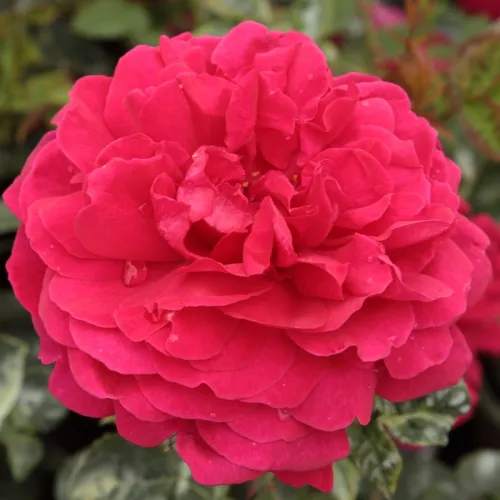
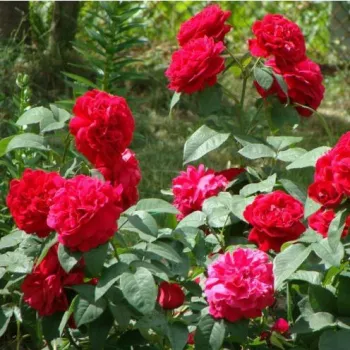
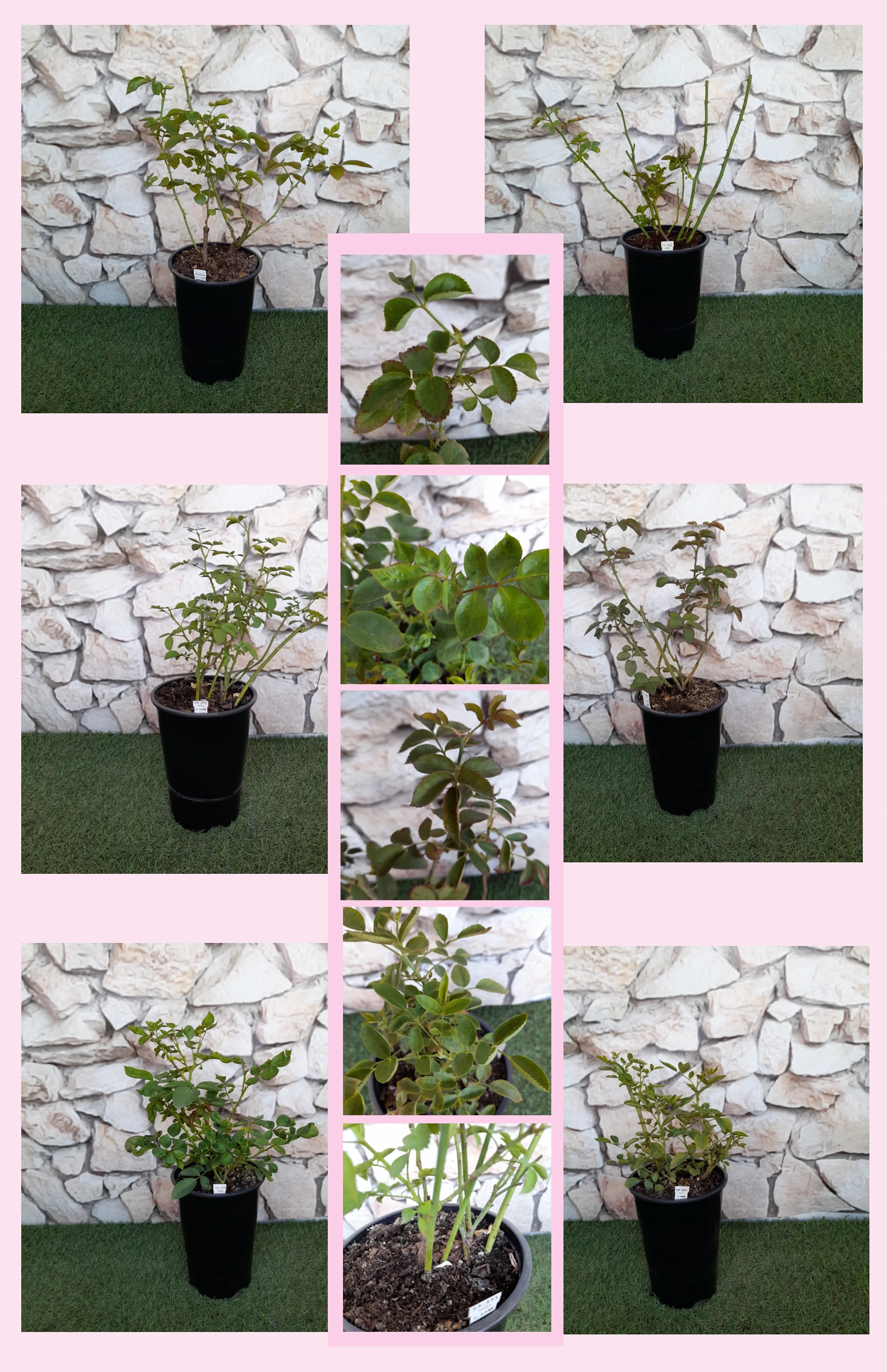
With its richly crimson, velvety blooms and strong traditional perfume, Leonard Dudley Braithwaite brings a sense of romance to even the smallest family garden. This classic English shrub rose forms a bushy, leafy structure that feels naturally enclosing, perfect beside a seating area or along a path leading to your kitchen garden. On its own roots it builds strength steadily for a long, reliable life, regenerating well from the base and keeping its beauty season after season with only straightforward care. Plant once and enjoy an ordered rhythm: roots in the first year, fuller shoots in the second, and a complete garden presence in the third, without demanding expert pruning or complex feeding schedules. It repeats its rich crimson display through summer for a truly storybook cottage mood, and will thrive in typical UK conditions, even where gardens are exposed to wind and frequent rain by the coast. Suitable for partially shaded borders, it still flowers well where you sit for afternoon tea, offering both privacy and colour in a space‑saving footprint. As a cut flower for the house or a focal point in a mixed bed, its fragrance and depth of colour make it a dependable, characterful choice for busy gardeners who value reassuringly traditional charm.
Usage options
| Target area | Reasoning |
|---|
| Main flower bed in a family garden |
The bushy, upright habit and dense foliage create a rounded, medium-sized shrub that comfortably anchors a mixed bed without overwhelming neighbouring plants. Regular repeat flowering through summer adds reliable structure and colour with only light deadheading and seasonal feeding, ideal for those wanting a well-behaved, easy-care gardener. |
| Romantic cottage-style border by a seating area |
The rich crimson rosette blooms and strong scent give a traditional, storybook feel beside benches or patios, enhancing the atmosphere of afternoon tea or evening relaxation. Its enclosed, slightly formal outline helps define the edge of a terrace while remaining soft and welcoming for those who enjoy a classic, cottage-garden enthusiast. |
| Feature shrub near a path or front door |
Planted as a specimen at the recommended spacing, it forms a noticeable yet tidy presence that welcomes visitors with colour and perfume. The own-root form builds up a long-lived framework that responds well to periodic renewal pruning, suiting homeowners looking for a stable, enduring front-garden owner. |
| Informal flowering hedge or boundary line |
At closer spacing it creates a loosely knitted, leafy screen that gives a sense of privacy without feeling harsh or rigid. The combination of dark green foliage and deep red blooms provides year-on-year ornamental interest, appealing to families who want a soft, traditional boundary, privacy-conscious household. |
| Large container on terrace or small urban patio |
In a substantial container of at least 40–50 litres with good drainage, its compact, bushy growth and repeat-flowering habit bring cottage-garden charm where ground planting is limited. Root strength and long-term stamina are supported by the own-root form, suiting balcony and patio users such as the busy city gardener. |
| Part-shaded corner or east-facing border |
Its suitability for partial shade means it can still produce good flowering where morning or late-afternoon light dominates. This allows you to brighten less-sunny, lived‑in corners of the garden, particularly around seating, for those making the most of every metre, space-conscious planner. |
| Coastal or wind-exposed family plot |
The shrub’s sturdy framework and dense foliage help it stand up to gusts and salt-laden breezes, while the own-root system anchors it securely and recovers steadily over time, even under wet, breezy conditions typical of gardens that often face strong coastal winds, ideal for the seaside gardener. |
| Cutting patch within a kitchen or country garden |
Long stems bearing clusters of very full, velvety crimson blooms provide excellent material for vases, while its strong, lingering scent carries indoors. Repeating flushes mean a regular supply through summer, appealing to those who like arranging home-grown flowers, the dedicated home florist. |
Styling ideas
- Crimson focus – Use as a central shrub in a small front bed, with pale pink geraniums and silver foliage plants to set off the dark blooms – for homeowners wanting instant, classic kerbside appeal.
- Tea-corner – Flank a bench with two plants under a light pergola, weaving in clematis and lavender for scent layers – for couples creating a quiet afternoon tea spot.
- Cottage hedge – Plant in a loose row with catmint and lady’s mantle at the base, softening the line and echoing traditional country gardens – for families favouring a romantic, informal boundary.
- Patio jewel – Grow one plant in a 50‑litre terracotta pot with trailing thyme around the rim to highlight the crimson flowers – for balcony and terrace owners short on planting space.
- Kitchen-cutting – Mix into a productive border with herbs and dahlias, cutting stems through summer for jugs in the kitchen – for home cooks who enjoy bringing garden scent indoors.
Technical cultivar profile
| Parameter | Data |
|---|
| Name and registration |
Leonard Dudley Braithwaite (AUScrim), English Rose shrub type; ARS exhibition name identical; part of the English Rose Collection within the broader romantic rose commercial group. |
| Origin and breeding |
Bred by David C. H. Austin in 1988 from ‘Mary Rose’ × ‘The Squire’; introduced after 1993 by David Austin Roses Ltd., Albrighton, United Kingdom, and registered in 1993. |
| Awards and recognition |
Holds the RHS Award of Garden Merit (first granted 1994, reconfirmed 2012), indicating dependable garden performance; ARS garden rating 7.9 supports its long-term ornamental value. |
| Growth and structural characteristics |
Medium shrub, 115–160 cm high and 100–155 cm wide, with bushy, dense growth; dark green, slightly glossy foliage; densely thorned stems; spent blooms usually need manual removal to stay tidy. |
| Flower morphology |
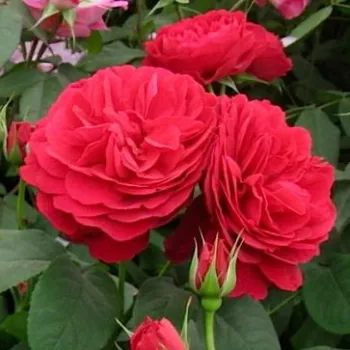
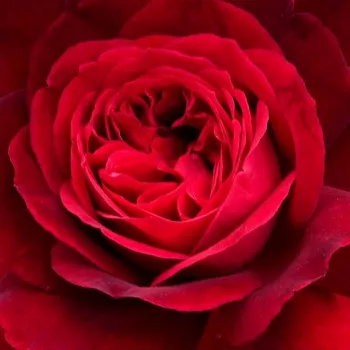
Large, very full, rosette-shaped clusters with 40+ petals; repeat-flowering with a strong second flush; inflorescences borne in clusters, suitable for cutting and for bold focal points in the border. |
| Colour data and phenology |
Deep crimson-red with purple tones; newly opened blooms are rich and velvety, deepening near the base; colour holds well, though warmth may shift tones towards magenta or raspberry in strong sun. |
| Fragrance and aroma |
Very strongly scented with a long-lasting perfume typical of traditional English roses; primarily ornamental, as the densely double blooms enclose the stamens and offer limited resources for pollinators. |
| Hip characteristics |
Double flowers reduce hip set; where pollinated, small bottle-shaped red hips 6–9 mm may form, usually in modest numbers and of minor visual significance compared with the main floral display. |
| Resistance and winter hardiness |
Hardy to around −26 to −23 °C (RHS H7, Swedish zone 4, USDA 5b); disease resistance generally medium, with good black spot resistance; needs regular watering in prolonged drought and spring frost protection. |
| Horticultural recommendations |
Best at 80–150 cm spacing depending on use; suitable for beds, mixed borders, hedges and cutting; thrives in sun to partial shade; benefits from deadheading and occasional pest management for peak display. |
Leonard Dudley Braithwaite offers bushy, space-efficient growth, richly scented crimson blooms and long-lived own-root stamina; a thoughtful option if you would like enduring, romantic colour with manageable care.