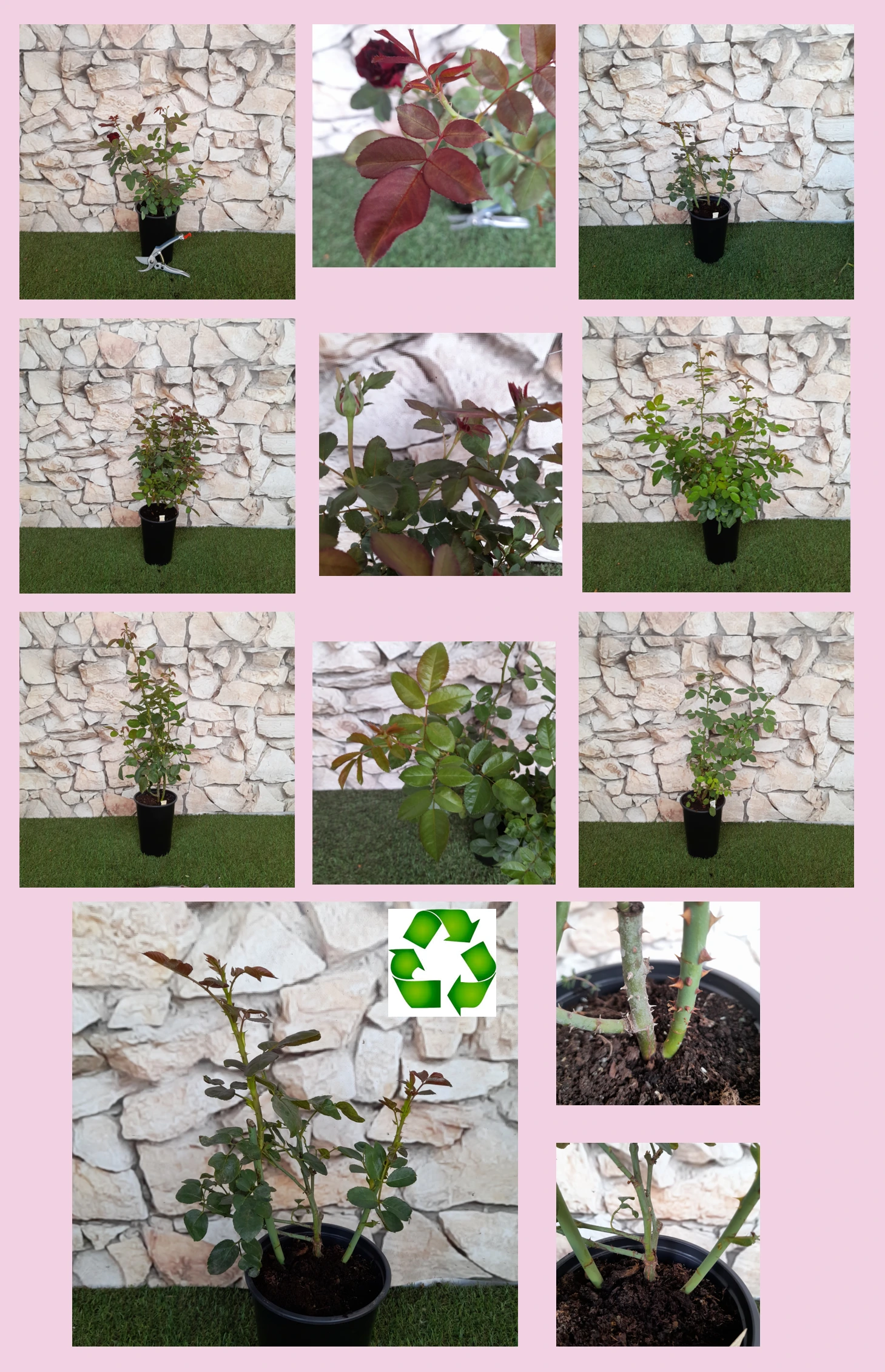
Lavender Pinocchio – purple bedding floribunda rose
Lavender Pinocchio creates a softly romantic focus in a family garden, its mid‑purple, semi‑double clusters lending an air of timeless charm to beds and borders without demanding expert care. This compact yet airy shrub settles well even where soils are heavier and winds brisk, giving you reassuring stability in changeable weather and coastal conditions. As an own‑root plant, it builds a dependable framework that supports long‑term flowering, with graceful flushes that repeat through summer. The classic, mildly scented blooms lend a relaxed elegance to cottage‑style planting, while the bushy habit keeps the overall picture neat and balanced in smaller plots. Over time the root system strengthens, the framework fills out, and by the third season the rose shows its full ornamental presence in your garden. Container‑grown in a 2‑litre pot, it is straightforward to plant at almost any time the ground is workable, allowing you to introduce this characterful floribunda exactly when it suits your plans.
Usage options
| Target area | Reasoning |
|---|
| Front‑of‑border cottage bedding |
The bushy, compact habit and moderate height make Lavender Pinocchio ideal for filling the front or mid‑front of a mixed cottage border, where its semi‑double clusters read clearly from a path. This structural neatness supports informal planting schemes without looking messy for beginners. |
| Mass planting in family gardens |
Consistent repeat flowering and reliable cluster production allow you to create broad sweeps of colour in average‑sized gardens, with plants placed at the recommended spacing for a cohesive, carpet‑like effect. This works especially well for those seeking easy visual impact with limited‑time. |
| Feature rose near seating or terrace |
The mild, classic rose fragrance and storybook lavender‑purple shades suit planting close to a seating area, where flowers can be enjoyed at eye level without being overpowering. Its tidy outline helps maintain a calm, orderly atmosphere appreciated by homeowners. |
| Mixed rose and shrub hedging |
The dense mid‑green foliage and moderately thorny stems build into a soft, semi‑formal line when planted at hedge spacing, giving both visual enclosure and a romantic, flowering boundary. This living edging appeals to those who value traditional character in family‑spaces. |
| Large containers on patios |
In a substantial container of at least 40–50 litres, this compact floribunda maintains good proportion, with enough root room to sustain repeat blooms through summer. The own‑root form copes well with occasional repotting, suiting urban patios managed by busy‑owners. |
| Colour accent in kitchen or herb garden |
The soft lavender‑purple tones harmonise beautifully with culinary herbs and cottage perennials, creating a romantic accent beside vegetable beds or a path to the back door. Its manageable size ensures it will not overwhelm productive areas valued by kitchen‑gardeners. |
| Rose bed with classic companions |
Planted with low evergreens and airy perennials, its uniform bloom colour and semi‑double form provide rhythm and depth. The rose forms a dependable backbone, allowing you to refresh companion plants over time without losing the overall framework cherished by long‑term planners. |
| Weather‑exposed suburban plots |
The sturdy framework and moderate height reduce wind rock, while its ability to settle into heavier soil offers reassuring performance where drainage has been improved but conditions remain challenging. This resilience is particularly reassuring for coastal and open‑site gardeners. |
Styling ideas
- Cottage‑border drift – Arrange small groups of Lavender Pinocchio along a curved border, weaving between foxgloves and hardy geraniums for a soft, storybook line – ideal for romantically inclined homeowners.
- Patio focal pot – Plant one rose in a 50‑litre terracotta container, underplant with trailing thyme and lobelia to frame summer blooms – suited to balcony and terrace gardeners.
- Kitchen‑garden edge – Use a loose row beside vegetable beds, backed by herbs like sage and rosemary, to blur the line between productive and ornamental spaces – perfect for rural kitchen‑garden keepers.
- Lavender ribbon – Create a low ribbon of shrubs along a path, interspersed with dwarf artemisia and Coreopsis verticillata, for a gently shimmering purple‑and‑silver scheme – appealing to lovers of soft colour palettes.
- Romantic seating nook – Flank a small bench or arbour with pairs of this rose, filling gaps with catmint and soft grasses to build a cosy afternoon‑tea corner – suited to those seeking a quiet retreat.
Technical cultivar profile
| Parameter | Data |
|---|
| Name and registration |
Lavender Pinocchio – bedding floribunda rose, floribunda/shrub group. Registered cultivar name Lavender Pinocchio; American Rose Society exhibition name Lavender Pinocchio; unregistered for formal registration. |
| Origin and breeding |
Bred by Eugene S. Boerner for Jackson & Perkins Company, USA. Introduced in 1948 from the cross ‘Pinocchio’ × ‘Grey Pearl’. Developed as a bedding floribunda with distinctive lavender‑purple colour. |
| Growth and structural characteristics |
Bushy, compact shrub reaching about 100–140 cm in height, spreading 75–105 cm. Dense, mid‑green foliage with slight gloss, moderately thorny shoots, forming a well‑branched, tidy framework for bedding use. |
| Flower morphology |
Semi‑double, cup‑shaped blooms with around 13–25 petals, medium‑sized clusters on branching stems. Flowers repeat well through the season, giving a reliable second flush and suitable stems for informal cutting. |
| Colour data and phenology |
Lavender‑purple buds open to mid lilac flowers (RHS 75C–75A), slightly darker at petal base. Colour softens to pale lavender‑pink with a silvery lilac sheen before fading, offering gentle tonal variation on the bush. |
| Fragrance and aroma |
Delicate, classic rose fragrance of mild strength, noticeable at close range but not overpowering. Suits seating areas and mixed borders where a subtle scent is preferred over strong perfume in everyday family use. |
| Hip characteristics |
Rose hip set is generally low due to semi‑double flowers, though occasional spherical orange‑red hips of about 10–14 mm may appear. Ornamental effect is mainly from flowers rather than persistent autumn fruit. |
| Resistance and winter hardiness |
Rated medium for disease resistance, with moderate susceptibility to powdery mildew, black spot and rust. Hardy to approximately −21 to −18 °C (RHS H7, USDA 6b, Swedish zone 3) with standard garden winter protection. |
| Horticultural recommendations |
Best for beds and garden planting at 55–100 cm spacing, 2.4–2.7 plants/m² for mass effect. Maintenance is medium; occasional pest and disease checks advised. Prefers well‑drained soil and regular watering in dry spells. |
Lavender Pinocchio offers compact structure, repeat lavender blooms and gentle scent on a durable own‑root framework, making it a thoughtful long‑term choice for those planning a quietly romantic garden feature.