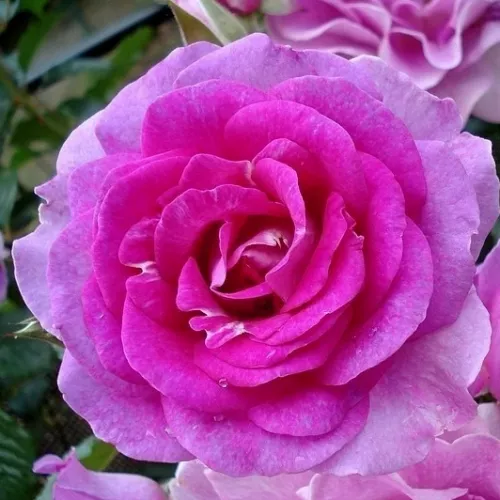
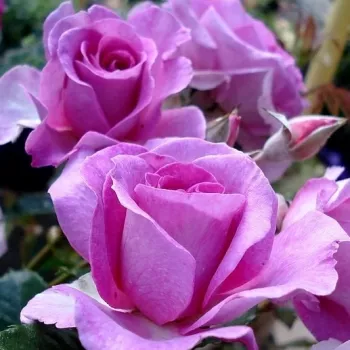
LAVANDE PARFUMÉE – mauve-lilac bedding floribunda rose
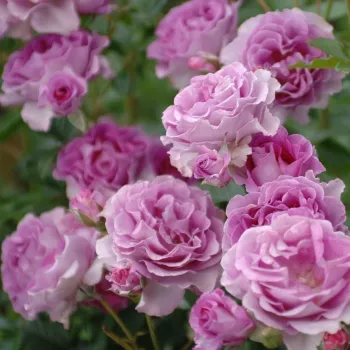
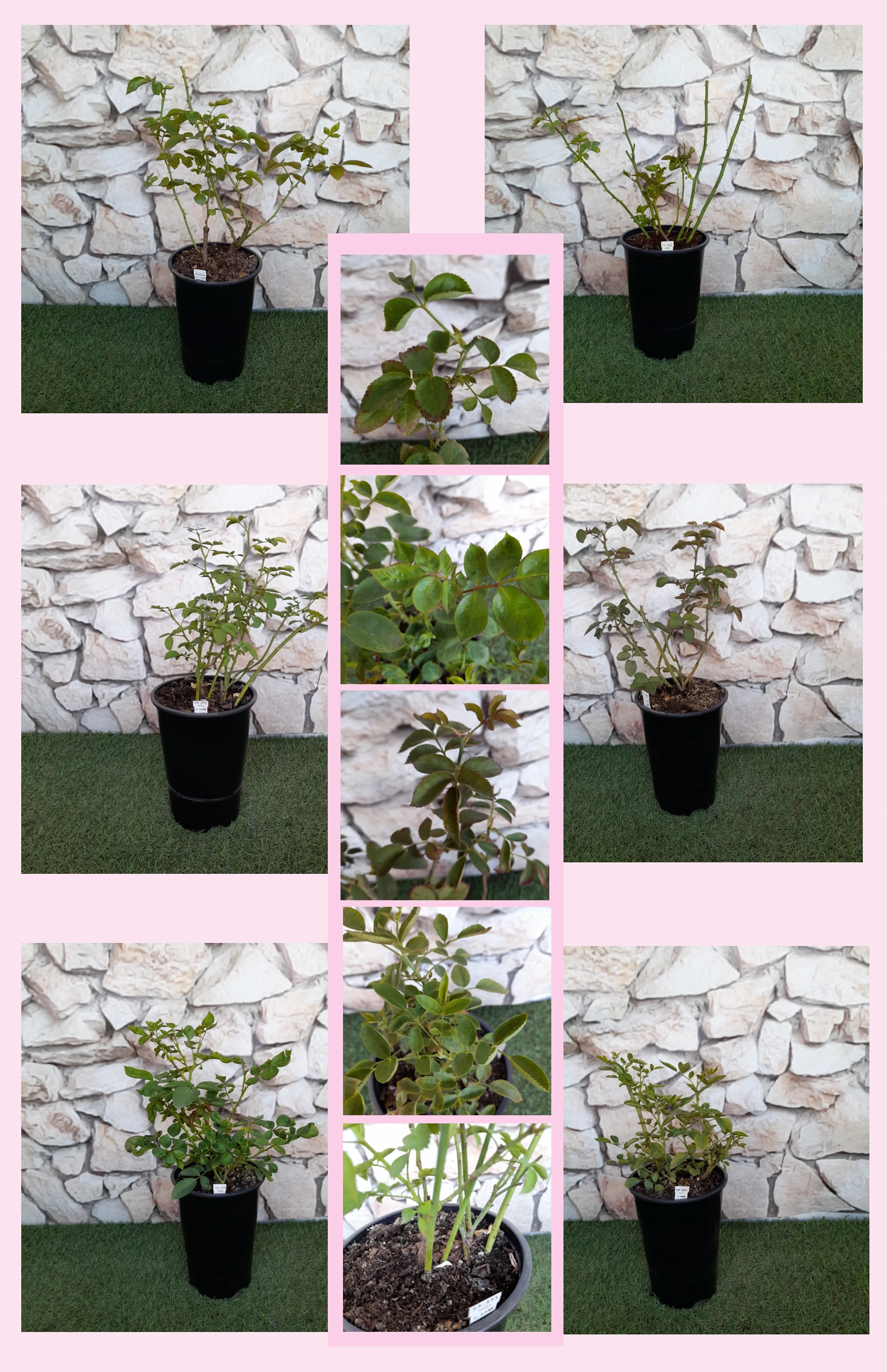
In a classic cottage setting, LAVANDE PARFUMÉE brings a haze of mauve-lilac blooms and a romantic, rose‑and‑lavender style scent to your afternoon‑tea corner, while coping reliably with breezy, rain‑washed conditions near the coast. This bushy floribunda builds a neat structure of dense, mid‑green foliage topped by clusters of cup-shaped flowers that repeat generously through summer, giving your borders a soft, storybook feel with little effort. As an own‑root plant it offers reassuring longevity and easy regeneration after harder pruning, so the shrub keeps its shape instead of becoming woody and tired. In a large container or well‑prepared border it settles quickly, then year by year develops from root establishment through stronger top growth into full garden impact.
Usage options
| Target area | Reasoning |
|---|
| Front-of-border cottage bedding |
The compact, bushy habit and dense foliage create a tidy front layer that softens paths and lawn edges without overwhelming smaller plots. Repeating clusters of medium blooms keep beds coloured between perennials, ideal for low‑maintenance cottage schemes for the busy gardener. |
| Perfumed seating and tea area |
The very strong, long‑lasting fragrance concentrates beautifully around benches, arbours and patio tables, evoking an old‑fashioned tearoom atmosphere. Frequent flowering means there is almost always scent on still evenings, appealing to romantic homeowners. |
| Small feature shrub in mixed planting |
Used singly at 70 cm spacing, the rounded structure and silvery‑mauve tones stand out amongst herbs, low grasses and kitchen‑garden planting. Own‑root resilience keeps the shrub attractive for years, making it a sound focal choice for family gardens. |
| Traditional lilac-toned colour scheme |
The cool, gentle mauve colouring pairs well with whites, soft blues and grey foliage for calm, “girly” borders. Flowers lighten slightly in strong sun yet retain their character in cooler spells, suiting UK changeable summers for cottage-style fans. |
| Medium to large containers on patio |
In a 40–50 litre or larger container, the upright, bushy form and frequent flowering give reliable colour near doors and seating. Own‑root growth responds well to occasional harder pruning, simplifying long‑term pot care for balcony and patio owners. |
| Low informal hedge or path edging |
Planted at 35 cm intervals, shrubs knit into a low, flowering line that frames vegetable plots or separates lawn from borders. The repeating rose flushes and dense foliage offer a soft boundary without harsh clipping for traditional-plot gardeners. |
| Family garden with exposed or coastal aspects |
The bushy structure and medium disease resistance cope steadily with damp, wind‑prone sites when combined with simple care like mulching and good drainage, providing dependable flowering even where rain and breeze often buffet beds for practical homeowners. |
| Cut flowers for the house |
Clusters of full, cupped blooms provide strongly scented stems for informal jugs and vases. Regular cutting or deadheading encourages new clusters, supporting the natural progression from establishing roots to fuller top growth and then sustained display for home arrangers. |
Styling ideas
- Lavender-Tea Border – Line a seating nook with this rose interplanted with English lavender and soft nepeta to echo its mauve tones and fragrance – ideal for scent‑loving cottage gardeners
- Kitchen-Garden Edge – Use as a low, informal hedge along vegetable beds, mixing with chives and sage so the lilac flowers contrast with edible greens – perfect for homely kitchen‑garden owners
- Pastel Evening Corner – Combine with white campanulas, pale pink geraniums and silver artemisia in a small border by a bench for a calm, twilight perfume focus – suited to romantic evening sitters
- Patio Feature Pot – Plant one rose in a 50‑litre terracotta pot, underplant with trailing thyme and soft grasses to highlight its bushy shape and repeat bloom – good for space‑conscious patio gardeners
- Storybook Mixed Shrubbery – Weave it among low honeysuckle, Japanese forest grass and hostas where the mauve flowers and scent bring depth beneath taller shrubs – appealing to lovers of layered planting
Technical cultivar profile
| Characteristic | Data |
|---|
| Name and registration |
Floribunda bedding rose, shrub type; registered as Dorvand, marketed as Lavande Parfumée. Belongs to the bedding rose collection and accepted for exhibition under this trade name. |
| Origin and breeding |
Bred by François Dorieux II at Roseraie Dorieux, Montagny, France; bred in 2006, introduced and registered in 2007, distributed initially by Roseraie Dorieux in the French market. |
| Awards and recognition |
Highly regarded for fragrance, winning multiple 2007 Bagatelle (Paris) prizes, including Coupe du Parfum, Rose la plus parfumée and Choix des Enfants, confirming strong public and jury appeal. |
| Growth and structural characteristics |
Bushy, upright shrub reaching about 85–115 cm high and 40–60 cm wide, with dense, mid‑green, matt foliage and moderate prickliness; forms a compact, well‑furnished plant suitable for bedding and low hedging. |
| Flower morphology |
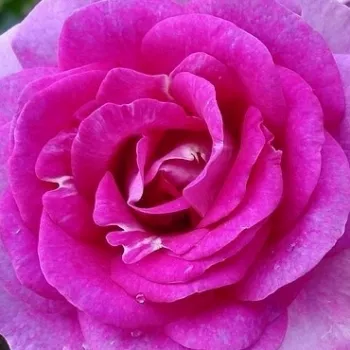
Full, double, cupped blooms with slightly frilled edges; about 26–30 petals, medium flower size, produced in clusters on branching stems. Remontant habit ensures an abundant second flush following the main flowering period. |
| Colour data and phenology |
Single‑coloured, cool mauve‑lilac with a subtle silvery sheen; buds open dark, then soften to pastel lilac tones. Colour lightens in strong sun, while cooler conditions preserve a richer purplish hue on shrubs through the season. |
| Fragrance and aroma |
Very strong, long‑lasting scent with a rosy character reminiscent of perfumery uses; fragrance is noticeable at a short distance, especially in still, warm air, making it suitable for scented borders and cutting for the house. |
| Hip characteristics |
Hip set is generally poor due to the full, double flowers; where formed, hips are small, around 0–4 mm diameter, with little ornamental effect, so the plant is grown primarily for its repeated floral and scent display. |
| Resistance and winter hardiness |
Medium resistance to black spot, powdery mildew and rust, benefiting from basic preventive care. Hardy to approximately −21 to −18 °C, corresponding to RHS H7 and USDA zone 6b, suitable for most UK garden conditions. |
| Horticultural recommendations |
Best in full sun with fertile, well‑drained soil; moderate watering in hot, dry spells. Remove spent blooms, as self‑cleaning is weak. Recommended spacings: 45 cm bedding, 35 cm hedging, 70 cm as a solitary feature plant. |
LAVANDE PARFUMÉE offers very strong fragrance, romantic mauve-lilac clusters and a compact, long-lived own-root shrub form; an assured choice if you would like a scented, traditional rose to enjoy for many years.