LAFAYETTE – dark pink bedding floribunda rose - Nonin
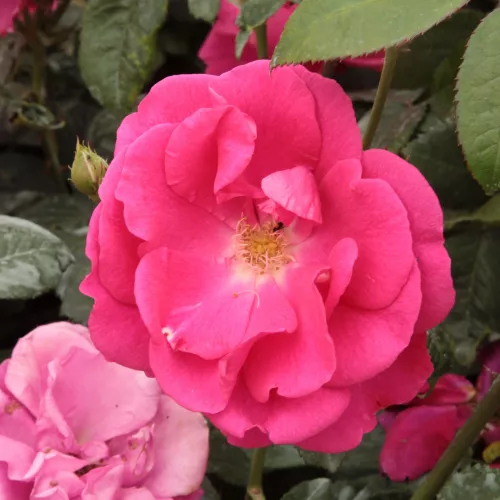
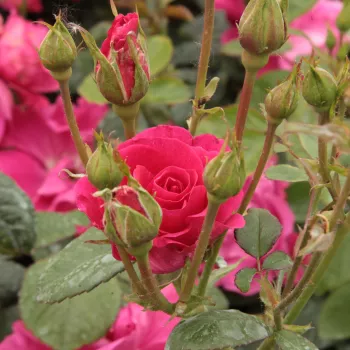
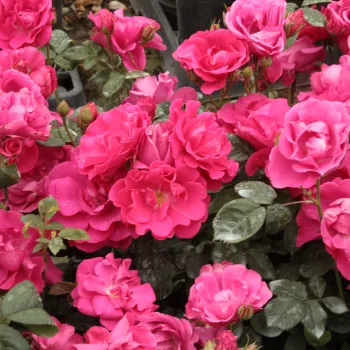
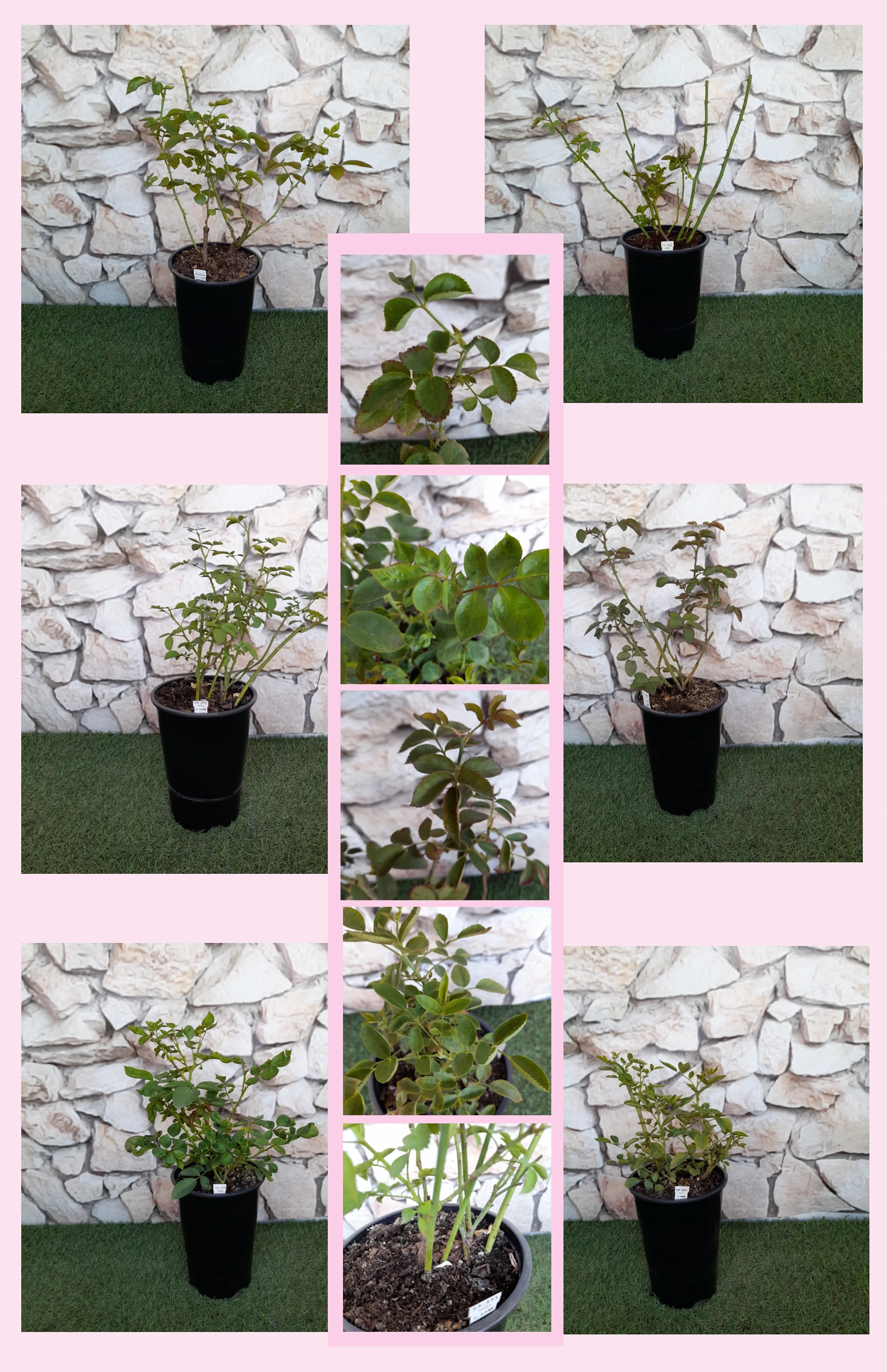
In a classic English-style border, Lafayette brings a quietly romantic presence to family gardens, with deep pink, velvety clusters that feel made for afternoon tea beneath an arbour. This early 20th‑century floribunda combines a bushy, upright habit with semi‑double, bee‑friendly blooms, so you gain both colour and gentle movement as petals fall cleanly and new buds appear. Container‑grown on its own roots in our 2‑litre format, it settles reliably into beds or raised areas where good drainage helps on heavier soils and in breezier, more coastal settings. Once planted, its moderate maintenance is straightforward: light pruning, feeding and the odd tidy‑up are enough for dependable repeat flowering in a typical family garden. Over the seasons, the own‑root structure quietly builds a long‑lived framework that can regenerate from the base, helping Lafayette keep its ornamental character even after harsher winters or the occasional pruning mistake. To support this, think in terms of steady development – first the roots, then stronger shoots, then the full cottage‑garden impact. In partial shade it still colours well, with silvery pink tones that feel especially romantic beside hedging or kitchen‑garden paths. Use a generous planting distance so the mature shrub can show its natural grace, creating that storybook feel without crowding nearby perennials.
Usage options
| Target area |
Reasoning |
| Feature rose in a small to medium front garden bed |
Lafayette’s bushy, upright shrub habit reaches around 1,4–1,8 m, giving enough height for a clear focal point without overwhelming a modest plot, while its matt mid‑green foliage frames the dark pink flowers attractively for visitors and passers‑by who enjoy a traditional cottage feel for their home. |
| Romantic floribunda bedding in a cottage-style border |
The cluster‑flowered heads carry medium‑sized, semi‑double blooms in rich deep pink that repeat well, so a small group planting reads as one generous wash of colour through the season, ideal for edging lawns or mixing through herbaceous perennials for gardeners seeking a classic, romantic border effect. |
| Rose and kitchen-garden paths with gentle fragrance |
The light, sweet fragrance adds a soft, unobtrusive scent along paths or near seating without clashing with herbs or vegetables, and its restrained perfume suits family gardens where you want a pleasant rose aroma rather than something overpowering that might trouble more scent‑sensitive household members. |
| Family garden with wildlife interest and pollinators |
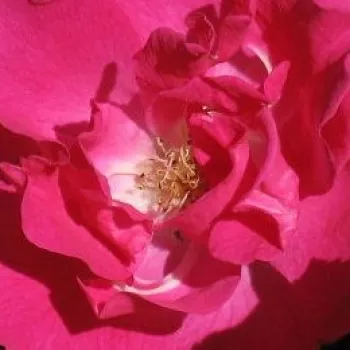
Semi‑double, cup‑shaped flowers expose their stamens, offering bees accessible pollen while still looking full enough for a decorative, “proper rose” appearance, making Lafayette a good compromise between ornamental impact and wildlife value for householders who want to support bees within a traditional garden style. |
| Spaces needing easy visual upkeep and tidy appearance |
Spent blooms tend to fall off naturally, so beds remain neat with less dead‑heading, helping busy or beginner gardeners maintain a well‑kept look around driveways and patios, and reducing the time needed for routine care during the working week for those who prefer straightforward, manageable garden tasks. |
| Family plots in cooler, exposed or breezier positions |
Good winter hardiness down to around –18 °C and a solid shrub framework help Lafayette cope with colder, windier sites; combined with suitable drainage in heavier soils it stays reliable from year to year, reassuring householders gardening in more open locations or slightly harsher local microclimates. |
| Long-term, resilient rose structure for established gardens |
As an own‑root rose, Lafayette can regenerate from its base after harder pruning or weather damage, maintaining true‑to‑type growth without the worry of rootstock suckers, which suits gardeners planning a long‑lived planting that will mature gracefully alongside hedges, fruit trees and other perennial features. |
| Large containers on patios, terraces or by the front door |
Its moderate maintenance needs and bushy habit work well in substantial containers of at least 40–50 litres, provided watering is consistent and drainage is good in breezier, more exposed areas, making it an attractive choice for those wanting an easy yet refined rose near everyday family seating or entrances. |
Styling ideas
- Kitchen-border romance – Line a kitchen-garden path with Lafayette under low box or herb hedging, echoing its dark pink clusters with chives and purple sage – ideal for cottage-garden cooks who like edible and ornamental plants intertwined.
- Evening-frontage glow – Plant a trio near a front path with white campanula and soft grasses to catch the last light on the velvety blooms – perfect for homeowners wanting a welcoming, storybook entrance.
- Bee-friendly nook – Combine Lafayette with lavender and Nepeta around a small bench, so semi-double flowers and accessible stamens draw in bees – suited to families who value wildlife as much as pretty borders.
- Raised-bed accent – Use a single plant in a brick or timber raised bed with alliums and salvias, giving height and structure without fuss – good for busy gardeners working with heavier clay soils.
- Container parlour – Grow Lafayette in a 50-litre terracotta pot with trailing thyme at the base beside a back-door step – appealing to urban or smaller-garden owners who need movable, easy-care colour.
Technical cultivar profile
| Parameter |
Data |
| Name and registration |
Lafayette is a floribunda bedding shrub rose, known in commerce as Lafayette – dark pink bedding floribunda rose – Nonin, an unregistered historic variety used primarily as a bed and border rose. |
| Origin and breeding |
Bred by Auguste Nonin & Fils in France from ‘Rödhätte’ × ‘Richmond’, introduced in 1918 in France and 1923 in Australia (as ‘Joseph Guy’), and supplied here as a verified own-root clone. |
| Awards and recognition |
Recognised early for garden merit, Lafayette received a Certificat de Mérite at the Bagatelle (Paris) rose trials in 1918, reflecting its decorative value and reliable bedding performance. |
| Growth and structural characteristics |
Bushy shrub reaching about 140–180 cm high and 105–135 cm wide, with moderately dense, matt mid‑green foliage and moderate prickles, forming an upright, well-branched structure suitable for beds and hedging. |
| Flower morphology |
Medium, semi-double, cup-shaped blooms with around 13–25 petals are carried in clusters, with remontant flowering that produces a good second flush after the main display when reasonably maintained. |
| Colour data and phenology |
Flowers open deep pink with a scarlet hint (RHS 53A–53B), then fade to mid‑pink with silvery tones; colour holds reasonably well, though in strong sunlight blooms lighten for a softer, romantic effect. |
| Fragrance and aroma |
The scent is mild with a light, sweet character, noticeable at close range without dominating surrounding plants or seating areas, making it suitable for mixed borders and family spaces sensitive to strong perfume. |
| Hip characteristics |
Produces spherical, orange-red hips around 10–14 mm across in moderate numbers, adding subtle late-season interest and a traditional rose-garden look without becoming untidy or over-seeding. |
| Resistance and winter hardiness |
Hardy to approximately –21 to –18 °C (RHS H7, USDA 6b), with moderate resistance to powdery mildew, black spot and rust; benefits from standard preventive care in humid or high-pressure disease periods. |
| Horticultural recommendations |
Best in beds, edging and specimen roles, at 100–180 cm spacing; tolerates partial shade, prefers well-drained soil, and needs only medium maintenance with occasional plant protection and routine pruning. |
LAFAYETTE – dark pink bedding floribunda rose - Nonin offers bushy structure, repeat flowering and reliable own-root durability for long-term family borders and containers, making it a thoughtful choice for a gently romantic, easy-going garden.