LA CHANCE D'AMOUR – peach-pink hybrid tea rose – Interplant
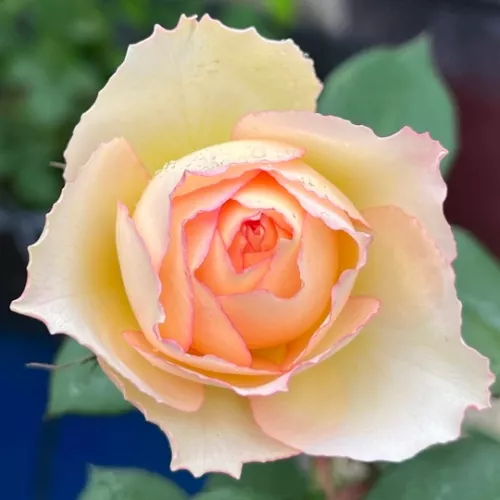
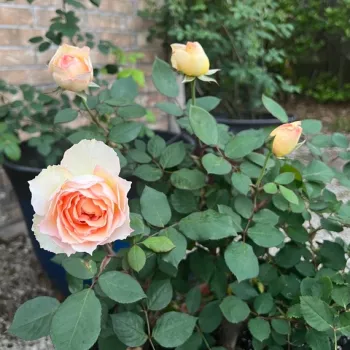
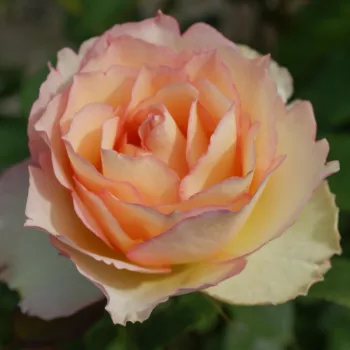
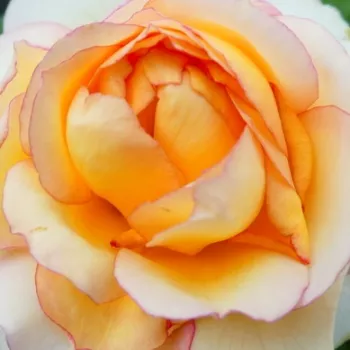
Romantic storybook arches and cottage borders suit LA CHANCE D’AMOUR, a peach‑pink hybrid tea bred for elegance and reliable garden performance on its own roots. Its upright, medium‑sized habit fits typical family plots, while double, cup‑shaped blooms offer classic cut-flowers for afternoon tea tables and kitchen vases. The petals open blush‑peach then soften towards cream, giving a gentle pastel palette that blends easily with hedging, herbs and kitchen‑garden planting. Heat‑tolerant and steady under coastal breezes and rainy spells, it copes well where wind and showers often test other roses. Own‑root plants regenerate from the base, supporting a long‑lived, stable shrub that responds flexibly to light or harder pruning. With moderate disease resistance and only occasional pest checks, care remains manageable, even for busy owners. In your first three years you will see roots establish, then stronger shoots, then full, dependable flowering, giving the feeling of a settled, mature rose without complicated upkeep.
Usage options
| Target area |
Reasoning |
| Feature rose near a seating area or arbour |
The upright, medium height and classical hybrid tea blooms create a romantic focal point beside benches, arbours or pergolas, ideal for afternoon tea corners in a family garden. Own-root plants regrow steadily if stems are damaged, so the structure remains reliable for years – lovers of romantic cottage style |
| Cutting patch in a small family garden |
Solitary, long-stemmed flowers with a refined cup shape are well suited to cutting, yet the shrub remains compact enough for modest borders. Regular deadheading after harvest encourages repeat flushes without complex pruning, giving a steady supply of pastel bouquet stems – hobby gardeners who enjoy home-cut flowers |
| Mixed cottage border with herbs and perennials |
The soft peach-pink tones blend easily with cranesbill, strawflower and cottage herbs, while the moderately dense mid-green foliage provides a calm backdrop. Planting on a slight mound or in improved soil helps it cope with frequent rain and breezy, changeable weather – owners of traditional mixed borders |
| Sunny front garden for kerb appeal |
Its tidy, upright form and 80–110 cm height keep paths clear while still reading clearly from the street. Heat tolerance and moderate drought resilience mean it stays presentable beside paving or driveways, provided it receives deep watering in prolonged dry spells – busy urban homeowners |
| Large container on terrace or patio |
LA CHANCE D’AMOUR adapts well to life in a generous container, provided you choose a pot of at least 40–50 litres with good drainage. This size supports root depth and moisture balance, helping own-root plants build a lasting framework and reliable flowering on balconies and terraces – apartment and townhouse gardeners |
| Small rose hedge or loose boundary line |
The recommended 50–60 cm spacing creates a soft, flowering line that can edge a kitchen garden or divide lawn from beds. Own-root growth ensures that, if gaps appear over time, new shoots arise from the base, maintaining an even, low hedge with only moderate trimming – families wanting gentle structure |
| Low-maintenance focal point in clay or chalky soils |
Once established, this rose’s good heat and moderate drought tolerance help it manage typical summer dry spells in heavier or chalky ground, where watering can be less frequent. Raising the bed or improving drainage at planting reduces effort later and supports steady long-term growth – gardeners dealing with difficult soils |
| Long-term investment planting for enduring structure |
As an own-root hybrid tea, it does not rely on a graft union and can regenerate from its own base, supporting a long lifespan if simply watered, mulched and lightly pruned each winter. Over seasons, this creates a stable, medium shrub that anchors planting schemes with dependable repeat blooms – buyers seeking durable plantings |
Styling ideas
- ArbourElegance – train LA CHANCE D’AMOUR near a light metal arbour, underplant with fragrant cranesbill and thyme, and place a small bistro set beneath for afternoon tea – ideal for romantic cottage-garden enthusiasts
- PastelParterre – arrange three plants in a triangle within a small formal bed, edging with low box or lavender for structure while the pastel blooms soften the layout – suited to owners keen on classic symmetry
- KitchenCorner – position as a focal point by raised vegetable beds, pairing with Italian strawflower and herbs so you can cut both roses and kitchen stems from one spot – perfect for rural kitchen-garden keepers
- TerraceStatement – plant a single shrub in a 50-litre terracotta pot with trailing thyme around the rim, creating a portable, fragrant accent close to seating – great for balcony and patio gardeners
- SoftScreen – line several shrubs along a low fence with guelder-rose at intervals, blending the structured hedge with looser shrubs for privacy that still feels light and welcoming – best for families wanting gentle screening
Technical cultivar profile
| Property |
Data |
| Name and registration |
Hybrid tea rose; registered as INTercombig, marketed as La Chance d'Amour Holiday Island® INTercombig, ARS exhibition name ‘Euphoria’; French name meaning ‘The Chance of Love’. |
| Origin and breeding |
Bred and introduced by Interplant Roses B.V. in the Netherlands in 2006; parentage not disclosed; developed originally for exhibition and cutting, now offered as a garden shrub. |
| Awards and recognition |
Gold medal Baden-Baden 2006; Gold medal Rome 2007; Salvatore Talia Award Rome 2007; Angels without Wings special prize Rome 2007, highlighting exhibition-quality blooms and garden merit. |
| Growth and structural characteristics |
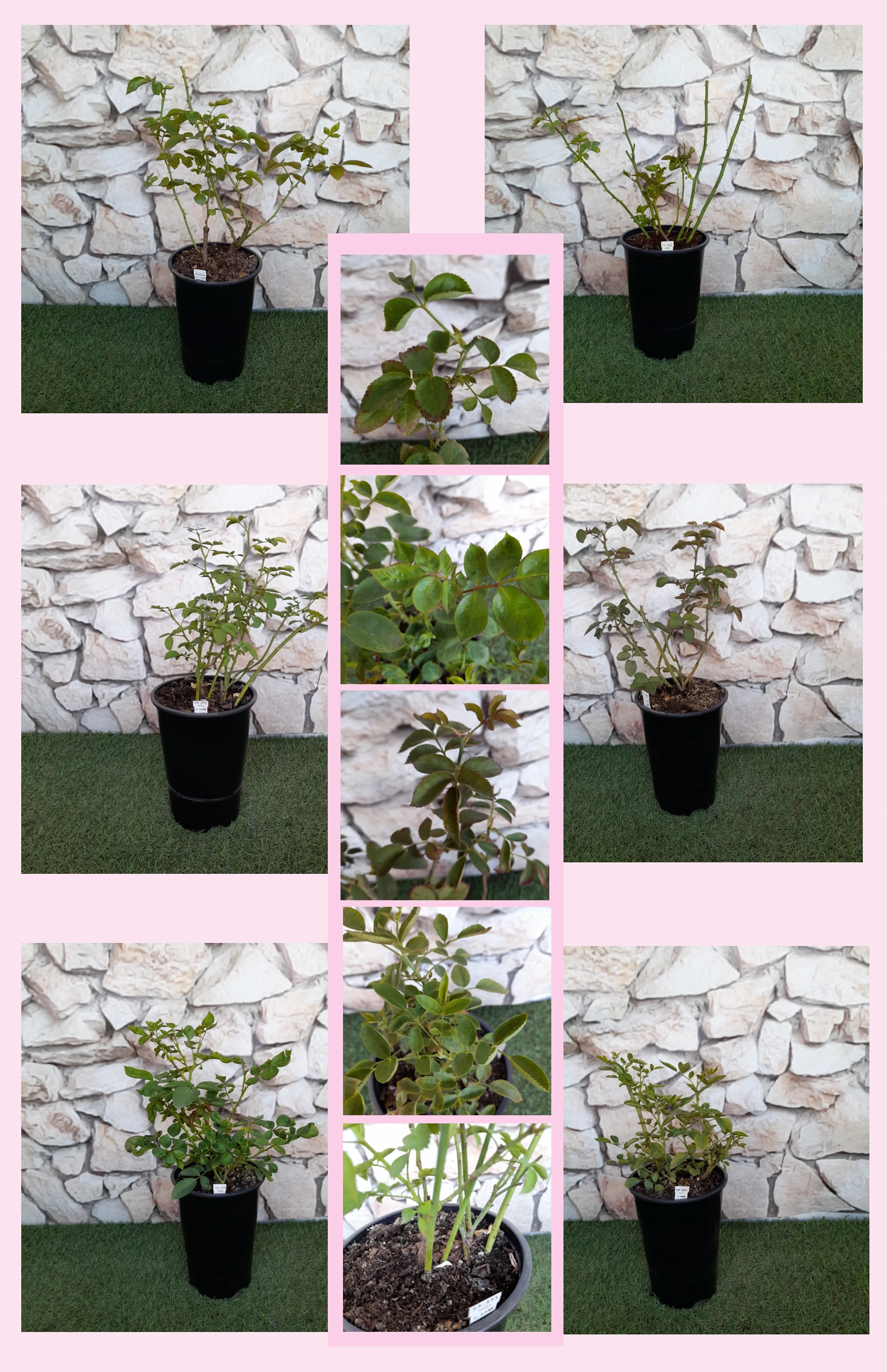
Upright, medium-sized shrub 80–110 cm high and 50–75 cm wide, with moderately dense, slightly glossy mid-green foliage and moderate thorns; self-cleaning is weak, so spent blooms benefit from deadheading. |
| Flower morphology |
Double flowers with 26–39 petals, medium size (about 4–7 cm), solitary on stems, with cup-shaped form and gently ruffled edges; repeat-flowering with a notably generous second flush in suitable conditions. |
| Colour data and phenology |
Peach-pink blooms with creamy-yellow centre tones (RHS 36C outer, 35D inner); buds creamy-yellow veiled with pink; colours soften to creamy yellowish-white and can fade more quickly under strong sun. |
| Fragrance and aroma |
Fragrance is very weak and barely perceptible, so the variety is chosen primarily for visual impact and cutting rather than scent; double blooms and tight centres make it only modestly attractive to pollinators. |
| Hip characteristics |
Rose hips form sparsely due to the full, double flowers; when present, they are spherical, about 8–12 mm across, with an orange-red colour that can add small decorative accents late in the season. |
| Resistance and winter hardiness |
Rated to approximately −23 to −21 °C (RHS H7, Swedish zone 3, USDA 6a); good heat tolerance and moderate drought resistance; powdery mildew and rust resistant, black spot moderate, so basic monitoring is advisable. |
| Horticultural recommendations |
Best in sunny sites at 50–60 cm spacing; suitable for borders, containers and cutting. Use deep watering, mulching and regular deadheading. In large pots, choose at least 40–50 litres with free-draining, fertile compost. |
LA CHANCE D'AMOUR offers romantic pastel blooms, good heat resilience and compact, versatile growth on a durable own-root framework; a thoughtful choice if you would like a long-lived, easy-care hybrid tea in your garden.