L'AMI DES JARDINS™ hybrid tea rose – Générosa® collection
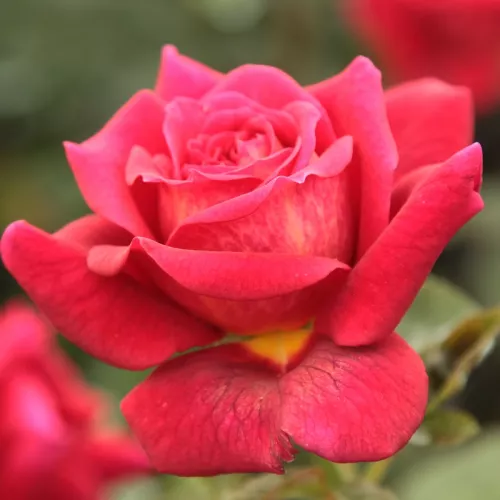
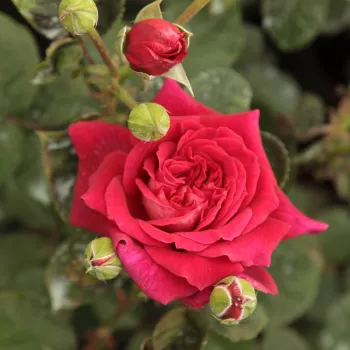
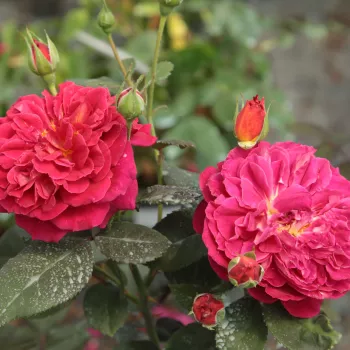
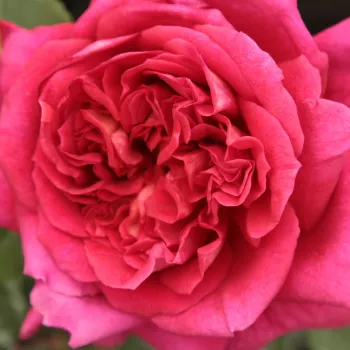
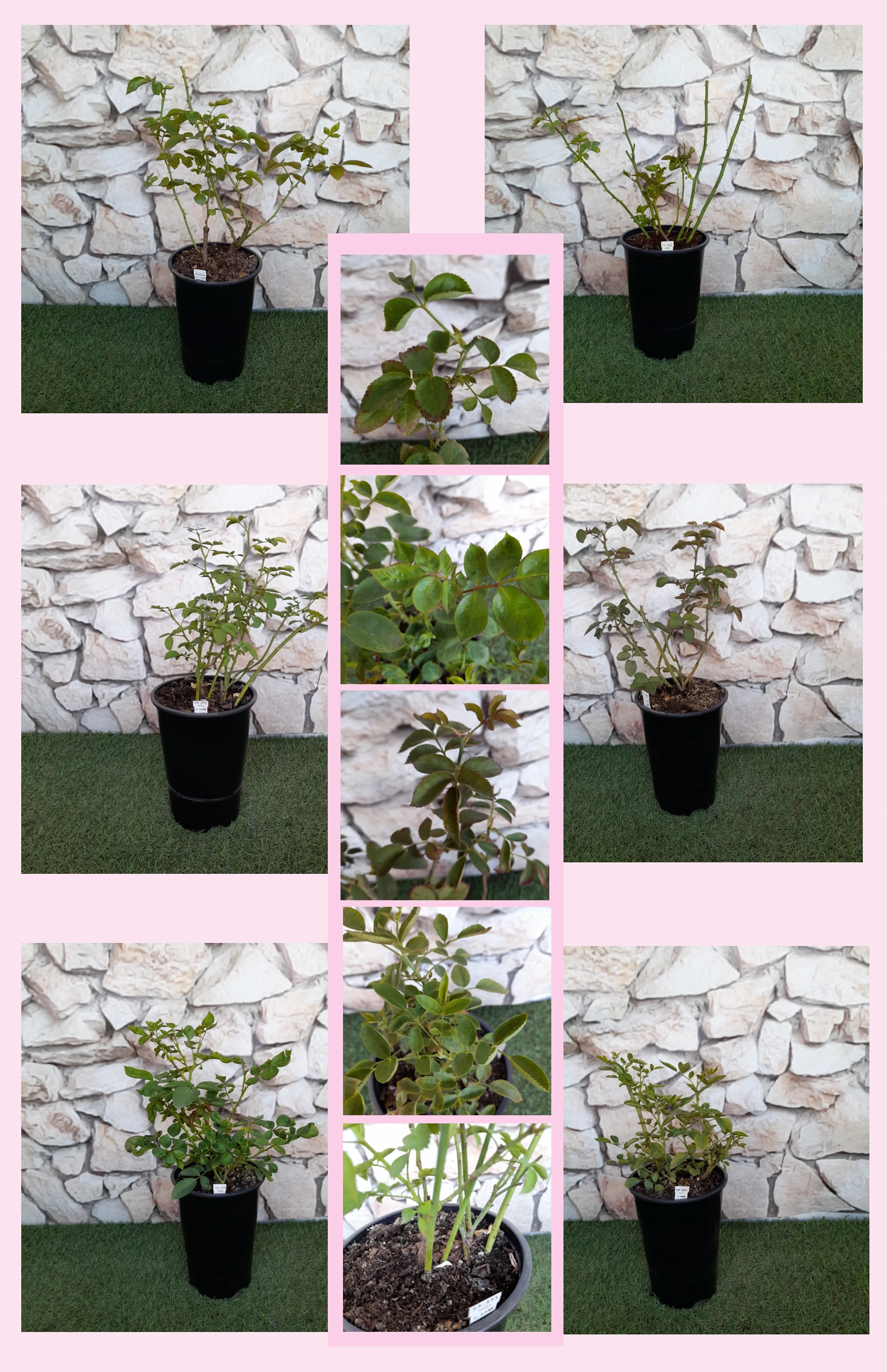
With its raspberry-red, semi-double blooms and gentle, fruity fragrance, L'AMI DES JARDINS™ brings an instant sense of cosy romance to a family garden, evoking relaxed afternoon tea beneath an arbour. This bushy hybrid tea rose forms a well-shaped shrub that fits effortlessly into traditional borders, cottage-style beds and kitchen-garden edges, while its remontant flowering ensures repeat displays through summer. On its own roots it matures into a particularly durable, regenerating plant that keeps its ornamental value for years with only medium care, ideal where you want beauty without constant fuss. It tolerates summer warmth and moderate dry spells, providing dependable colour even during periods of heat-stressed, low-rain weather in typical British conditions. Large, cupped blooms on long stems are perfect for cutting and arranging indoors, yet equally charming in the border. As the shrub develops, you can enjoy an easy-going rhythm of planting, light pruning and occasional feeding, watching it settle in, then build up flowering shoots and finally reach full garden presence in a natural progression from strengthening roots to expanding canopy and, by the third season, a generously ornamental display. Its warm red-and-gold colour play blends gracefully with soft pinks, creams and airy perennials for a truly storybook cottage look.
Usage options
| Target area |
Reasoning |
| Romantic focal point in a small to medium family garden |
This rose’s bushy 100–140 cm habit forms a natural focal shrub without overwhelming an average family plot, giving you a classic hybrid tea look in a compact, manageable size that suits busy but style-conscious homeowners |
| Cutting patch near the kitchen or terrace |
Large, cupped blooms with raspberry-red petals and warm yellow reverses sit on good stems for cutting, so a small row or group will supply vases with characterful garden roses for those who enjoy simple, home-grown floral arrangements |
| Cottage-style mixed border with perennials |
The semi-double flower form and medium height integrate well with cottage perennials such as gypsophila and verbena, creating a layered border that looks thought-through yet relaxed, ideal for lovers of traditional country-garden borders |
| Low, informal rose hedge or boundary |
Planted at 55–65 cm intervals, its bushy growth and moderately dense foliage build a softly defined hedge that frames lawns or paths while still letting light through, suiting families wanting gentle structure rather than rigid formality |
| Feature rose in a large container by seating areas |
In a 40–50 litre container with good drainage, this variety’s medium maintenance needs are easy to meet with simple watering and feeding, making it a rewarding choice for terraces and patios used by busy urban gardeners |
| Long-term, low-fuss planting for settled gardens |
As an own-root rose, it ages gracefully, regrowing strongly from the base if ever cut back hard and avoiding graft-related issues, which suits those planning a long-lived planting rather than frequently replacing established shrubs |
| Sunny, warm spots that can dry out between showers |
This cultivar tolerates heat well and withstands moderate drought, staying reliable through typical British dry spells between rainfall, well suited to beds that warm up quickly or are prone to occasional dryness |
| Lightly tended family border with simple seasonal tasks |
Medium maintenance and moderate disease resistance mean it fits gardens where you can manage basic pruning, watering and, when needed, light protection, yet still expect dependable flowering and shape, attractive for newer or time-poor gardeners |
Styling ideas
- Cottage Archway – Train a pair of shrubs near a rose arch, underplant with lavender and catmint for a fragrant, hazy skirt – ideal for romantic cottage-garden enthusiasts.
- Kitchen-Posy Row – Plant a short row along the kitchen path, mixing with herbs like sage and chives to cut both flowers and foliage – perfect for home cooks who love fresh arrangements.
- Soft Hedge Line – Use at 55 cm spacing with box or low yew at the back, adding gypsophila ‘Festival Pink Lady’ between plants – suited to those wanting a gentle, traditional boundary.
- Patio Feature Pot – One plant in a 50 litre terracotta pot, underplanted with trailing thyme and white verbena, brings colour and scent to seating areas – great for terrace-focused city dwellers.
- Storybook Corner – Combine with creamy roses, foxgloves and rustic obelisks to create a small “secret” nook with a bench – appealing to families seeking a fairytale reading spot outdoors.
Technical cultivar profile
| Parameter |
Data |
| Name and registration |
L'AMI DES JARDINS™ Générosa®, hybrid tea rose; registered as GUIlladjar, commercial type hybrid tea rose; included in darinaROSE® ORIGINAL 2-litre own-root range for gardens. |
| Origin and breeding |
Bred by Dominique Massad for Roseraies Pierre Guillot, France; introduced and registered in 2010 by Guillot, with parentage not disclosed but aligned with the Générosa® collection profile. |
| Growth and structural characteristics |
Bushy shrub 100–140 cm high and 75–105 cm wide, moderately dense, dark green, slightly glossy foliage, medium prickliness, forming a balanced, upright bush for borders or low hedging. |
| Flower morphology |
Semi-double, cupped blooms with 13–25 petals, large flower size around 7–10 cm, borne mostly in clusters; remontant with a main flush and a lighter second flowering later in the season. |
| Colour data and phenology |
Intense raspberry-red overall tone with golden-yellow petal reverses; colour holds well, fading only slightly to rose-red while the warm yellow underside becomes more visible in full sun. |
| Fragrance and aroma |
Medium-strength, clearly noticeable scent with a raspberry, fruity character; perceptible in the garden and on cut stems, adding sensory interest without being overpowering near seating. |
| Hip characteristics |
Produces moderately abundant, ellipsoid hips 12–18 mm across, orange-red when ripe, offering modest ornamental autumn interest and some wildlife value if deadheading is reduced. |
| Resistance and winter hardiness |
Hardy to approximately -21 to -18 °C (RHS H7, USDA 6b, Swedish zone 3); moderate disease resistance, with average tolerance to black spot, mildew and rust under typical garden conditions. |
| Horticultural recommendations |
Best in sunny positions with fertile, well-drained soil; medium maintenance, occasional plant protection beneficial; space 55–100 cm depending on use, water in prolonged drought and feed annually. |
L'AMI DES JARDINS™ offers romantic raspberry-red blooms for cutting, a compact, bushy habit, and the dependable longevity of an own-root rose, making it a thoughtful choice for long-term, low-fuss cottage-style planting.