KORDES' PERFECTA® – cream-pink hybrid tea rose – Kordes
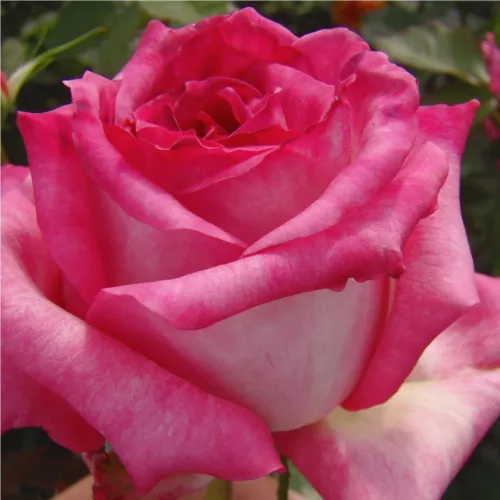
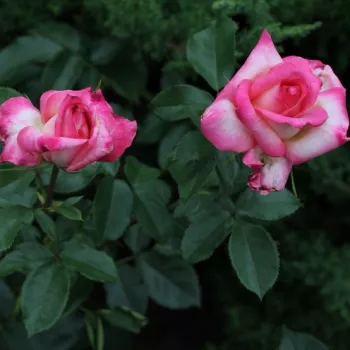
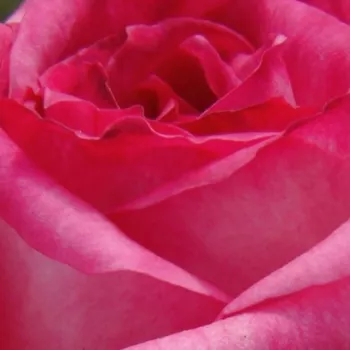
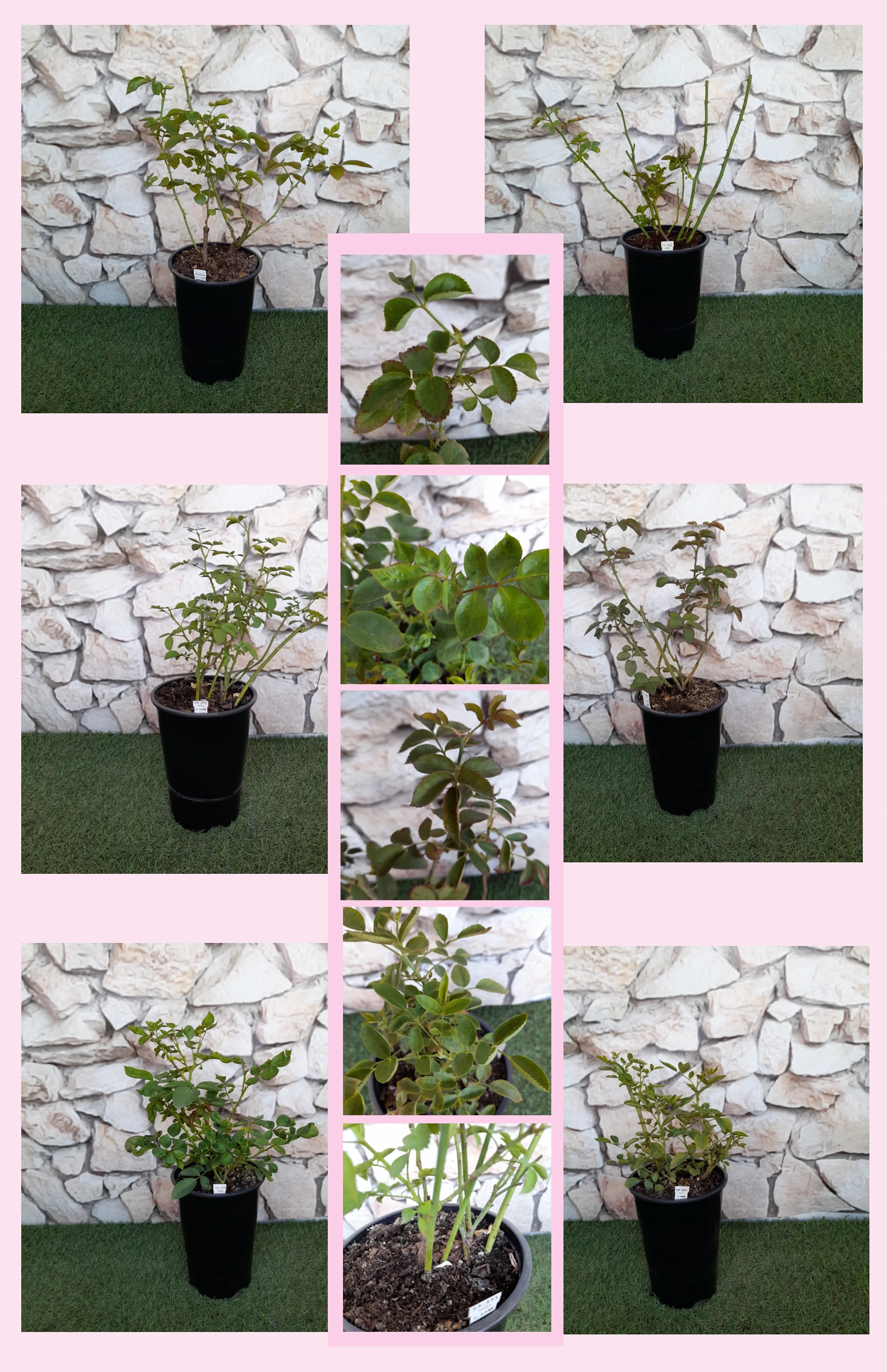
Imagine afternoon tea beneath an arbour as Perfecta gathers creamy, pink-edged blooms around you: an easy-going hybrid tea bred for romance rather than hard work. Its upright habit suits modest British plots, and its own-root form brings reassuring longevity, quietly rebuilding from the base if stems are damaged. Over the seasons it forms dense, glossy, dark green foliage that frames each high-centred flower, while the strong, fruity-tea fragrance drifts towards the house. This potted, container-grown rose is simple to establish in borders or large 40–50 litre pots, even where gardens face brisk coastal winds and frequent rainfall. Once settled, flowering is dependably remontant from early summer to autumn, and the plant strengthens steadily – first rooting well, then building top growth, then revealing its full cottage-garden presence within three years.
Usage options
| Target area | Reasoning |
|---|
| Main focal rose in a small front garden |
The upright, medium-tall habit and dense, glossy foliage create a clear focal point without overwhelming a modest plot, while the bicolour blooms read well from the pavement; ideal for those who want classic structure with minimal fuss for the family gardener |
| Romantic cottage-style mixed border |
Strong repeat flowering and the creamy, pink-edged flowers weave naturally among perennials, giving continuous colour that suits foxgloves and airy cottage plants, with own-root resilience supporting long-term planting schemes for the cottage-garden enthusiast |
| Cutting patch for home-arranged flowers |
High-centred, exhibition-style blooms on straight stems provide elegant flowers for vases, while remontant flushes ensure a steady supply through summer, so the garden can spare stems for the house without leaving gaps for the home flower arranger |
| Large container on terrace or patio (40–50 litres) |
Its upright growth and strong scent make it ideal beside seating or doors, where deep containers support root depth and moisture balance, giving easy access to fragrance and colour in paved or courtyard spaces for the busy urban owner |
| Specimen rose near seating or arbour |
Planted by a bench or arched walkway, the strong fruity-tea fragrance and pastel cream-pink flowers enhance afternoon tea moments, while own-root growth ensures recovery after pruning or weather damage for the lover of scented gardens |
| Traditional hedge or loose flowering row |
At 120–160 cm with dense foliage, plants spaced in a row form a romantic, flowered boundary that blends well with cottage hedging, the repeat flushes softening fences while roots anchor well even where soil is regularly wind-swept and rain-lashed for the traditionalist homeowner |
| Long-term planting in family gardens |
The own-root form supports a long lifespan, regenerating from the base if canes age or are pruned hard; once established, care is mainly deadheading and occasional feeding, giving stable ornamental value over many years for the time-poor gardener |
| Roses in heavier or challenging soils |
Planted in improved, freely draining holes or raised beds on clay or chalk, this variety rewards preparation with reliable flowering and moderate disease resistance, maturing from strong roots to full top growth over successive seasons for the practical garden planner |
Styling ideas
- Cottage-Classic – Underplant with foxgloves, lady’s mantle and soft grasses to echo its cream-and-pink bicolour and create a hazy, romantic border – ideal for those building an English cottage look.
- Arbour-Romance – Position KORDES' PERFECTA® at each side of a simple timber arch, with a light clematis weaving above, to enjoy fragrance and refined blooms at head height – suits tea-and-book garden corners.
- Front-Door – Grow one plant in a 40–50 litre pot each side of the entrance, combining with trailing violas or ivy for year-round softness – perfect for homeowners wanting instant kerbside charm.
- Cutting-Bed – Line a narrow bed with repeated plants and companion low herbs, giving a dedicated source of high-centred flowers for arranging without disturbing main borders – best for home florists.
- Kitchen-Garden-Edge – Use as a scented, structural edge to a vegetable plot, mixing with currant bushes and herbs so the roses lend both fragrance and formality – appealing to kitchen-garden romantics.
Technical cultivar profile
| Parameter | Data |
|---|
| Name and registration |
Hybrid tea rose, registered as KORalu, marketed as Kordes' Perfecta®; exhibition hybrid tea for garden and cutting use, with American Rose Society exhibition name Kordes’ Perfecta. |
| Origin and breeding |
Bred by Reimer Kordes, W. Kordes’ Söhne, Germany, from ‘Golden Scepter’ × ‘Karl Herbst’; introduced 1957 by Kordes and Jackson & Perkins into European and North American markets. |
| Awards and recognition |
Highly decorated mid-century hybrid tea: Madrid Certificate of Merit and RNRS Gold Medal in 1957, PIT President’s International Trophy 1957, and Portland Gold Medal 1958 for garden and exhibition performance. |
| Growth and structural characteristics |
Vigorous, upright bush 120–160 cm high and 80–120 cm wide, densely thorned with dark, glossy foliage; best in full sun with space for air circulation and staking in exposed, windy sites. |
| Flower morphology |
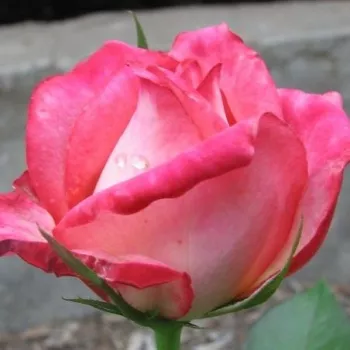
High-centred, pointed-bud hybrid tea flowers, very double with 40+ petals, typically borne singly on stems, medium-sized at around 4–7 cm, with weak self-cleaning so spent blooms benefit from regular deadheading. |
| Colour data and phenology |
Cream base with vivid carmine-pink petal edges; buds butter-yellow to deep pink, newly opened blooms brighter, then softening to pastel cream and faint pink, with some lightening and edge fading in strong, prolonged sun. |
| Fragrance and aroma |
Strongly scented for a hybrid tea, with a slightly sweet, fruity-tea character; ideal near paths, seating and doors where warm air and sheltered aspects help concentrate and carry the perfume. |
| Hip characteristics |
Hip set is sparse due to the very double flowers; where pollinated, produces small ellipsoidal orange-red hips about 13–17 mm across, mainly of ornamental interest later in the season. |
| Resistance and winter hardiness |
Hardy to around −21 °C (RHS H7, USDA 6b, Swedish Zone 3); resistant to black spot and powdery mildew, moderate against rust; appreciates regular watering and mulching in prolonged heat or drought. |
| Horticultural recommendations |
Best in sunny, well-drained rose soil with added organic matter; space 60–110 cm apart depending on use, prune annually for shape and renewal, and feed in spring to support remontant flowering and strong regrowth. |
KORDES' PERFECTA® offers refined cream-and-pink blooms, strong fragrance and reliable remontant flowering on a long-lived, own-root plant that settles securely into family gardens; an excellent choice if you favour quietly enduring beauty.