KESSI – carmine-pink groundcover rose - Schultheis & Bennett
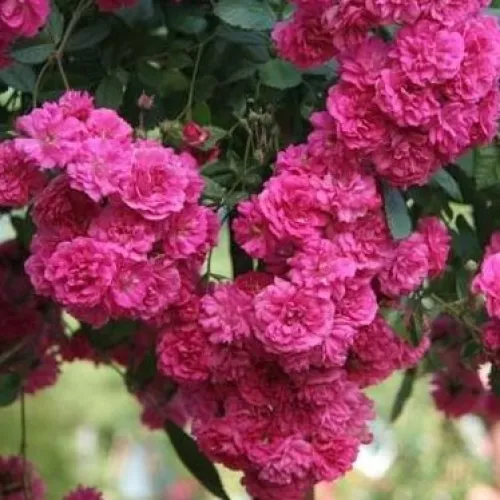
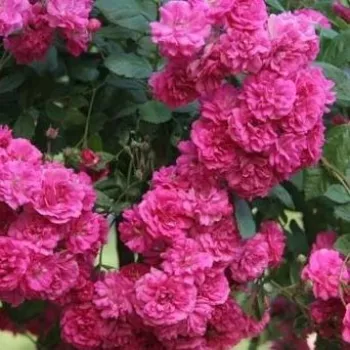
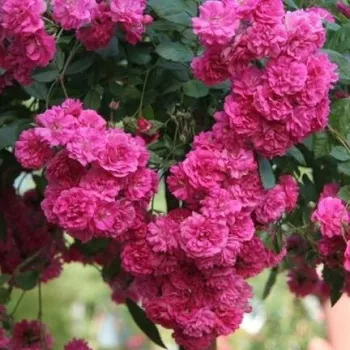
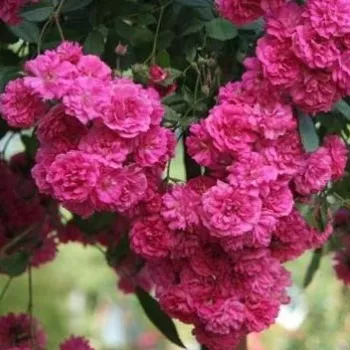
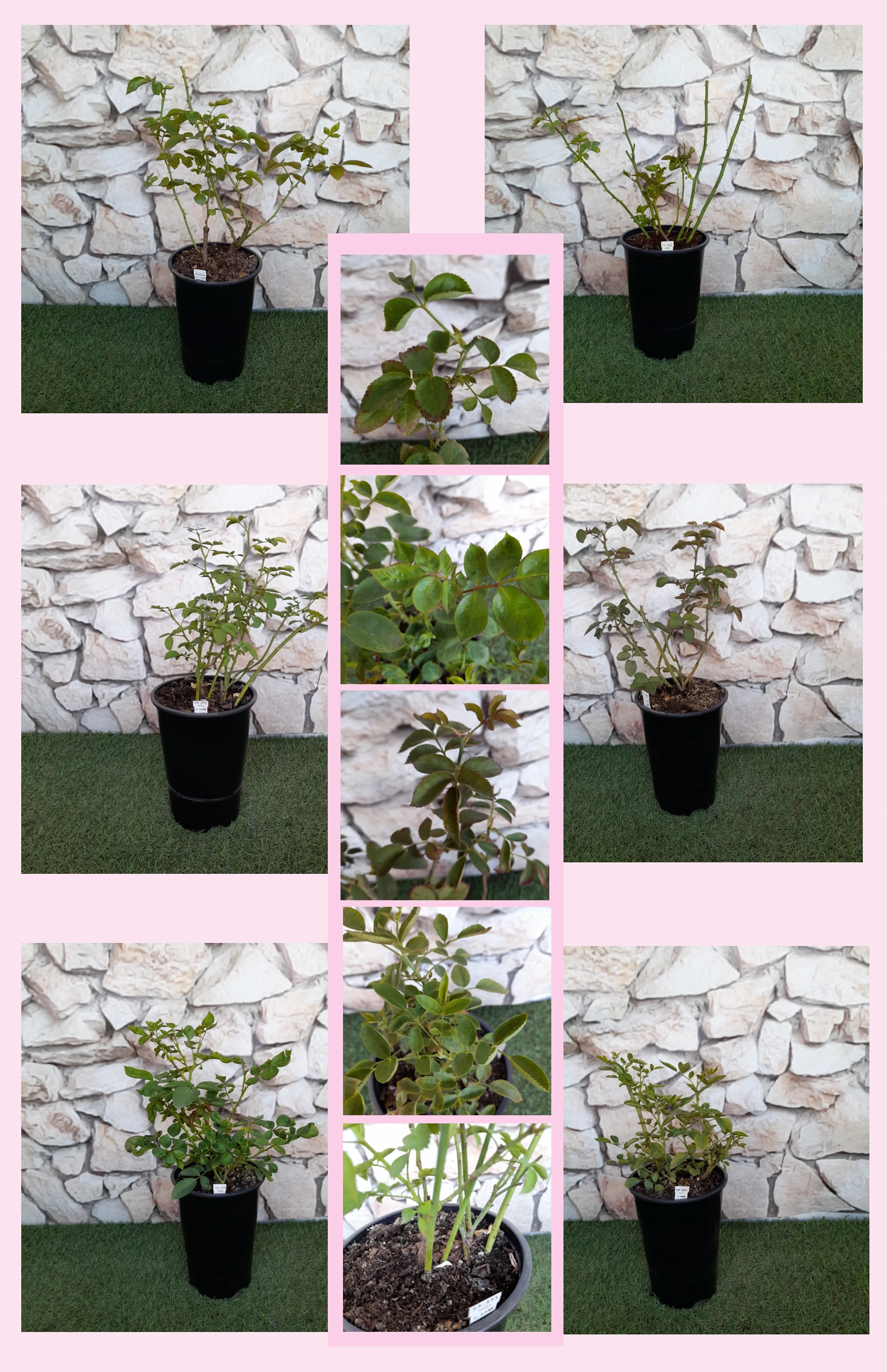
Under a rose-covered arbour, KESSI brings instant cosiness and a soft, romantic atmosphere to an everyday family garden. Its vivid carmine-pink clusters form a low, upright canopy that works beautifully in English-style cottage borders or edging along a path, staying neat without complicated shaping. Grown on its own roots, it settles securely and keeps its ornamental value for many years, quietly regenerating after harder pruning or winter knocks, so you spend more afternoons enjoying and fewer hours correcting. In a typical British plot with mixed sun, showers and breezes, its dependable flowering and tidy habit give a reassuring sense of stability even where soils are heavy and drainage is improved with simple raised beds to cope with rain and wind. Over time it fills out into a balanced, medium-height shrub that anchors mixed plantings, its carmine tones blending with herbs, perennials and hedging for a thoroughly romantic cottage look. As a pharmaROSA® ORIGINAL 2-litre own-root rose, KESSI arrives as an established young plant that keeps building from the roots up, creating a reassuringly long-lived feature with minimal specialist care, ideal for busy households who still want a storybook corner by the terrace or kitchen door. Its reliable repeat flushes feel especially comforting on days when you simply want to step outside with a cup of tea and enjoy colour that just keeps returning.
Usage options
| Target area |
Reasoning |
| Groundcover along paths and front-of-border strips |
KESSI’s spreading, medium-height shrub form creates a continuous ribbon of colour without leaving bare patches, so it works well as a romantic groundcover along paths or drive edges, with self-cleaning blooms that reduce deadheading time for the busy gardener. |
| Traditional cottage-style mixed border |
The carmine-pink, cupped clusters harmonise easily with perennials and herbs, giving a classic countryside feel while its upright, moderately dense foliage provides structure, so a few plants can anchor a whole border for the cottage-garden lover. |
| Low informal hedge or boundary marker |
Planting at hedge spacing produces a soft, flowering line that marks out play areas or vegetable plots without looking severe, and the own-root habit copes well with occasional harder pruning needed to keep boundaries clear for the family homeowner. |
| Slopes, banks and slightly awkward levels |
Once established, the branching framework and moderate spread help to stabilise sloping ground while covering soil attractively, so you tackle erosion and make tricky corners beautiful in one move, especially appreciated by the practical planner. |
| Large containers on terrace or patio (40–50 litres+) |
In a substantial container of at least 40–50 litres, KESSI forms a bushy, free-flowering shrub that brightens seating areas; the own-root form makes it more forgiving of pruning and winter die-back, which reassures the urban balcony owner. |
| Family garden focal point near seating |
Its mild yet noticeable fragrance and generous repeat flowering give gentle sensory interest beside benches or outdoor tables, offering colour without overwhelming scent, ideal for relaxed afternoon tea corners valued by the comfort seeker. |
| Low-maintenance mass planting in front gardens |
Used in groups at recommended spacing, KESSI knits into a cohesive, flower-rich surface with only medium maintenance, and its own-root longevity means the display matures rather than tiring quickly, which suits the time-pressed household. |
| Coastal or exposed suburban plots |
Steady growth, hardy wood and moderate height help it stand up to typical British breezes, so it keeps its shape and colour even in more open situations with improved drainage where soils are heavy and seasons change quickly for the pragmatic beginner. |
Styling ideas
- Cottage Ribbon – edge a path with KESSI and intersperse clumps of Rudbeckia for a warm pink-and-gold strip – ideal for those recreating a small English cottage walk.
- Kitchen Corner – plant near herbs and a low box hedge so its carmine-pink clusters soften the productive feel – suited to gardeners with a traditional kitchen garden.
- Tea Terrace – grow in two 50-litre pots flanking a bench, underplanted with lavender for scent layering – perfect for homeowners wanting a romantic seating nook.
- Soft Boundary – use as a loose hedge between lawn and play area, blending with Verbena ‘White Spires’ for light, airy contrast – good for families needing gentle structure.
- Bank Tapestry – repeat-plant across a low slope, mixing Verbena ‘Pink Spires’ in pockets for vertical accents – appealing to planners taming awkward levels beautifully.
Technical cultivar profile
| Characteristic |
Data |
| Name and registration |
Collection ground cover; commercial type and group groundcover rose; current trade name Kessi Ground cover Schultheis & Bennett; exhibition category shrub rose, historical shrub rose. |
| Origin and breeding |
Bred by Gebrüder Schultheis and Henry Bennett; parentage unknown. Introduced 1882 in the UK and 1999 in Germany; breeding year recorded as 1999 in Germany for the current groundcover form. |
| Growth and structural characteristics |
Upright shrub with moderately dense, mid-green, slightly glossy foliage. Height about 100–160 cm, spread 80–140 cm, moderately prickly stems, forming a substantial, space-filling garden plant over time. |
| Flower morphology |
Double, cupped flowers in large clusters, small individual bloom size around 0.5–1.5 inches. Petal count typically 26–39, remontant with a plentiful second flush and good overall garden presence. |
| Colour data and phenology |
Bright carmine-pink flowers, ARS code mr, RHS 57C outer and 57A inner petals. Buds dark carmine-pink, opening to saturated colour then lightening through soft pink before fading, giving varied tones on one plant. |
| Fragrance and aroma |
Mild but noticeable fragrance suitable for close garden seating areas. Scent character not fully documented, but present enough to be appreciated in passing rather than dominating nearby planting schemes. |
| Hip characteristics |
Occasional spherical hips, about 12–18 mm in diameter, bright red to vivid RHS 43A. Decorative in autumn without being overly dominant, adding seasonal interest if spent flowers are left untrimmed. |
| Resistance and winter hardiness |
Hardy to approximately -26 to -23 °C, RHS H7, Swedish zone 4, USDA 5b. Good resistance to powdery mildew and black spot, medium susceptibility to rust, moderate heat tolerance needing watering in prolonged drought. |
| Horticultural recommendations |
Best in sunny positions. Suitable for groundcover, borders, edging, slopes, containers, terraces and urban greens. Medium maintenance; occasional plant protection. Recommended spacing 90–180 cm depending on use and density. |
KESSI – carmine-pink groundcover rose - Schultheis & Bennett offers long-lived, repeat flowering structure with modest care needs in a forgiving own-root form; consider it if you want durable colour in a traditional family garden.