KEMPELEN FARKAS EMLÉKE – light pink flowerbed polyantha rose - Márk
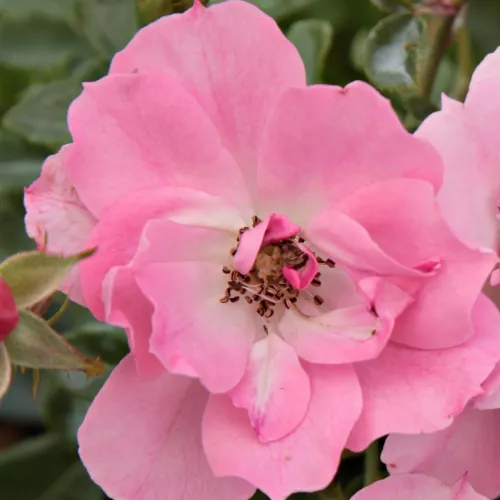
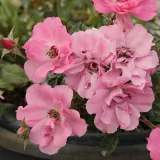
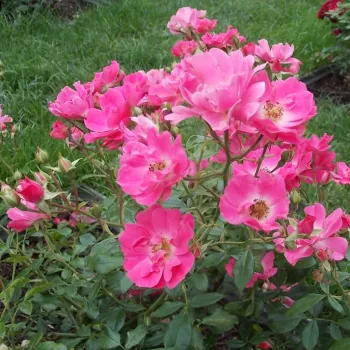
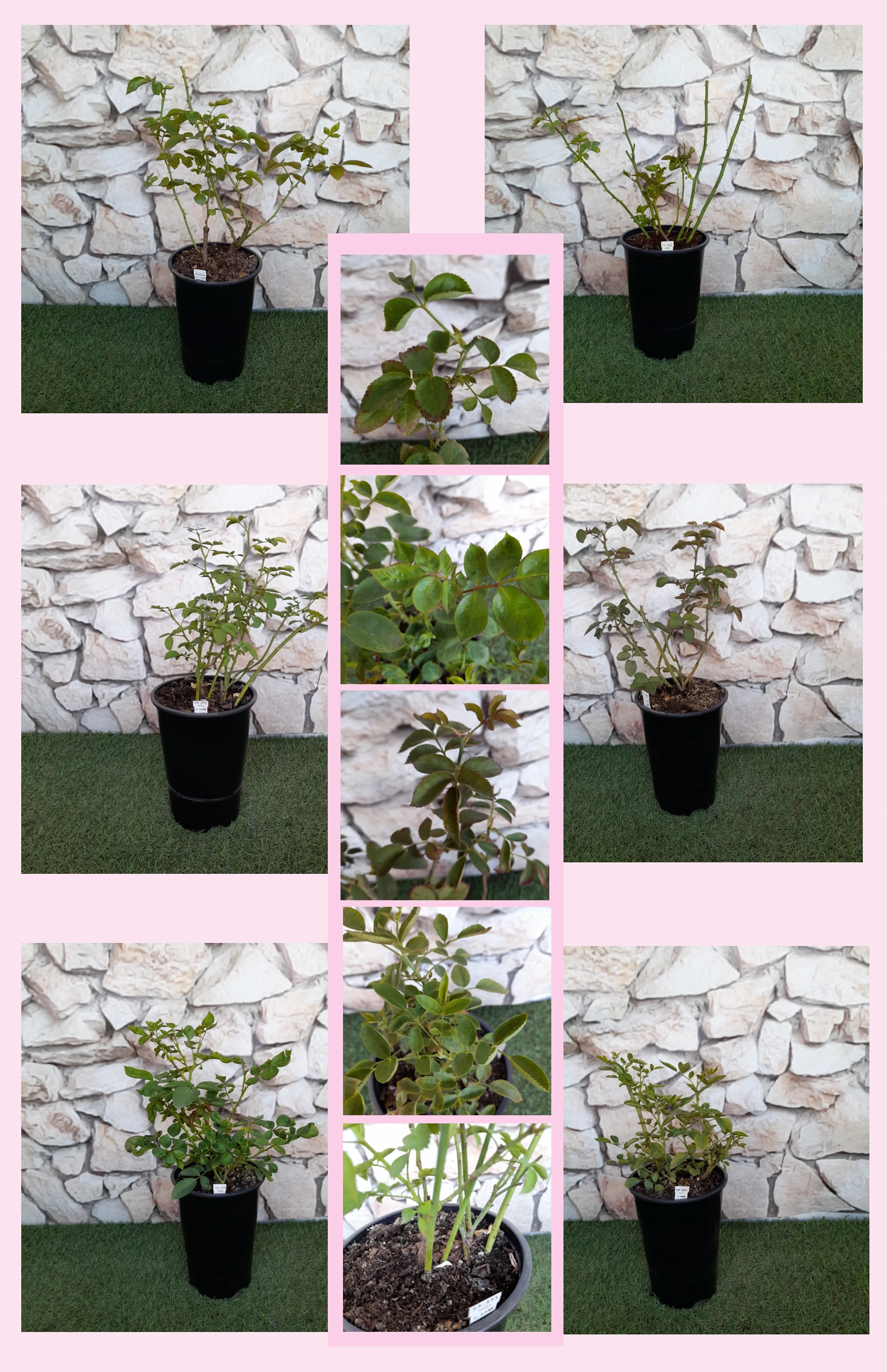
Soft, cupped clusters of light pink blooms give KEMPELEN FARKAS EMLÉKE a truly romantic presence in a family garden, settling naturally into a cottage-style border or around a kitchen-garden hedging line. This low, spreading polyantha forms a dense, glossy cushion of foliage that quickly covers soil, helping beds look full and finished without intricate pruning plans or expert know-how. The compact height and naturally branching habit make it especially manageable in smaller plots and front gardens, while its own-root nature underpins a long-lived, regenerating framework that stays attractive year after year with simple seasonal care. Over time it becomes a reliable, flower-filled foundation shrub for path edges, children’s play-lawn surrounds and pretty park-style beds that cope calmly with blustery, rain-swept conditions and heavier garden soils when drainage is considered. The semi-double flowers gather in airy sprays that gently self-clean, keeping the plant looking orderly between light trims, and their accessible centres offer moderate interest for passing pollinators in a busy family setting. In the first year it focuses on roots, the second year on shoots, and by the third year you can expect its full ornamental effect and dependable season-long performance. For containers, it suits one feature plant per 40–50 litre pot where you can enjoy its pastel clusters close to the patio table for afternoon tea.
Usage options
| Target area | Reasoning |
|---|
| Front-of-border cottage edging |
The naturally low, spreading habit quickly builds a dense cushion that softens path lines and vegetable-plot edges without casting shade on taller cottage perennials behind. It suits those wanting relaxed structure with minimal clipping – ideal for the beginner. |
| Informal flowering hedge |
Planted at 50 cm intervals, plants knit into a light, airy line of pastel clusters that read as a soft hedge, perfect along drives, play-lawn edges or to frame a kitchen garden with a romantic, storybook feel – reassuring for the family. |
| Low-maintenance flowerbed blocks |
At recommended spacing, the compact, branching framework closes gaps, suppresses some weed growth and needs only simple annual pruning, making it an easy choice for low-input beds in small and medium gardens – attractive for the busy. |
| Coastal or exposed sites |
The sturdy, ground-hugging form anchors well and presents less sail to the wind, helping it cope in blustery, rain-swept gardens where more upright roses struggle, especially where you can improve drainage in heavier soils – practical for the coastal. |
| Container and large pot planting |
One plant in a 40–50 litre container creates a rounded dome that spills with pastel sprays, ideal by a front door or seating area; its compact size avoids the pruning complications of larger roses in pots – reassuring for the urban. |
| Long-lived family garden planting |
Being grown on its own roots, the shrub regenerates well from the base, ages evenly and is less dependent on graft unions, supporting a long lifespan and stable appearance with straightforward yearly care – appealing to the homeowner. |
| Colour-coordinated pastel schemes |
The steady light-pink, fading to powdery pastel tones, blends easily with purples, whites and soft blues, making it simple to create calm, cohesive planting without complex colour planning – encouraging for the stylist. |
| Informal wildlife-friendly corners |
Semi-double blooms with accessible centres offer moderate pollinator appeal in summer, followed by small orange-red hips that add seasonal interest and light wildlife value in autumn, without demanding extra maintenance – suitable for the nature-lover. |
Styling ideas
- Cottage-Threshold – Line the path to your back door with a low band of KEMPELEN FARKAS EMLÉKE interplanted with lavender and catmint for a soft, storybook welcome – for romantic front-garden planners.
- Kitchen-Edging – Use it as a neat yet flowery edge around raised vegetable beds, its compact cushion habit framing herbs and salads without shading them – for those who love practical beauty.
- Pastel-Ribbon – Create a ribbon of light pink across the lawn by curving a single row along a mowing strip, pairing with low blue geraniums for a gentle two-tone sweep – for homeowners seeking subtle drama.
- Patio-Dome – Plant one rose in a 40–50 litre terracotta pot and surround the rim with trailing thyme and lobelia for a soft dome of foliage and pastel clusters close to the seating area – for terrace and balcony users.
- Parklet-Border – Mix with Liatris ‘Kobold’, Calamintha and compact grasses in a small urban front bed to echo classic park plantings with easy care and long seasonal structure – for busy city gardeners.
Technical cultivar profile
| Parameter | Data |
|---|
| Name and registration |
Polyantha bedding rose marketed as KEMPELEN FARKAS EMLÉKE – a cluster-flowered bed rose named in honour of 18th-century Hungarian inventor Kempelen Farkas, with ARS exhibition name identical. |
| Origin and breeding |
Bred by Márk Gergely in Hungary, 1994; parentage and breeding institution not recorded. Commercially introduced by PharmaRosa® Ltd., with registration and introduction dates not fully documented. |
| Growth and structural characteristics |
Low, spreading shrub typically 40–60 cm high and 55–85 cm wide, forming dense mid-green, glossy foliage with moderate prickles; growth habit suits edging, bedding and compact hedge-style planting. |
| Flower morphology |
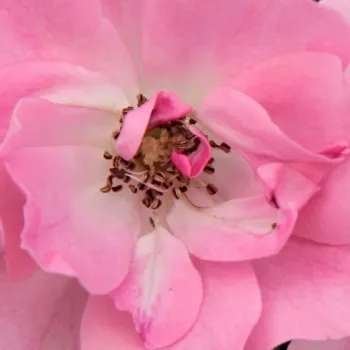
Semi-double, cupped blooms in small clusters, around 0.5–1.5 inches across with approximately 13–25 petals; flowers repeat well through the season, with naturally good self-cleaning after each flowering wave. |
| Colour data and phenology |
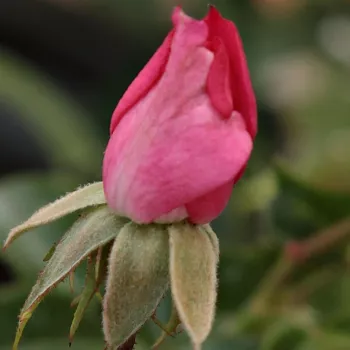
Light pink with slight purplish tint; RHS 65C outer, 65D inner. Buds silky pale pink with lavender veil, opening to soft pastel pink that gradually fades to powdery pink with a creamy-white inner glow. |
| Fragrance and aroma |
No noticeable fragrance is recorded; flowers are primarily visual features. Semi-double form with partially accessible stamens offers moderate pollinator interest despite the lack of discernible scent. |
| Hip characteristics |
Produces moderate quantities of small, spherical orange-red hips approximately 6–9 mm in diameter, adding late-season colour and mild wildlife interest once the main flowering period has declined. |
| Resistance and winter hardiness |
Rated hardy to approximately –21 to –18 °C (RHS H7, Swedish Zone 3, USDA 6b). Disease resistance is moderate to powdery mildew, black spot and rust; in humid seasons occasional plant protection may be beneficial. |
| Horticultural recommendations |
Best grown in full sun with 50–90 cm spacing depending on use; 60 cm for bedding, 50 cm for hedges, 90 cm as specimen. Moderate heat–drought tolerance; water during extended dry spells and ensure adequate drainage. |
KEMPELEN FARKAS EMLÉKE offers compact pastel clusters, an easy-care cushion habit and long-lived own-root reliability for relaxed cottage-style borders and hedges; it is a thoughtful choice when you wish to plant once and enjoy for years.