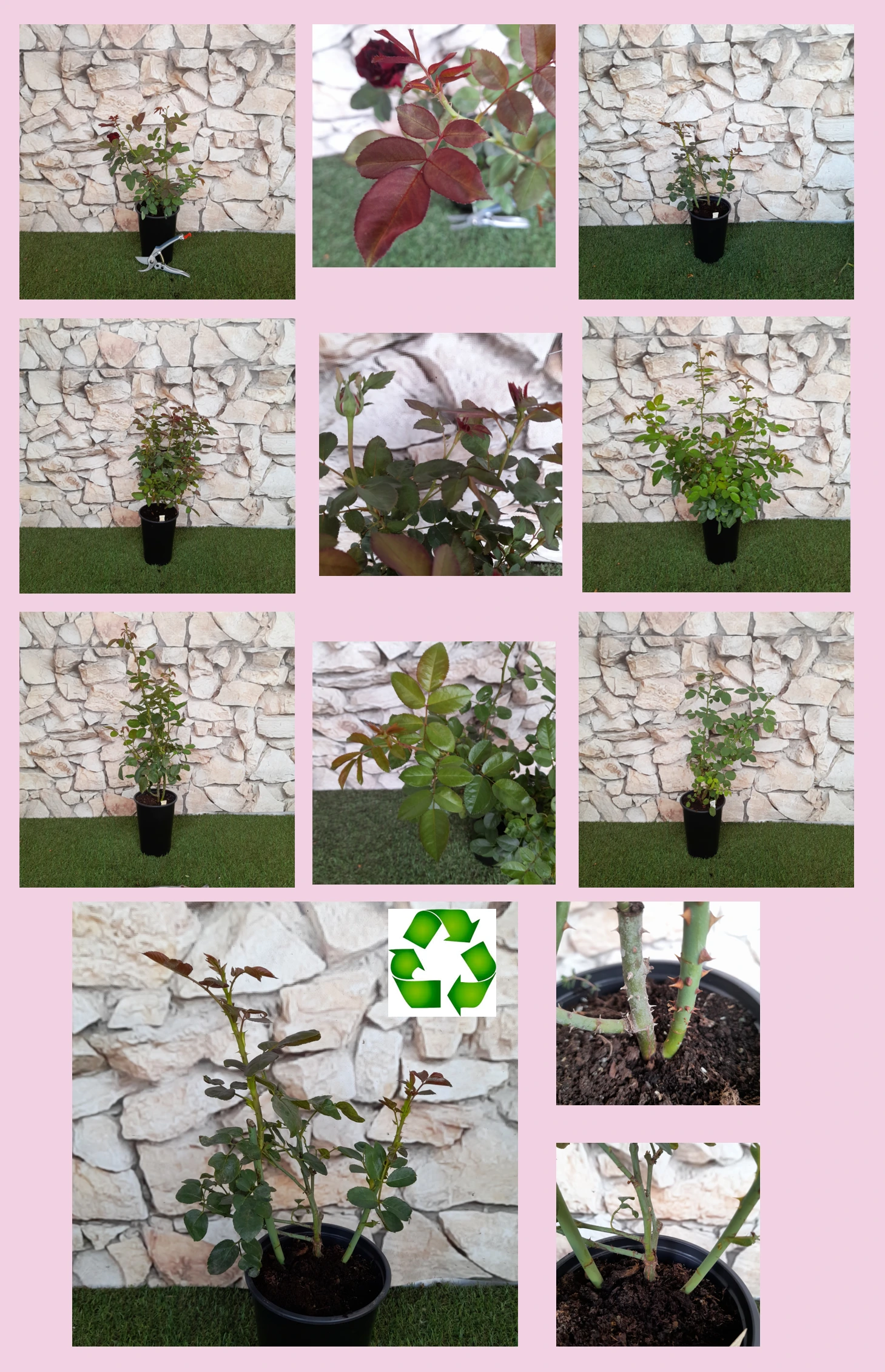
SINARA – pink hybrid tea rose – pharmaROSA® ORIGINAL 2-litre own-root
Bring a touch of storybook romance to your family garden with SINARA, a bushy hybrid tea that combines richly petalled, dusky mallow-pink blooms with reassuringly low-effort maintenance. Its compact height suits smaller UK plots, borders and kitchen gardens, while its reliable disease resistance keeps foliage fresh-looking even in wetter, unsettled summers and breezier spots near the coast where roses are often tested by strong winds and driving rain. Container-grown in a practical 2-litre pot, this own-root plant settles quickly, building long-term resilience and the ability to regrow strongly from its own wood after hard pruning or accidental damage. Over time the root system strengthens, the top growth becomes fuller and flowering more abundant, giving steadily increasing impact in your borders. The deeply double, cupped flowers appear in small clusters, providing a traditional hybrid tea elegance that feels perfectly at home among cottage-garden perennials and soft hedging. Ideal for busy gardeners who still want that afternoon-tea-under-the-arbour cosiness without complicated care routines, SINARA thrives with straightforward seasonal pruning and basic feeding, rewarding you with a long-lived, reliable presence in your outdoor space.
Usage options
| Target area | Reasoning |
|---|
| Main cottage-style rose border |
SINARA’s bushy, medium-height habit and dusky mallow-pink blooms give classic cottage-garden character without overwhelming smaller beds. Its good disease resistance supports healthy foliage with minimal spraying, ideal where time is limited for beginners. |
| Mixed family border with perennials |
The compact spread fits comfortably among perennials such as asters, verbena and ornamental grasses, adding hybrid tea structure and repeat colour through the season. Low maintenance needs and own-root durability suit busy homeowners. |
| Feature rose near seating or patio |
Planted close to a bench or terrace, the ruffled, full-petalled flowers create a romantic focal point for afternoon tea or evening unwinding. The tidy, upright bush shape keeps paths clear and looks refined with only light seasonal pruning for stylists. |
| Large container or terrace planter |
In a robust container of at least 40–50 litres with good drainage, SINARA forms a stable, long-lived shrub. Own-root growth copes better with occasional drying or re-potting than grafted roses, supporting dependable flowering for balcony and terrace dwellers. |
| Small front garden or entrance approach |
The moderate height and neat footprint sit well along paths and drives, offering welcoming colour without blocking windows or views. With low maintenance needs, it brings a smart yet romantic look to busy households and commuting families. |
| Low informal flowering hedge |
Planted at the recommended hedge spacing, SINARA forms a gently billowing, pink-flowered line that softens boundaries. Own-root plants recover evenly after harder trims, helping keep the hedge balanced and attractive for traditional-leaning gardeners. |
| Kitchen garden edging or backdrop |
The dusky pink flowers pair charmingly with herbs and vegetables, giving a farmhouse-kitchen atmosphere. Strong disease resistance means fewer treatments near edibles, making care simpler for those combining beauty with productivity, especially rural keepers. |
| Exposed or breezier garden positions |
The sturdy, bushy structure and healthy foliage help SINARA stand up to unsettled weather in open, breezier UK gardens where roses are often tested by strong winds and driving rain, making it reassuring for coastal and edge-of-town plot owners. |
Styling ideas
- COTTAGE BORDER DRIFT – Plant SINARA in gentle sweeps with catmint, low salvias and old-fashioned foxgloves to create a soft, romantic border that needs only annual pruning and deadheading – ideal for relaxed cottage-style admirers.
- TEA-ROOM PATIO – Place one or two plants in large tubs beside a bistro set, underplanted with trailing thyme or lobelia, for a cosy “afternoon tea” corner with long-season colour – perfect for terrace and patio entertainers.
- FRONT-DOOR WELCOME – Flank a path with repeated clumps of SINARA and small box or lavender mounds, giving a tidy yet traditional approach that stays manageable in size – suited to busy households wanting instant kerb appeal.
- PERENNIAL TAPESTRY – Thread SINARA through a mix of asters, blue globe thistle and ornamental grasses, letting the pink blooms punctuate a looser, naturalistic planting – attractive to gardeners who like soft structure with low input.
- EDIBLE-ROMANTIC MIX – Use SINARA along the edge of a kitchen garden with chives, fennel and runner beans on wigwams, blending utility and charm while keeping care straightforward – appealing to home growers who value beauty around produce.
Technical cultivar profile
| Property | Data |
|---|
| Name and registration |
SINARA – pink hybrid tea rose; commercial group hybrid tea rose; part of the pharmaROSA® range; garden-use shrub for borders, hedging and containers in typical UK family gardens. |
| Origin and breeding |
Discovered and introduced by pharmaROSA®; detailed parentage and breeding year are unknown, but selection focuses on garden performance, strong health and ease of care for long-lived landscape use. |
| Growth and structural characteristics |
Bushy, upright shrub reaching about 75–105 cm high and 50–70 cm wide, with moderately dense, mid-green, slightly glossy foliage and moderate prickliness, forming a compact, stable structure over time. |
| Flower morphology |
Mid-sized, very double, cupped blooms with 40+ petals, borne mainly in clusters; repeat-flowering with a generous second flush, giving a long ornamental season suitable for cutting and border display. |
| Colour data and phenology |
Dusky mallow-pink flowers, buds deep fuchsia–raspberry, opening to vivid centres that gradually fade to dusty, pearly pink at the edges; moderate colour retention, with a soft, romantic effect as blooms age. |
| Fragrance and aroma |
No reliable fragrance data; any scent is likely light and secondary to the visual display, so the rose is best chosen for flower form, colour and garden presence rather than perfume expectations. |
| Hip characteristics |
Occasionally forms small rose hips around 10–16 mm in diameter; hips are not a dominant ornamental feature but may add a subtle seasonal accent in late season if spent blooms are not removed. |
| Resistance and winter hardiness |
Classed as resistant to powdery mildew, black spot and rust; hardy approximately to −21 to −18 °C (RHS H7), suiting most UK regions with normal winter protection and good soil preparation. |
| Horticultural recommendations |
Low-maintenance shrub for borders, hedging and large containers; space 50–90 cm depending on use; plant in well-drained soil, feed annually, prune in late winter, and water deeply in prolonged dry periods. |
SINARA Hybrid tea rose pharmaROSA® offers low-maintenance health, compact bushy growth and long-season dusky pink blooms on a durable own-root plant, making it a graceful, dependable choice for those planning a long-lived, romantic garden feature.