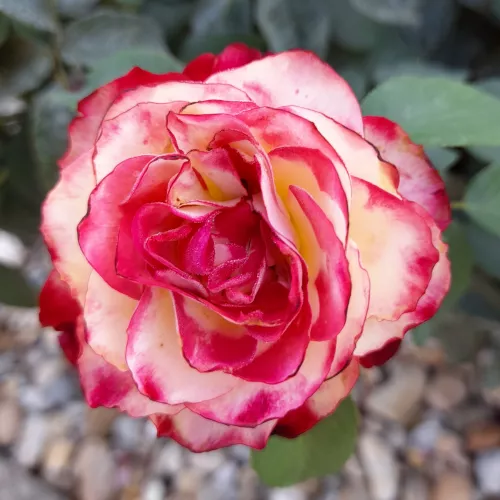
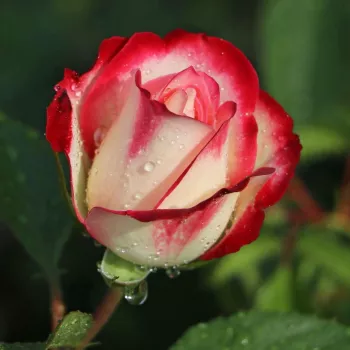
JUBILE DU PRINCE DE MONACO® – cream-red bedding floribunda rose
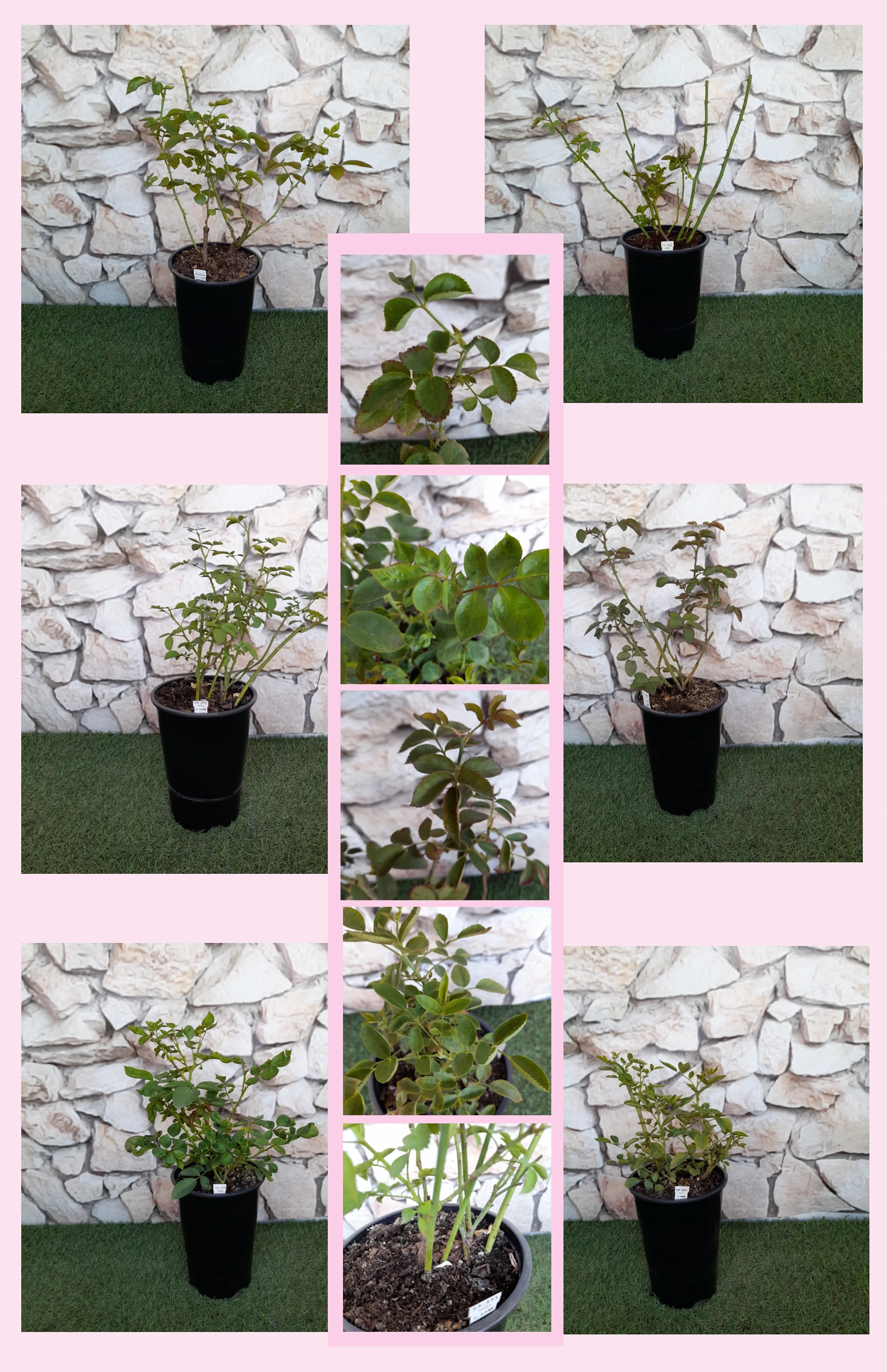
Bred for showpiece beds yet perfectly at home in a family garden, JUBILE DU PRINCE DE MONACO® offers crisp cream-and-carmine colour that looks as if it has been painted by hand, with every petal neatly edged in cherry red. Its compact, bushy habit fits beautifully into cottage-style planting and small suburban borders alike, while a steady rhythm of repeat flowering keeps borders lively from early summer well into autumn. As an own-root plant it settles securely, building a long-lived framework that regrows reliably after tougher winters and light pruning. In typical British conditions it performs best where soil drains reasonably well, even on heavier ground that often stays soggy after coastal wind and rain. The medium-sized, double blooms carry a gentle, fruity fragrance, making them delightful for cut stems on the kitchen table, and its naturally good self-cleaning habit reduces deadheading work so you can spend more time enjoying that afternoon-tea cosiness in your cottage-style plot.
Usage options
| Target area | Reasoning |
|---|
| Front-of-border bedding strip in a family garden |
The compact, bushy habit and 65–95 cm height make this rose ideal for front or mid-border planting, creating a defined, low hedge of colour without overwhelming nearby perennials and herbs; suits beginners. |
| Romantic cottage-style bed with repeat colour through summer |
Clusters of double flowers appear in generous flushes, with a notably abundant second wave, so a small group will deliver dependable repeat flowering and a “storybook” look across the main season; suited to busy gardeners. |
| Feature planting on patios in very large containers |
Its tidy framework and moderate size adapt well to generous pots of 40–50 litres, where good potting compost, sun and regular watering help show off the bicolour blooms close to the seating area; ideal for urbanites. |
| Colour-coordinated cream-and-red planting schemes |
The distinctive cream-white petals edged in carmine-red make it an easy anchor for two-tone schemes with matching bedding and cottage favourites, giving a designed, cohesive effect in small suburban plots; perfect for stylists. |
| Low-maintenance rose display near seating or paths |
Most spent blooms drop naturally, so the plant keeps a neat appearance with less frequent deadheading, allowing you to keep paths and seating areas tidy without constant attention; helpful for time-poor owners. |
| Sunny, warm borders on heavier UK soils |
This variety tolerates heat and performs well in a bright position where the soil drains reasonably on heavier clays, especially when planted slightly raised to keep roots comfortable during spells of wind and rain; reassuring for coastal gardeners. |
| Long-term structural planting in mixed cottage borders |
Supplied as an own-root plant, it gradually develops a stable, well-anchored framework that can renew itself from the base, supporting a long lifespan and steady ornamental value in mixed borders; ideal for planners. |
| Gentle sensory corner by a terrace or kitchen door |
The mild, fresh, fruity fragrance and regular supply of medium-sized, double blooms make it a pleasant, understated choice where you pass daily, with roots establishing first, then stronger shoots, then full effect over three seasons; suited to families. |
Styling ideas
- COTTAGE RIBBON – Line a narrow front border with this rose, threading between lavender and dwarf catmint for a storybook edge to a path – for lovers of classic cottage-romantic style.
- CREAM-AND-CARMINE FOCUS – Group three plants in a triangle and underplant with white gaura and crimson scabious to echo the petal edging – for home gardeners who enjoy coordinated colour.
- TEA-TIME PATIO – Plant a single specimen in a 50-litre terracotta pot with trailing thyme at the rim to frame an outdoor table – for flat and townhouse owners wanting an intimate seating corner.
- KITCHEN GARDEN CHARM – Tuck a short row along a veg-plot fence with marigolds and dwarf beans, adding cut flowers to your kitchen harvest – for practical gardeners who like beauty with utility.
- SOFT FAMILY BORDER – Mix with pastel foxgloves, hardy geraniums and small ornamental grasses to create a forgiving, gently structured play-friendly border – for families seeking a relaxed, low-fuss look.
Technical cultivar profile
| Parameter | Data |
|---|
| Name and registration |
JUBILE DU PRINCE DE MONACO® bedding floribunda (registered as MEIsponge), also known as Cherry Parfait™ in exhibitions; shrub-group bed rose for garden and landscape use. |
| Origin and breeding |
Bred by Alain A. Meilland, France, around 2000 from 'Meichoiju' × ('Meidanu' × 'Maeman'); introduced after 2002 by Meilland International and Star® Roses in international markets. |
| Awards and recognition |
Highly decorated floribunda: multiple medals from Saverne, Madrid, Buenos Aires, Baden‑Baden and Genova between 2000–2001, plus certificates in France and All-America Rose Selections winner status in the USA. |
| Growth and structural characteristics |
Compact, bushy shrub reaching about 65–95 cm in height and 60–95 cm spread; dense, matt, medium-green foliage and moderate thorns; performs well as a bedding, edging or small hedge rose. |
| Flower morphology |
Medium-large, double, cup-shaped blooms with roughly 26–39 petals, borne in clusters; flowers repeatedly with abundant first and second flushes, especially when regularly deadheaded and well watered. |
| Colour data and phenology |
Cream-white to slightly creamy base, edged with vivid carmine to cherry-red; ARS WBl, RHS 155D and 53A; colour holds well, fading only slightly in strong sun from scarlet to softer pinkish tones. |
| Fragrance and aroma |
Mild yet noticeable fresh, fruity scent best appreciated close up; charming near paths and seating areas but not overpowering indoors; primarily valued for colour display rather than strong perfume. |
| Hip characteristics |
Occasionally sets small, spherical red hips about 8–12 mm across; hips are scattered rather than profuse and mainly of incidental ornamental interest late in the season. |
| Resistance and winter hardiness |
Rated to around −21 to −18 °C (RHS H7; USDA 6b), tolerating typical UK winters; responds best to full sun, free-draining soil, regular watering in dry heat and a consistent fungicide programme. |
| Horticultural recommendations |
Best in sunny beds, hedges or large containers; spacing 50–90 cm depending on effect; plant at 3.2–3.7 per m² for massed displays; allow good air flow and carry out regular disease monitoring and care. |
JUBILE DU PRINCE DE MONACO® brings compact structure, distinctive cream-and-carmine blooms and gentle fragrance, supplied as a resilient own-root plant that settles in for years of cottage-garden charm, making it a thoughtful choice for your next rose.