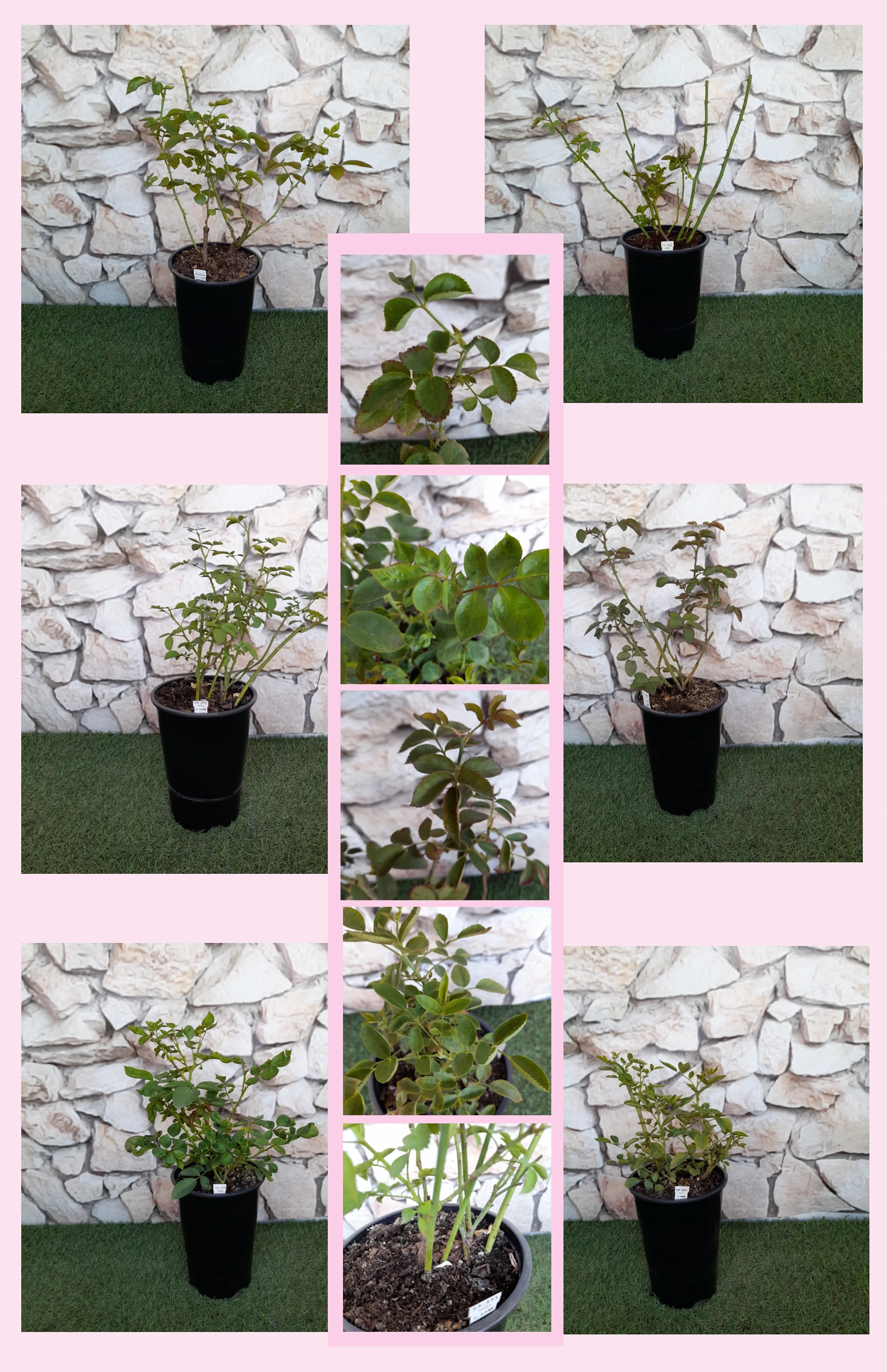
KATHLEEN HARROP – pale pink climbing rose - Dickson
Soft pale-pink clusters, strong perfume and reliable repeat flowering make KATHLEEN HARROP an inviting choice for arches, pergolas and cottage-style fences, even in breezy gardens where heavy rain and wind quickly test lesser roses. This historic 1919 sport of ‘Zéphirine Drouhin’ is almost thornless, so you can train and tie stems comfortably around doorways and family seating areas, while its moderate vigour suits smaller UK plots and town gardens. As an own-root plant it settles steadily, building roots in the first year, throwing stronger flowering shoots in the second and reaching full ornamental value by the third, with a long, regenerating life that rewards light, regular deadheading. Repeat, semi-double blooms carry a strong, spicy fragrance on warm afternoons, and the dark green foliage makes a handsome backdrop through the season. With good disease resistance, low maintenance needs, partial-shade tolerance and friendly thorns, this romantic climber brings storybook charm to everyday family gardens without demanding expert care.
Usage options
| Target area | Reasoning |
|---|
| Small family pergola for afternoon seating |
Moderate height and spread mean KATHLEEN HARROP clothes a pergola without overwhelming a modest family garden, and its repeat flowering keeps soft pink blooms above your seating throughout summer and early autumn. Semi-double flowers with strong, spicy scent create a gentle “afternoon tea” atmosphere for relaxed, low-effort enjoyment, ideal for the busy urban garden owner. |
| Rose arch over a garden path |
As a historic large-flowered climber with trailing canes, it arches naturally over a path, giving a romantic tunnel of pale-pink clusters you can brush past without excessive snagging thanks to sparse prickles. Own-root growth makes the framework long-lived, regenerating from the base after pruning, so the arch becomes a stable, lasting feature for the traditional cottage-style lover. |
| House wall, sunny or lightly shaded |
Good repeat flowering and partial-shade tolerance allow it to perform on east- or west-facing walls where sun hours are limited, still producing well-scented flushes after the first summer display. Dark green foliage and pale-pink cups soften brick or render while remaining relatively low maintenance due to strong disease resistance, suiting the time-pressed homeowner. |
| Screening a family seating area or play corner |
Trailing, moderately dense growth and dark, slightly glossy leaves give a soft visual screen without feeling heavy, perfect for edging a play lawn or sitting area. Being sparsely thorned makes it more practical close to everyday family use, while repeat flowering and strong fragrance add charm without extra work for the family-focused garden user. |
| Cottage-style mixed border with perennials |
Clustered, semi-double blooms in gentle pale pink mix easily with verbena, clematis and airy perennials for a classic English country look. Its remontant habit keeps colour coming back among herbaceous planting, and own-root durability means the rose remains a reliable, long-term framework in the border for the romantic cottage gardener. |
| Raised bed or improved clay border |
Where heavier clay needs careful management, this own-root climber responds well to improved soil in raised beds or wide planting holes, anchoring securely over time and coping well once established. The plant’s strong health and low maintenance allow you to keep tasks simple after planting, which suits the low-input hobby gardener. |
| Large container by a doorway or terrace |
In a 40–50 litre or larger container with a sturdy obelisk or trellis, its moderate vigour and trailing habit are easy to manage, bringing scent and colour right to the door. Good disease resistance keeps the foliage neat in confined spaces, while own-root resilience helps it recover from occasional drying or pruning errors for the balcony and patio rose enthusiast. |
| Low-maintenance historic rose collection |
As an unregistered but well-known 1919 Dickson sport of ‘Zéphirine Drouhin’, it brings authentic historic character with fewer practical demands, thanks to modern expectations of strong disease resistance and manageable growth. This balance of romance and reliability suits the collector who still prefers straightforward care, the heritage rose appreciator. |
Styling ideas
- Cottage archway – Train KATHLEEN HARROP over a simple metal or wooden arch, underplant with lavender and catmint to echo its pale pink clusters and spicy scent – for lovers of soft, traditional romance.
- Kitchen-garden pergola – Let its repeat blooms climb a pergola beside herbs and runner beans, combining fragrance, shade and gentle screening for an edible-and-ornamental plot – for relaxed family kitchen gardeners.
- Storybook fence – Weave the trailing stems along a low boundary fence with verbena and airy grasses, creating a light, semi-transparent screen – for those wanting charm without heavy hedging.
- Doorway welcome – Grow in a large 50 litre container with a trellis each side of a door, bringing strong perfume and romantic clusters to the entrance – for busy homeowners seeking instant character.
- Historic corner – Combine with old-fashioned perennials and a weathered bench, letting the rose drape over a backdrop trellis as a long-lived focal point – for enthusiasts of vintage, period garden moods.
Technical cultivar profile
| Parameter | Data |
|---|
| Name and registration |
KATHLEEN HARROP – pale pink climbing rose - Dickson; historic large-flowered climber, ARS exhibition name ‘Kathleen Harrop’, unregistered cultivar used in gardens and parks. |
| Origin and breeding |
Sport of ‘Zéphirine Drouhin’, bred by Alexander Dickson II, Dickson Nurseries, Newtownards, Northern Ireland; introduced in the United Kingdom in 1919 and still valued today. |
| Growth and structural characteristics |
Trailing climber reaching about 180–280 cm high and 100–170 cm wide, with moderately dense, dark green, slightly glossy foliage and sparsely thorned canes for easier handling. |
| Flower morphology |
Semi-double, cupped, medium-sized flowers in clusters, around 13–25 petals, remontant with abundant second flush; self-cleaning weak so spent blooms usually benefit from light deadheading. |
| Colour data and phenology |
Delicate pale pink (RHS 65C outer, 65D inner), buds pastel and slightly silvery; blooms lighten in strong sun to creamy pink and hold colour better in cooler conditions through the season. |
| Fragrance and aroma |
Strong, far-reaching bourbon-type scent with spicy rose notes, especially noticeable in warm, still weather; fragrance is a key ornamental feature for seating areas and entrances. |
| Hip characteristics |
Forms small, spherical orange-red hips, roughly 8–12 mm diameter, appearing only occasionally; hips are mainly of incidental ornamental value rather than a primary display feature. |
| Resistance and winter hardiness |
Very hardy to about -26 to -23 °C (RHS H7, USDA 5b, Swedish Zone 4); resistant to powdery mildew, black spot and rust, with moderate tolerance of heat if adequately watered. |
| Horticultural recommendations |
Ideal for arches, pergolas, walls and fences; plant 140–250 cm apart depending on use; prefers well-drained soil, partial-shade tolerant; own-root plants reward regular watering and light pruning. |
KATHLEEN HARROP offers fragrant repeat flowering, sparse prickles and strong disease resistance on a durable own-root framework, making it a thoughtful choice if you seek a romantic yet undemanding climbing rose.