JELENA™ – peach-coloured bedding shrub rose
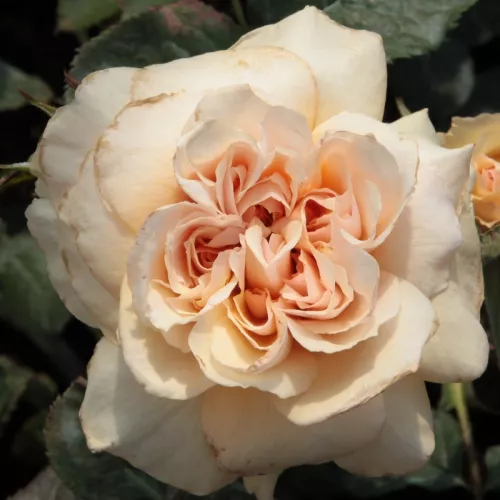
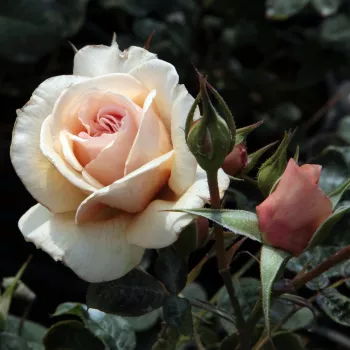
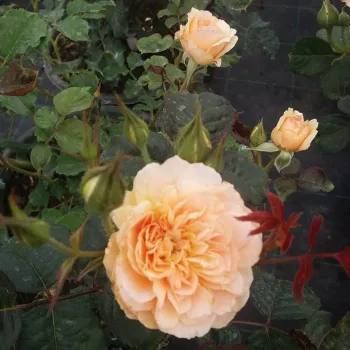
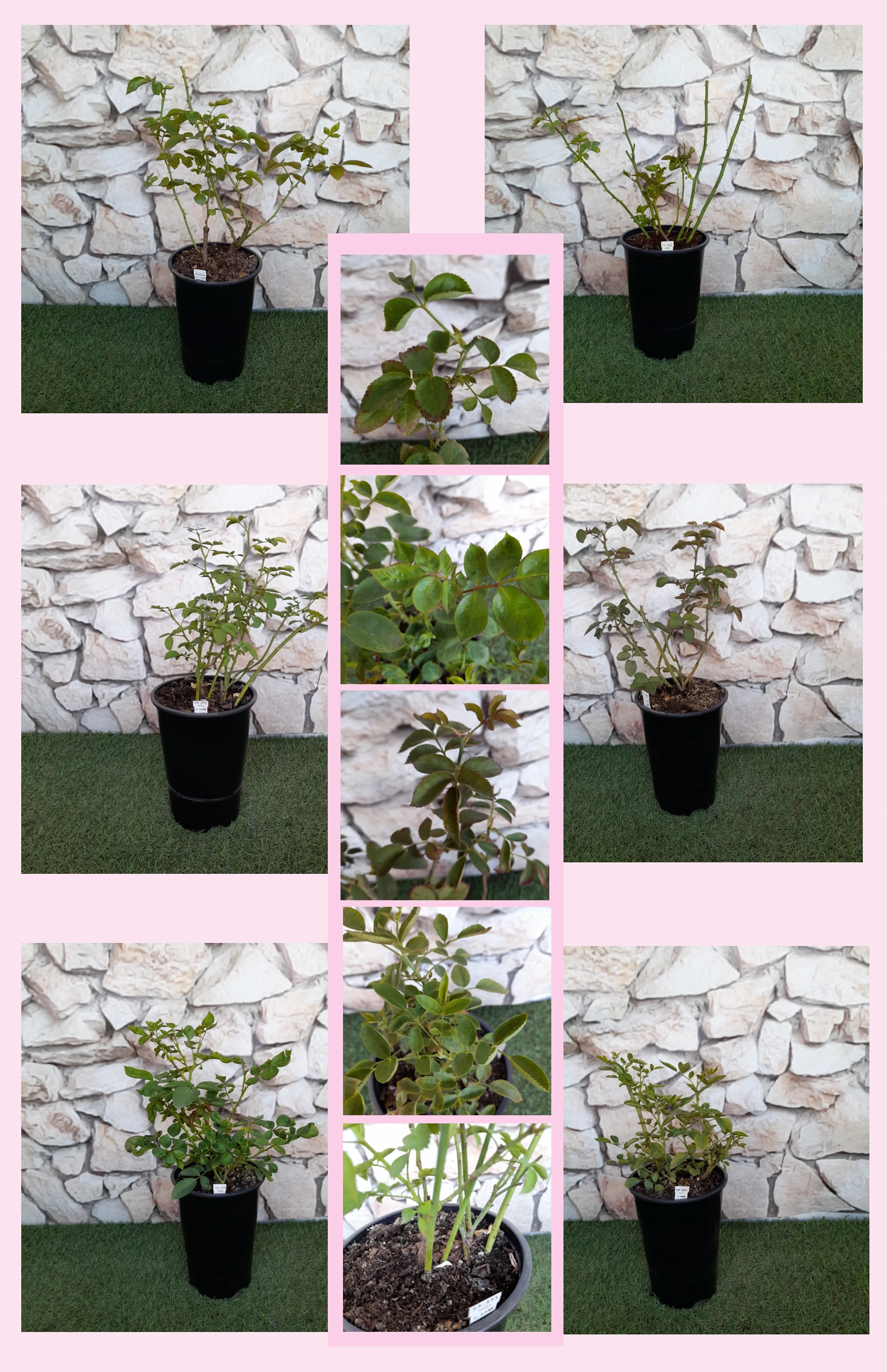
Settle this compact, bushy JELENA™ rose into a small family garden and enjoy a softly romantic, storybook look with apricot and butter tones that glow against glossy dark foliage. Its reliable repeat-flowering and very strong, peachy fragrance suit relaxed afternoons on the patio, while own-root longevity means the plant steadily rebuilds after harsh winters and pruning. Easy to handle in the 2-litre pot, it establishes well even in breeze-prone gardens where good anchoring and structure matter for coastal conditions and changeable weather. Given a sunny spot, ordinary soil and simple seasonal care, it develops from settling roots to fuller shoots and finally a generous, stable display within the first few years, offering dependable cottage-garden colour and fuss-free charm for busy households.
Usage options
| Target area | Reasoning |
|---|
| Front-of-border in a cottage-style bed |
The compact 50–70 cm height and 55–85 cm spread make JELENA™ ideal for the front of a mixed border, where its warm peach-yellow blooms create a soft cottage feel without overpowering nearby perennials; minimal shaping keeps it tidy for beginners. |
| Low, romantic flowering hedge |
Planted at 40 cm intervals, the bushy habit knits into a low hedge that frames lawns, paths or a kitchen garden with steady colour; own-root plants recover well from occasional harder trimming, supporting a long-lived hedge for family-garden owners. |
| Patio container in larger planters |
In 40–50 litre or larger containers, its dense foliage and strong fragrance bring a “patio perfume corner” close to seating areas; regular watering and feed keep repeat-flowering dependable yet tasks remain simple for busy-urban gardeners. |
| Small feature near an arbour or seat |
Used as a solitary plant at around 80 cm spacing, JELENA™ forms a rounded, floriferous bush that softens the base of an arbour or bench, echoing a classic afternoon-tea setting with storybook charm for romantic-style lovers. |
| Colour accent in a kitchen or herb garden |
The warm peach-apricot flowers contrast beautifully with herbs and vegetables while the fruity fragrance complements a productive plot; its moderate care level suits those already tending edibles and wanting an easy ornamental for kitchen-garden keepers. |
| Mixed bed with perennials on heavier soils |
Where heavy clay is managed with drainage or raised beds, the strong root system and bushy structure provide good anchoring and coping with blustery, wet spells, supporting a stable long-term planting plan for practical homeowners. |
| Repeated group planting in small gardens |
At 4.2–4.8 plants/m², groups of JELENA™ form a coherent, low-maintenance block of colour; once established from year to year the own-root plants offer a consistent look without frequent replacement, pleasing . |
| Cut flowers from a family garden bed |
The large, double, cup-shaped blooms on clustered stems make charming, fragrant indoor posies; taking a few stems does not spoil the display, as remontant flowering quickly refills gaps, suiting home-arranger enthusiasts. |
Styling ideas
- Cottage Drift – Plant JELENA™ in loose curves with baby’s-breath and soft grasses to echo an English cottage border – ideal for lovers of gentle, romantic schemes.
- Peach Patio – Use one or three plants in 50-litre terracotta pots by seating, underplant with trailing thyme to enjoy scent at hand height – perfect for balcony and small-terrace owners.
- Kitchen Charm – Thread a short JELENA™ hedge along a kitchen garden edge, weaving between herbs for colour and scent – suited to those who like produce with ornament.
- Soft Sunrise – Combine with cream roses, pale salvias and silver foliage for a restrained, pastel palette – appealing to gardeners seeking a calm, harmonious look.
- Family Pathway – Line a main path with staggered JELENA™ groups and low montbretia clumps for long-season interest – great for families wanting impact with simple upkeep.
Technical cultivar profile
| Trait | Data |
|---|
| Name and registration |
Floribunda–shrub rose; registered as BOZjelefra, marketed as JELENA™ Frayla®; bush rose for beds and borders, verified cultivar identity with premium consumer quality grading. |
| Origin and breeding |
Bred by Biljana Božanić Tanjga at PhenoGeno Roses, Serbia; bred around 2018, registered 2019, introduced 2020 as part of the Frayla® collection of fragrant, garden-worthy exhibition roses. |
| Growth and structural characteristics |
Bushy, compact shrub to around 50–70 cm high and 55–85 cm wide; dense, glossy dark green foliage, moderately thorny shoots, forming a rounded, well-branched plant for beds, hedges and containers. |
| Flower morphology |
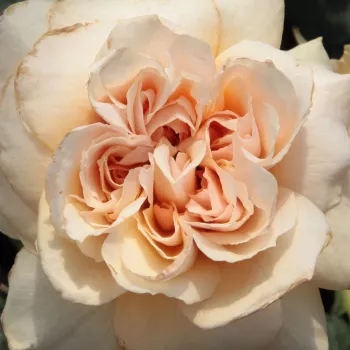
Large, double, cup-shaped blooms with 26–39 petals; carried mostly in clusters; remontant habit with particularly abundant second flush, giving lengthy decorative display through the main season. |
| Colour data and phenology |
Warm, light yellow base with peachy inner shading; buds medium yellow with peach, opening to bright apricot-orange centres, later soft butter-yellow, with some lightening of petal edges in strong sun. |
| Fragrance and aroma |
Very strong, fruity, peach-like perfume noticeable from a distance; primarily ornamental, as the lush double blooms limit easy access for pollinating insects to nectar and pollen. |
| Hip characteristics |
Sparse hip set expected due to full double blooms; occasional small ellipsoid hips 7–11 mm, orange-red around RHS 34A, with limited ornamental contribution in most garden settings. |
| Resistance and winter hardiness |
Hardy to approximately −26 to −23 °C (H7; USDA 5b, Swedish zon 4); moderate disease resistance to black spot, mildew and rust; moderate heat–drought tolerance, needing watering in extended dry periods. |
| Horticultural recommendations |
Best in a sunny position; spacing 50 cm in beds, 40 cm for hedging, 80 cm as solitary; 4.2–4.8 plants/m²; medium maintenance, occasional plant protection and regular watering in containers recommended. |
JELENA™ offers compact, bushy growth, repeat-flowering peach-yellow blooms and powerful fragrance in an own-root form that promises dependable regeneration and long service, making it a thoughtful choice for enduring cottage-style planting.