AUSbreak – yellow English rose – Austin
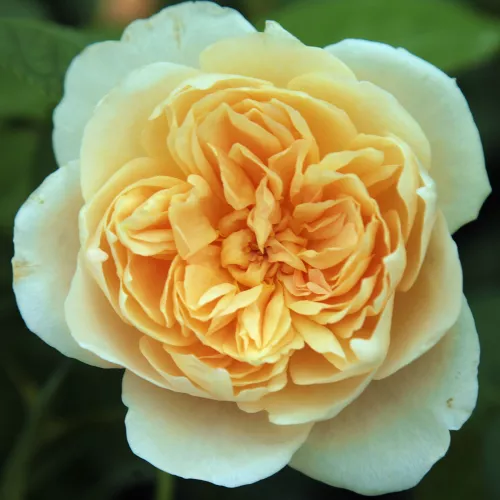
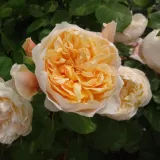
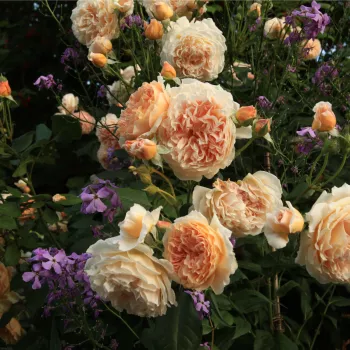
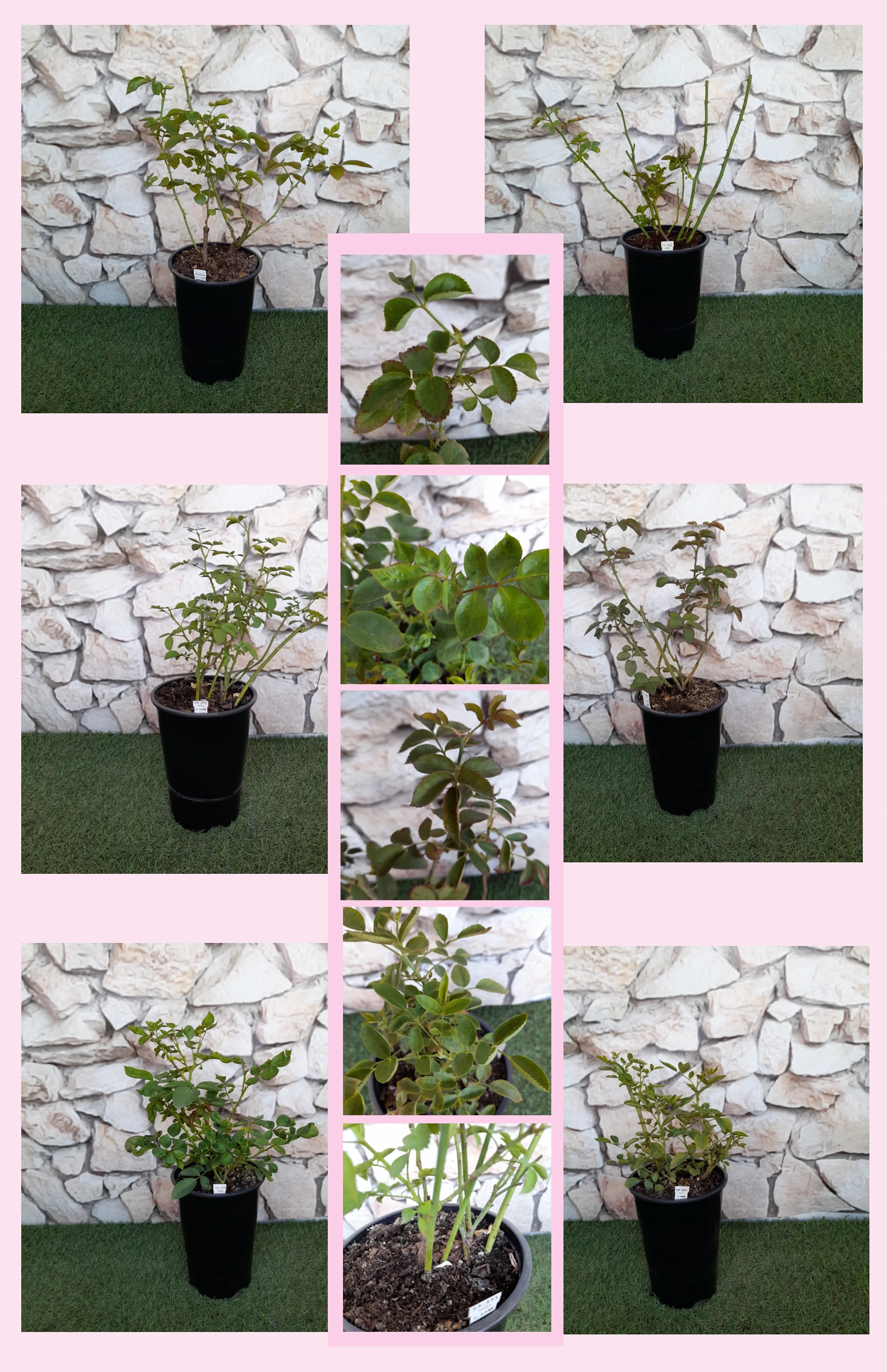
Set the scene for leisurely afternoon tea beneath an arbour with this romantic English shrub rose, combining generous flowering with reassuringly straightforward maintenance. The butter-yellow, rosette blooms with a peach-tinted heart bring a softly nostalgic colour to family gardens, while the strong, classic perfume creates a truly romantic mood around seating areas and cottage-style borders. Upright yet full, it forms a balanced, medium-sized habit that fits comfortably into typical suburban plots, whether as a specimen, low hedge or mixed with herbs and perennials. Container-grown on its own roots, it settles quickly, offering a long-lived, regenerating framework that copes well with exposed, breezy gardens where careful watering and simple soil preparation help manage wetter spells and heavier ground. In the first years you will see roots establish, then shoots build, before the full ornamental picture emerges in year three, giving a stable, dependable presence with only light seasonal pruning and basic plant care needed for lasting enjoyment.
Usage options
| Target area | Reasoning |
|---|
| Feature rose near a terrace or seating area |
The strong, long-lasting classic rose fragrance and warm butter-yellow rosettes make this cultivar ideal beside a patio, bench or arbour, where you can appreciate the scent in passing without intensive upkeep, suiting time-pressed home gardeners. |
| Cottage-style mixed border in a family garden |
Its upright, medium-sized shrub structure and repeat flowering allow it to slot easily into classic cottage borders with perennials and herbs, giving height and colour without overshadowing other plants, ideal for relaxed, storybook-style home owners. |
| Loose flowering hedge along a path or boundary |
Planted at recommended hedge spacing, it creates a soft, romantic screen with dense foliage and scented blooms, offering informal structure and a sense of enclosure without demanding complicated pruning, appealing to traditional-look garden lovers. |
| Specimen rose in a lawn or front garden |
As a solitary shrub at the suggested distance it forms a rounded, balanced presence that draws the eye from the street, providing reliable colour through the season with only moderate care, well suited to busy urban household buyers. |
| Large container on a sunny patio (40–50 litres minimum) |
Its controlled height and upright habit make it suitable for generous pots of 40–50 litres or more, where own-root vigour and repeat flowering give long-term value on balconies and terraces, ideal for compact-space city gardeners. |
| Romantic rose grouping with other English varieties |
Shared parentage with other English roses and a harmonious pastel yellow palette allow easy grouping in small clusters, creating an instant country-house feel with coordinated height and form, attractive for cottage-style planting enthusiasts. |
| Borders in exposed or breezy gardens |
The sturdy, upright shrub form and dense foliage help it stand well in wind, and with sensible watering routines it copes reliably where weather can shift quickly, offering reassurance for those gardening in more challenging coastal-style conditions. |
| Long-term planting in established family gardens |
As an own-root, medium-maintenance shrub, it develops into a durable framework that can regenerate from the base and continue flowering attractively for many years with simple seasonal care, fitting households seeking lasting, low-fuss garden beauty. |
Styling ideas
- Tea-terrace focus – Place one or three shrubs near a bistro set, underplant with thyme and low lavender to echo the fragrance – perfect for homeowners who enjoy relaxed afternoon tea outdoors.
- Cottage border drift – Weave small groups through a border with catmint, pink geraniums and dwarf Michaelmas daisies for a soft, romantic haze – ideal for lovers of English countryside style.
- Front-garden welcome – Use as a lawn-centre specimen with a simple edging of box or Ilex crenata to frame the warm yellow blooms – suited to families wanting classic kerb appeal.
- Patio container duo – Plant a pair in 50-litre terracotta pots flanking French doors, adding trailing thyme at the rim – a good choice for busy urban gardeners with limited beds.
- Informal hedge – Line a path with a staggered row at hedge spacing, interplanting with alliums and soft grasses for movement – attractive to those seeking a natural, storybook walkway.
Technical cultivar profile
| Parameter | Data |
|---|
| Name and registration |
English shrub rose from the English Rose Collection; registered as AUSbreak, traded as Ausbreak English Rose AUSbreak, exhibition name ‘Jayne Austin’, romantic rose group. |
| Origin and breeding |
Bred by David C. H. Austin in the United Kingdom (1991), from ‘Graham Thomas’ × ‘Tamora’; introduced after 1993 by David Austin Roses Ltd. and registered in 1993. |
| Growth and structural characteristics |
Medium upright shrub, around 100–160 cm tall and 90–150 cm wide, moderately thorny, with dense, glossy mid-green foliage giving a full, balanced presence in typical garden borders. |
| Flower morphology |
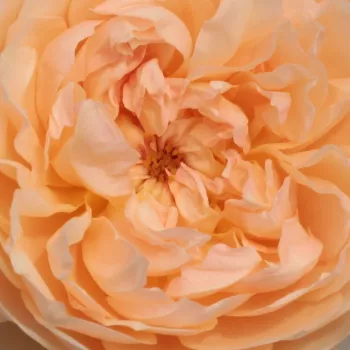
Very double, rosette-shaped corymbose blooms with over 40 petals, medium-sized at approximately 1.5–2.75 inches across, repeating well with an abundant second flush after the main flowering. |
| Colour data and phenology |
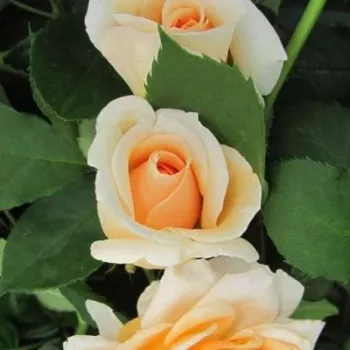
Butter-yellow flowers with a peach-toned centre; buds cream-yellow with golden tips, fading to milky or butter-white in stronger sun, with colours remaining richer and warmer in cooler conditions. |
| Fragrance and aroma |
Strong, long-lasting classic rose fragrance, designed primarily for ornamental garden enjoyment rather than pollinator support, as the very double blooms tend to conceal stamens and nectar. |
| Hip characteristics |
Limited hip set due to very double flowers; occasional small spherical orange-red hips of about 9–15 mm diameter may form, adding a modest decorative element in late season. |
| Resistance and winter hardiness |
Medium disease resistance to mildew, black spot and rust; hardy to approximately −26 to −23 °C (RHS H7, Swedish zone 4, USDA 5b) with moderate heat and drought tolerance given regular watering. |
| Horticultural recommendations |
Best in sunny positions with 100–180 cm spacing depending on use; plant at 0.8–1.0 plants/m², water regularly in dry spells, and deadhead some spent blooms to support tidy repeat flowering. |
AUSbreak offers fragrant, romantic blooms, a manageable upright shrub form and long-lived own-root reliability; consider it if you would like enduring cottage charm with only moderate, straightforward care.