ISPAHAN – pink historic Damask rose
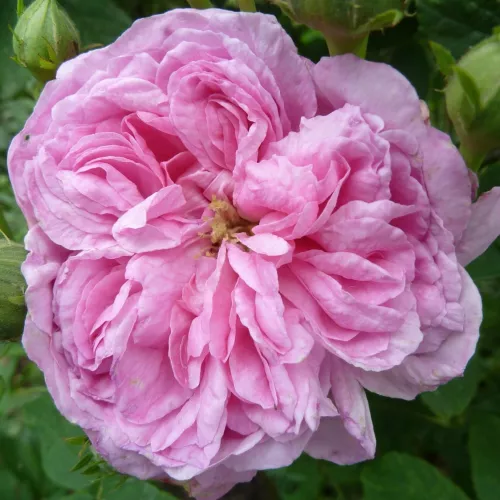
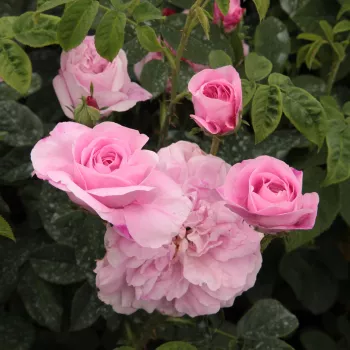
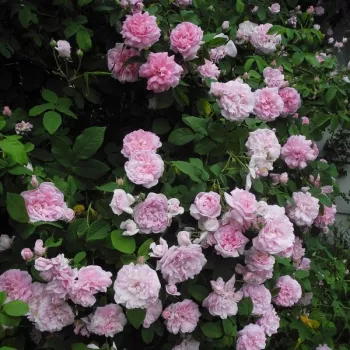
Invite the romance of an old Persian courtyard into an English cottage garden with Ispahan, a classic Damask shrub rose that brings a soft, storybook atmosphere to family spaces. Its arching, bushy growth and cascades of pastel pink, rosette blooms create a natural summer screen, ideal beside a seating area or along a boundary, while the very strong, traditional Damask perfume fills the garden during its generous main flush. On its own roots it develops steadily for a long-lived, reliable structure, building strength below ground before rewarding you with fuller, more abundant flowering above. Once established, it copes well with warmer spells and breezier conditions near the coast, handling blustery, rain-laden weather with reassuring poise. Medium maintenance suits busy gardeners: light annual pruning, simple deadheading and occasional plant protection keep this heritage treasure tidy, while a raised bed or improved soil helps it settle even into heavier clay and chalky plots typical of many UK family gardens.
Usage options
| Target area |
Reasoning |
| Cottage-style focal shrub near a terrace or seating area |
Ispahan forms a tall, bushy shrub with arching stems and masses of soft pink, rosette blooms, perfect for framing a bench or tea corner with a romantic, old-rose presence in midsummer – ideal for those who love cottage-garden. |
| Lightly formal flowering hedge along a boundary or path |
With a height of about 160–220 cm and moderately dense, grey-green foliage, this rose creates a soft, lightly structured hedge when planted at the recommended spacing, giving privacy and gentle enclosure – suited to family gardens seeking screening. |
| Own-root specimen for long-term, low-fuss permanence |
As an own-root plant, Ispahan establishes a durable framework that can regenerate from the base if winter or pruning are severe, offering stable ornamental value over many years with only moderate care – attractive for gardeners prioritising longevity. |
| Fragrant feature beside paths, gates or front doors |
The very strong, garden-filling Damask scent is concentrated during its main flowering, so a position near entrances or frequently used paths lets you enjoy the perfume daily in passing – perfect for scent-focused enthusiasts. |
| Low-intervention border backbone in traditional mixed planting |
Medium maintenance and good hardiness down to approximately –30 °C make Ispahan a reassuring structural shrub in mixed borders, needing mainly annual pruning and basic health checks rather than constant attention – reassuring for time-poor owners. |
| Historic rose collection or heritage corner in a family garden |
As a Damask rose introduced in the early nineteenth century and honoured with respected international awards, Ispahan adds genuine historical character and credibility to heritage-themed plantings – appealing to collectors and history-minded gardeners. |
| Relaxed screening in breezier or more exposed positions |
The tall, bushy habit and good tolerance of heat and variable weather let Ispahan provide soft screening where wind and rain are frequent, especially in open or coastal gardens needing movement-friendly structure – useful for exposed-plot households. |
| Country-style cutting patch or seasonal bouquet source |
Although it blooms once, the clusters of small, very full rosettes give charming, old-fashioned stems for seasonal arrangements, rewarding a simple yearly cycle of care with a memorable flush of cut flowers – ideal for relaxed home florists. |
Styling ideas
- Roses-and-lavender border – Underplant Ispahan with lavender and catmint to echo its pastel pinks and fragrance in a low, humming edge – perfect for traditionalists who enjoy a calm, coordinated palette.
- Soft-hedged walkway – Plant a loose row along a garden path, threading in mock orange and airy perennials for a scented summer tunnel – ideal for families who want romance without strict formality.
- Kitchen-garden backdrop – Use Ispahan as a tall, flowering background to herbs and vegetables, softening boundaries while adding scent and cottage charm – suited to home growers who like beauty with practicality.
- Heritage-rose corner – Combine this Damask with other historic roses and old-fashioned shrubs for a period feel near a bench – attractive to those who value stories and provenance in their planting.
- Pastel summer screen – Group several plants at hedge spacing near a terrace to filter views and frame afternoon tea with scented pink clouds – ideal for homeowners seeking gentle privacy rather than hard fencing.
Technical cultivar profile
| Parameter |
Data |
| Name and registration |
Ispahan is a historic Damask shrub rose marketed as ISPAHAN – pink historic Damask rose; widely known simply as ‘Ispahan’, with no formal registration recorded. |
| Origin and breeding |
Originating from unknown selection within Rosa × damascena, probably by natural selection; introduced around 1832, with earlier cultivation records from about 1827. |
| Awards and recognition |
Holds the RHS Award of Garden Merit and high disease-resistance classification from Montréal Botanical Garden, plus notable show honours including American Rose Society Dowager Rose Queen. |
| Growth and structural characteristics |
Tall, bushy shrub reaching about 160–220 cm high and 130–180 cm wide, with moderately dense, matt grey-green foliage and relatively sparse prickles, forming a soft yet substantial garden presence. |
| Flower morphology |
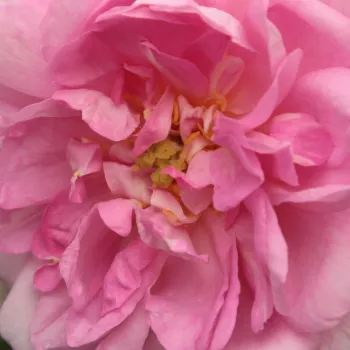
Produces small, very full, rosette-shaped blooms in medium clusters; petal count exceeds forty, creating plush, layered flowers in a once-flowering, non-remontant summer flush. |
| Colour data and phenology |
Opens clear light pink with a dewy sheen, then softens through pastel tones toward near-silk white centres with powder-pink edges; colour persists better in cooler, less intense sunlight. |
| Fragrance and aroma |
Exudes a very strong, classic Damask rose scent that easily fills the surrounding garden area during peak bloom, valued for traditional, richly perfumed summer displays. |
| Hip characteristics |
Hip set is generally sparse due to very double flowers; where formed, hips are ellipsoidal, orange-red and about 15–22 mm in diameter, adding discrete seasonal interest. |
| Resistance and winter hardiness |
Hardy to approximately –32 to –29 °C (RHS H7, USDA 4b), with medium resistance to black spot and powdery mildew, good rust resistance, and reliable performance given sensible cultural care. |
| Horticultural recommendations |
Best as specimen or hedge at 130–210 cm spacing; tolerates partial shade, prefers improved soil in heavy clay; maintenance is moderate, with occasional protection during high disease pressure. |
Ispahan offers romantic historic charm, a tall, bushy presence and powerful Damask fragrance on a durable own-root framework, making it a thoughtful choice for long-lived, characterful planting.