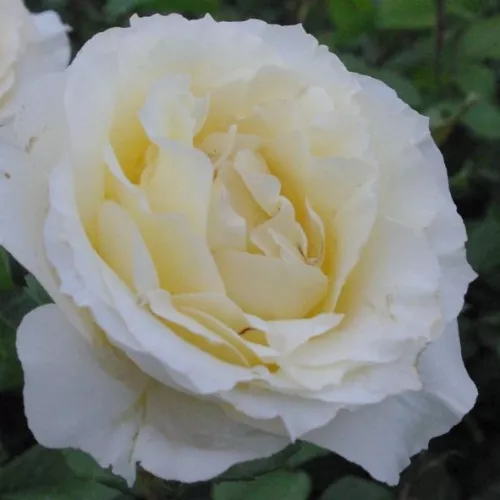
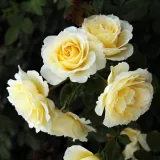
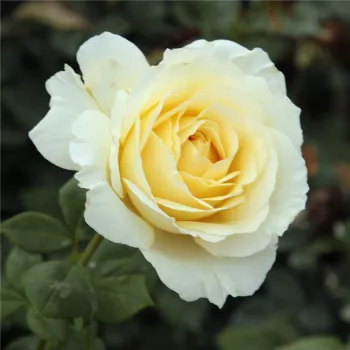
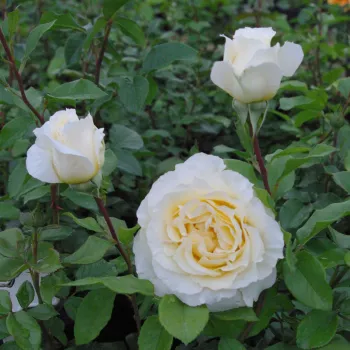
IRIS HONEY – cream-coloured hybrid tea rose
Step into a storybook corner of your own garden with IRIS HONEY, a creamy hybrid tea rose that brings afternoon-tea romance to even the busiest family plot. Its upright, bushy habit and medium, ball-shaped blooms create a soft-focus structure that works beautifully in cottage-style borders and kitchen gardens. Bred for strong health, it offers dependable resistance to common rose diseases, keeping maintenance pleasantly light. As an own-root plant, it settles in securely and ages with quiet grace, regenerating well after pruning and living on as a long-term feature. Ideal for UK conditions, it copes reliably with damp, unsettled weather and the kind of coastal winds that challenge less robust roses. The flowers open in warm butter-cream, fading to gentle ivory tones that sit harmoniously with herbaceous perennials and informal hedging, while the mild rosy fragrance invites you to pause at close quarters. In the first seasons it focuses on roots and then on leafy growth, before maturing into its full display of elegant blooms that quietly enhance your garden’s character.
Usage options
| Target area | Reasoning |
|---|
| Small to medium cottage-style borders |
IRIS HONEY’s upright, bushy form and medium height allow you to build layered, traditional borders without overwhelming a modest family garden, giving clear structure and gentle vertical interest with minimal planning for beginners. |
| Low-maintenance family rose bed |
The variety’s good disease resistance and low intervention needs mean fewer sprays, less fuss and a tidy appearance through the season, suiting busy households who want reliable flowers but limited weekend time for urban-gardeners. |
| Cutting patch near the kitchen garden |
The elegant, ball-shaped hybrid tea blooms and sturdy stems lend themselves to vases and jugs on the table, offering a regular supply of cream-toned flowers for informal arrangements valued by home-entertainers. |
| Feature rose by a seating area or arbour |
The soft cream colouring and mild rosy scent are best enjoyed up close, creating a calm, cosy atmosphere around benches and arbours for quiet evening tea appreciated by romantic-traditionalists. |
| Mixed border with perennials and herbs |
The gentle colour harmonises easily with sages, yarrows and other cottage perennials, while its compact spread leaves room for seasonal planting, appealing to creative-planters. |
| Roses in breezier or exposed gardens |
The bushy habit and steady growth help the plant anchor well and stand up to unsettled, wind-prone weather that often affects UK gardens near open ground, reassuring cautious coastal-owners. |
| Long-term structure in family gardens |
As an own-root rose, IRIS HONEY regenerates well after pruning or winter damage and maintains its character over many years, making it a sound, enduring choice for investment-minded homeowners. |
| Large containers on patios and terraces |
In a generously sized container of at least 40–50 litres with good drainage, its upright habit and dense foliage create a tidy, vertical accent that complements seating and dining areas loved by balcony-gardeners. |
Styling ideas
- Tea-Table Border – Plant IRIS HONEY along a small terrace with lavender and low box edging to frame a bistro set, ideal for relaxed afternoon tea – perfect for lovers of calm, traditional seating areas.
- Cottage Cutting Strip – Run a narrow row with salvia and yarrow in the kitchen garden, giving a steady flow of cream blooms for jugs indoors – ideal for home florists who like easy picking.
- Romantic Arbour – Position IRIS HONEY in pairs leading to an arch or arbour, underplanting with soft catmint and hardy geraniums – suited to those seeking a storybook garden entrance.
- Patio Feature Pot – Grow a single plant in a 50‑litre clay pot with trailing thyme at the rim for structure and scent – appealing to balcony and courtyard owners with limited space.
- Family-Friendly Rose Corner – Group several plants in a sunny corner with simple grasses, creating a low-care focal point – ideal for busy families wanting elegance without complex maintenance.
Technical cultivar profile
| Parameter | Data |
|---|
| Name and registration |
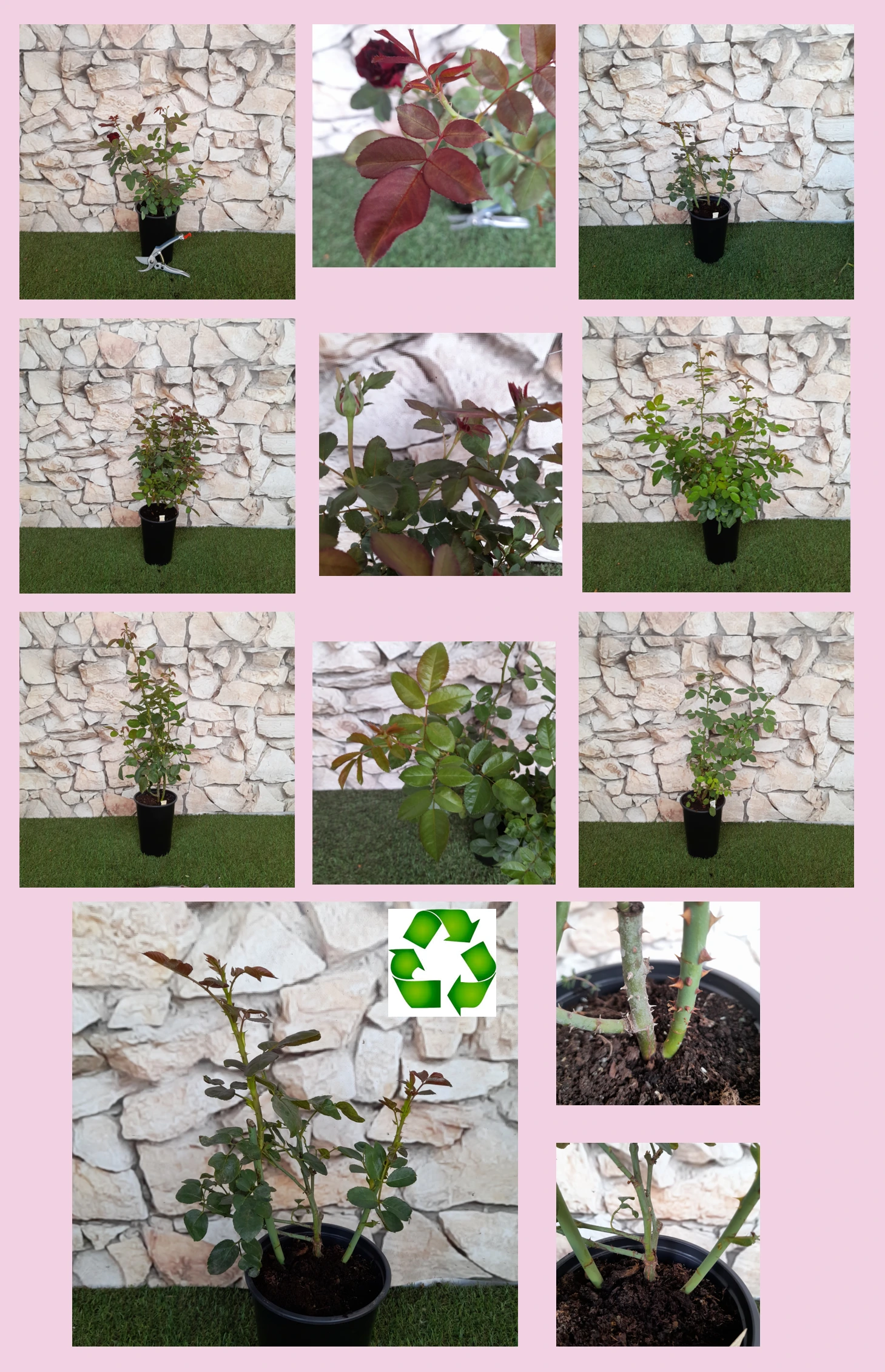
IRIS HONEY is a cream-coloured hybrid tea rose sold in the darinaROSE ORIGINAL 2-litre own-root range; detailed registration history is not recorded in available sources. |
| Origin and breeding |
The exact breeder, parentage and year of origin are unknown; the cultivar is distributed as a reliable garden hybrid tea rose of unidentified but proven background. |
| Growth and structural characteristics |
Vigorous, upright, bushy shrub reaching about 95–125 cm high and 80–110 cm wide, with dense, matt, light-green foliage and moderate prickles forming a well-filled, structural garden presence. |
| Flower morphology |
Medium-sized, double flowers with 26–39 petals are borne mainly singly, showing a rounded ball to pompon shape and repeating in generous flushes throughout the flowering season. |
| Colour data and phenology |
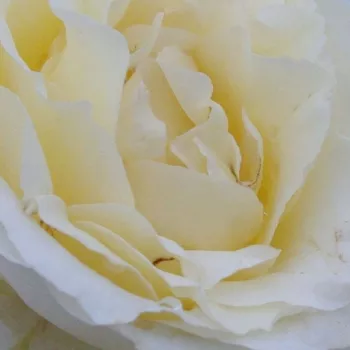
Warm butter-yellow buds open to soft cream with yellowish-white tones, RHS 11D to 158C, fading gently to creamy white while retaining an even, elegant impression on the bush. |
| Fragrance and aroma |
The scent has a gentle rosy character, noticeable mainly at close range rather than across the garden, adding discreet fragrance without overwhelming nearby seating or windows. |
| Hip characteristics |
Occasional small hips are produced, usually rounded, about 10–16 mm across, adding modest seasonal interest without significantly affecting overall flowering performance in the garden. |
| Resistance and winter hardiness |
Shows good resistance to major rose diseases such as black spot, powdery mildew and rust, and is hardy to approximately −26 to −23 °C (RHS H7, USDA Zone 5b, Swedish Zone 4). |
| Horticultural recommendations |
Suited to borders, specimen planting and cutting; plant 60 cm apart in beds, 50 cm for low hedges, or 100 cm as individuals, in fertile soil with regular watering during establishment. |
IRIS HONEY offers creamy, romantic blooms on a healthy, low-maintenance shrub that thrives for years as an own-root rose; consider it if you want dependable elegance with very little complication.