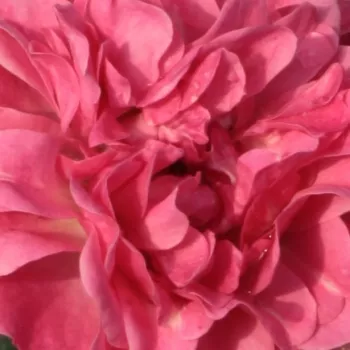
INGRID STENZIG – pink bedding polyantha rose
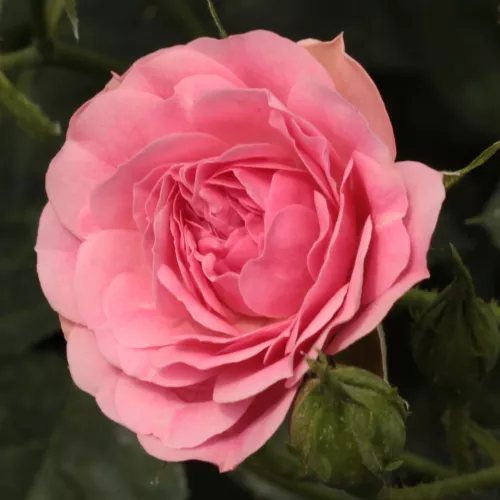
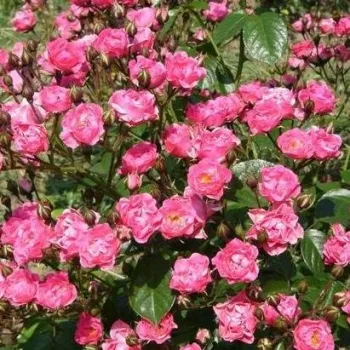
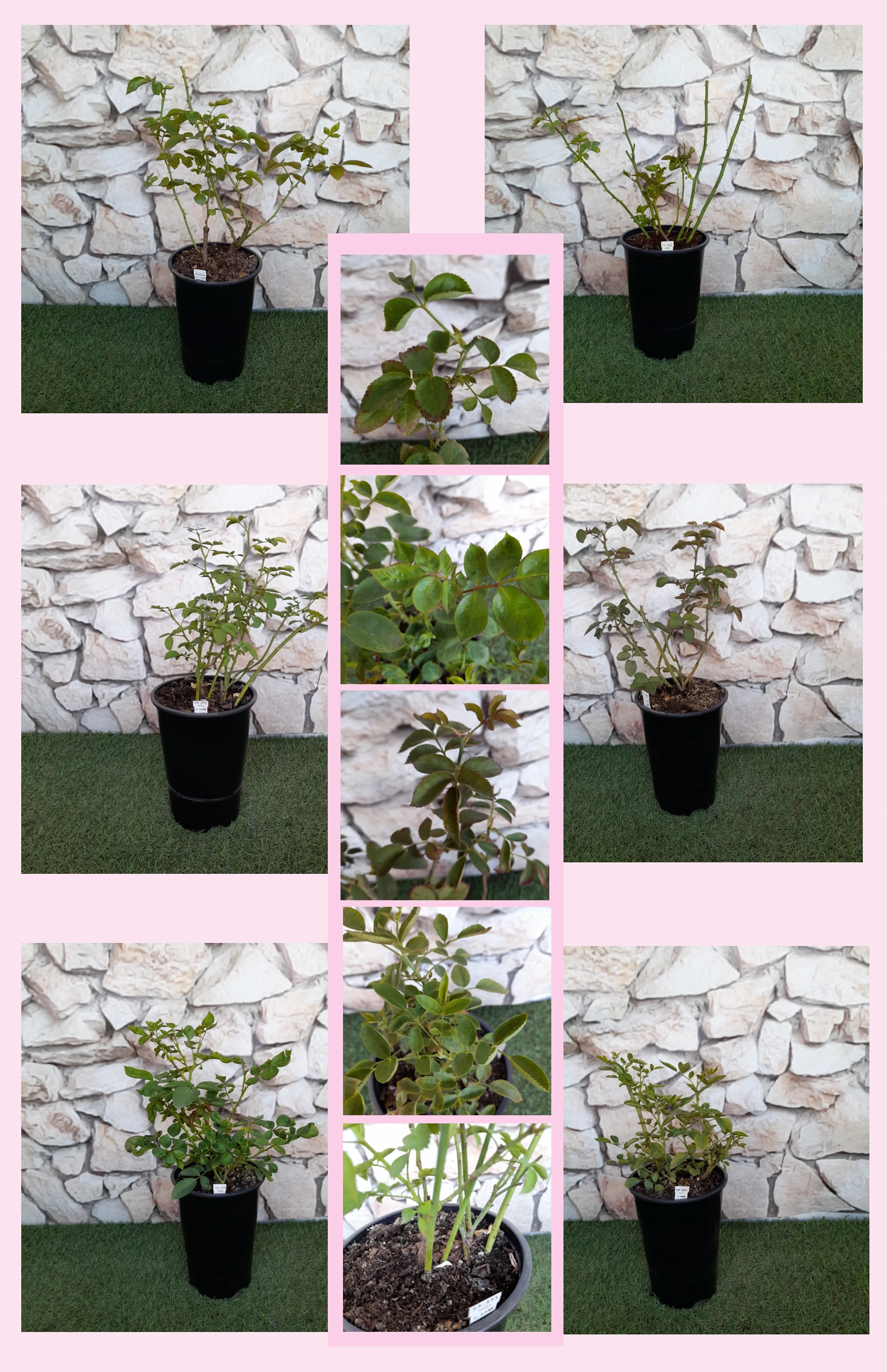
Under a cottage-style arbour or along a sunny path, Ingrid Stenzig creates a low, bushy sea of warm pink, ideal where wind and rain can ruffle taller roses. Its compact habit and dense, glossy foliage lend an instant sense of cosy enclosure, while clusters of pompon blooms repeat through summer with remarkably little intervention. As an own-root plant, it builds steadily from a well-anchored first year to fuller top growth and, by the third season, a settled, storybook presence that suits small family gardens. Plant in groups for impactful edging, dot through a kitchen garden for romantic colour, or tuck into large containers on a terrace for low-maintenance charm. Its semi-double flowers add a soft, feminine note, while moderate fragrance keeps it unobtrusive near seating areas, making it a welcoming choice for relaxed, afternoon-tea corners.
Usage options
| Target area |
Reasoning |
| Front of mixed cottage border |
Compact, bushy growth to about 45 cm keeps flowers at the front of the display, edging paths and beds without smothering neighbouring perennials. Repeating clusters of pink pompons provide reliable colour from early summer, with only occasional deadheading needed for best effect, ideal for beginners. |
| Mass bedding and low hedging |
Short planting distances allow tight, low lines or blocks that read as a continuous pink ribbon, perfect for structuring family gardens. Dense foliage covers the ground, helping to shade the soil and reduce weed pressure, while self-cleaning blooms keep the planting smart between maintenance rounds, suiting busy owners. |
| Large containers and courtyard pots |
The naturally small stature and bushy frame suit 40–50 litre planters, where roots have enough volume to stay evenly moist and well-anchored. In pots by the back door or on a terrace, Ingrid Stenzig offers classic rose charm without dominating space, and simple watering plus a light feed is usually sufficient for urbanites. |
| Kitchen garden paths and potager edges |
In and around vegetable beds, the tidy, low mound defines paths and plots while its semi-double flowers moderately attract pollinators. Own-root plants recover well from the odd knock or pruning misjudgement, supporting long-lived structure in a working garden setting that appeals to food-growers. |
| Partially shaded town garden corners |
Tolerance of partial shade makes this rose suitable for courtyards and side returns that receive only part-day sun. The warm pink colour holds its cheerfulness even where light is softer, and moderate disease resistance is usually adequate with basic airflow and hygiene, attractive for courtyard-owners. |
| Coastal and breezier sites |
The low, dense habit and flexible shoots cope well where taller roses might rock or snap, offering stable structure in exposed gardens. In sites with cool breezes and changeable weather, it continues to flower steadily, needing mainly routine feeding and watering, reassuring for seaside-dwellers. |
| Family gardens with simple care routines |
Moderate maintenance needs suit those happy to water in dry spells and tidy occasionally, but who prefer not to fuss. Own-root plants age gracefully, with the bush renewing from the base if stems are cut back harder some seasons, helping the planting remain attractive for time-poor households. |
| Informal rose standards and feature plants |
Used as the head of a standard, its bushy, rounded habit creates a neat pink canopy above underplanting, giving height without heaviness. The repeated flowering and manageable size make it straightforward to prune into shape each winter, feasible even for novices. |
Styling ideas
- Kitchen-border drift – Plant Ingrid Stenzig in soft, repeating curves along vegetable beds with Verbena hastata ‘White Spires’ and herbs; suits cottage-style cooks and kitchen-garden keepers – ideal for relaxed home-growers.
- Storybook pathway – Line a garden path with closely spaced plants for a continuous pink edging, interplanted with low catmint or thyme; perfect for families wanting a romantic, easy walkway.
- Court-yard trio – Group three plants in a 50 litre terracotta pot, underplant with trailing ivy-leaved pelargoniums; best for town patios needing compact, low-care colour.
- Pastel tapestry – Combine with pale foxgloves, lady’s mantle and soft grasses in a small border; suits those seeking a subtly feminine, traditional cottage palette.
- Pocket-hedge frame – Use as a low hedge around a lawn sitting area or children’s play space, with simple perennials behind; fitting for families wanting gentle structure without heavy pruning work.
Technical cultivar profile
| Characteristic |
Data |
| Name and registration |
Polyantha bedding rose, commercial type “bedding rose”; current trade name Ingrid Stenzig, also listed as Ingrid Stenzig Bedding rose Hassefras; ARS exhibition name Ingrid Stenzig. |
| Origin and breeding |
Sport of ‘Orange Triumph’, bred by Hassefras Bros. in the Netherlands; breeding and introduction around 1951, initially distributed by Bobbink & Atkins in the United States; unregistered cultivar status. |
| Growth and structural characteristics |
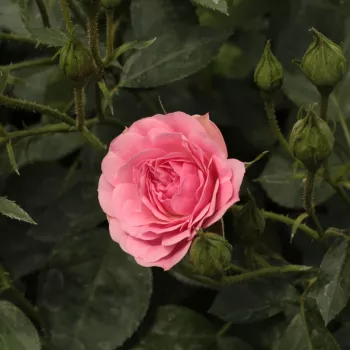
Bushy, low habit reaching about 30–45 cm high and 35–50 cm wide, with dense, glossy, dark green foliage and moderate prickliness; medium self-cleaning, some spent flowers falling naturally, others needing light deadheading. |
| Flower morphology |
Semi-double flowers with 13–25 petals, small size around 0.5–1.5 inches; produced in clusters with ball to pompon form; remontant, with a notably abundant second flush extending seasonal display. |
| Colour data and phenology |
Pink blooms, ARS code DP, RHS 55B outer and 55C inner; buds dark velvety pink, opening vivid pink, then lightening to pale pink with a subtle silvery hue before fading, giving gentle tonal variation across the plant. |
| Fragrance and aroma |
Fragrance is very weak and barely perceptible, with a slightly sweet character on close inspection; suitable for seating areas where strong scent is not desired or where fragrance from other plants should remain dominant. |
| Hip characteristics |
Produces small, spherical red hips in moderate quantities, typically 4–6 mm in diameter; hips add a discreet seasonal accent later in the year but are not a dominant ornamental feature of the cultivar. |
| Resistance and winter hardiness |
Hardy to approximately −21 to −18 °C, RHS rating H7, Swedish zone 3, USDA zone 6b; moderate disease resistance to black spot, mildew and rust; moderate heat tolerance, requiring watering in prolonged dry conditions. |
| Horticultural recommendations |
Best in flowerbeds, edging, parks, containers and as a standard; spacing 30 cm in mass plantings, 25 cm for hedges, 45 cm as specimens; suitable for partial shade, with maintenance mainly light pruning and occasional pest and disease checks. |
INGRID STENZIG offers compact, repeating pink colour for borders and containers, with steady own-root resilience for long-term, low-fuss planting; a thoughtful choice if you value gentle structure and dependable charm.