HORTICOLOR™ – yellow-pink hybrid tea rose - Laperrière
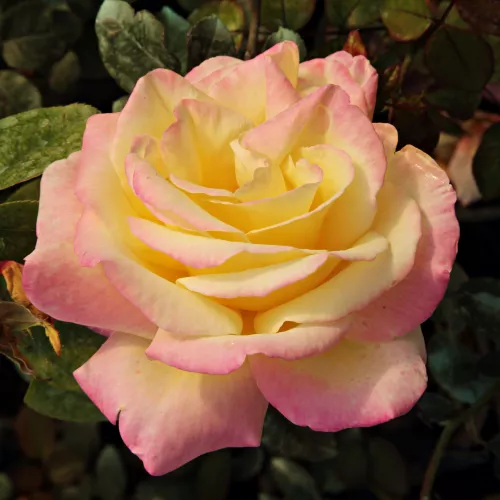
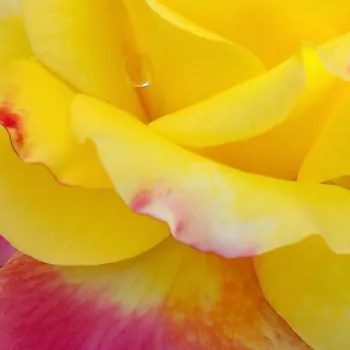
In a classic cottage setting, HORTICOLOR™ brings a quietly luxurious sense of romance to everyday life, its medium-sized, high-centred blooms combining butter-yellow hearts with a soft pink rim that lightens to a dreamy pastel haze as they open. Bred in France for the cut-rose trade yet perfectly suited to British family gardens, this bushy, erect hybrid tea offers season-long flowering with a plentiful second flush and a medium, gently fragrant character ideal for enjoying over afternoon tea. Its reliably healthy foliage shows strong resistance to black spot, powdery mildew and rust, an easy advantage in damper areas where coastal winds and frequent rain can strain less resilient varieties. As an own-root shrub, it matures steadily with roots first, then stronger shoots, before reaching full ornamental presence by the third year, giving a long-lived sense of continuity in borders, hedging lines and large containers. Low maintenance needs and partial-shade tolerance make it a reassuringly practical choice for busy households, while the elegant cut stems and colour-changing blooms add a touch of everyday luxury to kitchen tables and garden gatherings.
Usage options
| Target area | Reasoning |
|---|
| Near a seating area or pergola for afternoon tea |
The medium, noticeable scent and generous blooms create a gentle, enveloping atmosphere without overwhelming a compact patio or arbour. Its bushy, erect habit stays tidy beside paths and furniture, suiting those who want easy charm by their seating area, especially beginners. |
| Cottage-style mixed border in a family garden |
The harmonious yellow-pink colouring blends beautifully with traditional cottage perennials, yet the plant’s strong disease resistance keeps maintenance light in real-world British weather. This balance of romance and resilience particularly appeals to time-pressed homeowners. |
| Feature rose in a large container (40–50 litres or more) |
A compact yet upright structure makes it ideal for large pots, where its own-root vigour supports steady long-term performance. With sensible watering, it copes well on patios and terraces, suiting style-conscious urbanites. |
| Low-maintenance rose bed with repeat colour |
Its remontant nature and plentiful second flowering give weeks of colour from a single planting, while good general disease resistance reduces spraying and fuss. This suits those who prefer ongoing display over intensive care, especially busy families. |
| Cutting patch or kitchen garden edge |
The high-centred, exhibition-style blooms and long, straight stems offer reliable cut flowers, and the colour shift from bud to open flower adds interest in vases. Own-root resilience helps plants bounce back from regular cutting, ideal for enthusiastic home arrangers. |
| Informal flowering hedge along a path or boundary |
Planted at the recommended spacing, its bushy habit knits into a soft, flower-studded line that stays structurally sound over many years. The own-root framework regenerates well after harder pruning, reassuring cautious but style-aware gardeners. |
| Rose planting on chalky or heavier garden soils |
The sturdy constitution and own-root robustness support anchoring and long life where soils need improvement and drainage management, suiting average plots rather than perfect conditions. This gives confidence to practically minded owners. |
| Border focal point developing over several seasons |
The plant builds a durable framework over time, moving from early root establishment to stronger shoots and finally a mature, well-furnished shrub with reliable flowering, an appealing multi-year story for patient but comfort-seeking romantics. |
Styling ideas
- Cottage-hedge – Plant HORTICOLOR™ in a loose, single row with foxgloves and airy ornamental onions for a softly tiered, storybook hedge – ideal for traditionalist family gardeners.
- Pastel-terrace – Use one rose per 50-litre pot, underplanted with low lavender or thyme, to frame a seating area with perfume and gentle colour – perfect for busy urban homeowners.
- Kitchen-posy – Combine a short row of HORTICOLOR™ with herbs and cutting annuals to create a low-effort cutting strip for regular jugfuls indoors – suited to home cooks who love fresh flowers.
- Twilight-border – Mix the yellow-cream blooms with silvery foliage such as Artemisia and soft grasses to catch evening light along a path – appealing to those who enjoy relaxed evening gardens.
- Entry-welcome – Flank a front path with paired shrubs spaced for a light hedge, letting the fragrance greet guests while the robust health keeps care simple – ideal for low-maintenance-focused households.
Technical cultivar profile
| Parameter | Data |
|---|
| Name and registration |
HORTICOLOR™ hybrid tea rose, registered as LAPbal; Hybrid Tea group, exhibition hybrid tea and cut-flower type, commercial name Horticolor™ Hybrid tea rose LAPbal, ARS exhibition name Horticolor. |
| Origin and breeding |
Bred by Louis Laperrière at Roseraie Laperrière, France; hybrid tea rose introduced and registered in 1989, with parentage not recorded. Developed primarily as a quality cut-flower and garden hybrid tea. |
| Growth and structural characteristics |
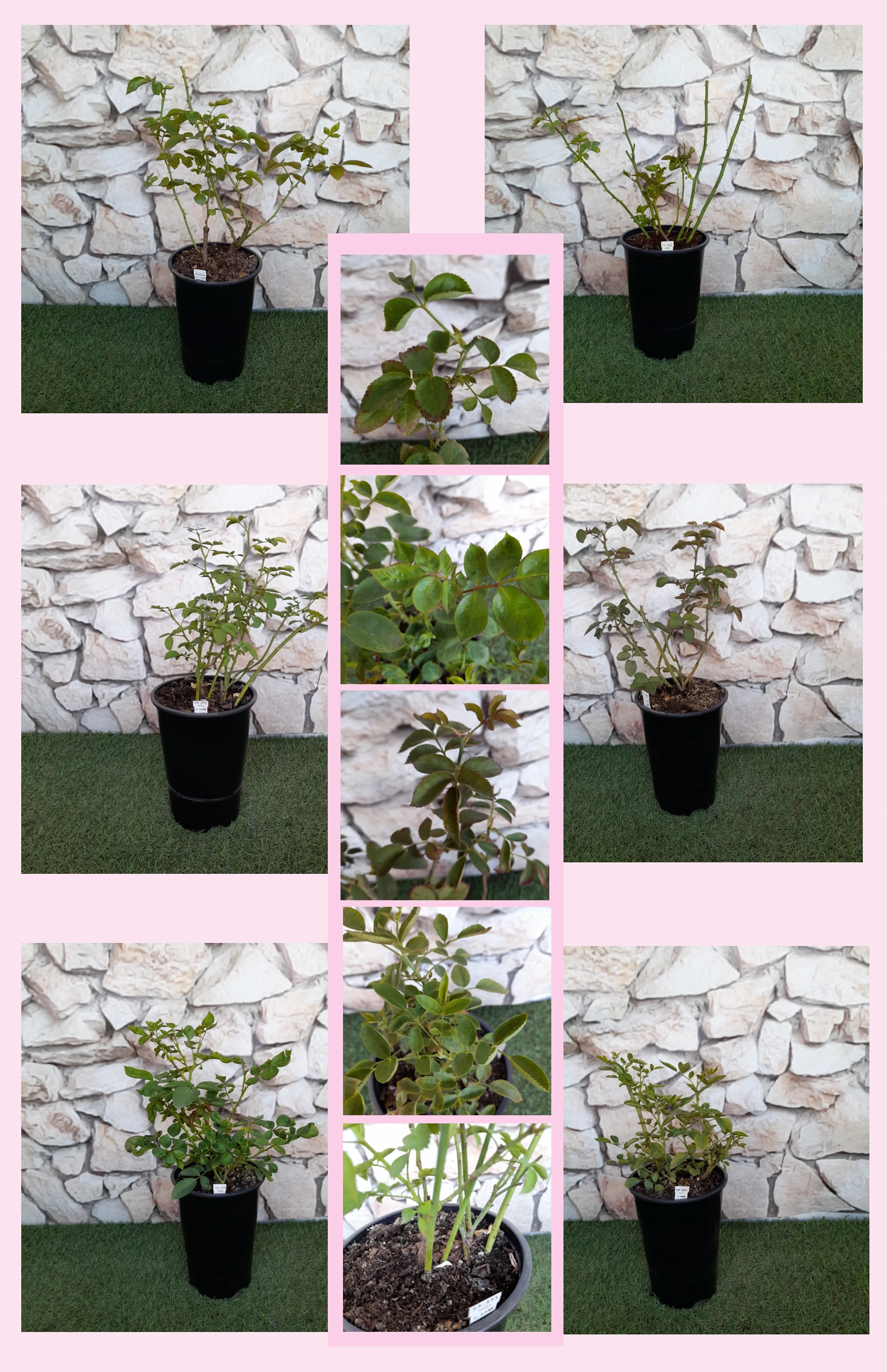
Bushy, erect shrub reaching about 60–85 cm high, spreading 65–95 cm, with moderately dense, matt, dark green foliage and moderate prickliness; well suited to beds, low hedging and larger patio containers. |
| Flower morphology |
High-centred, pointed-budded, very double blooms with over 40 petals, typical of cut-rose forms; large flowers borne mainly singly on stems, with remontant habit and a notably abundant second flush in season. |
| Colour data and phenology |
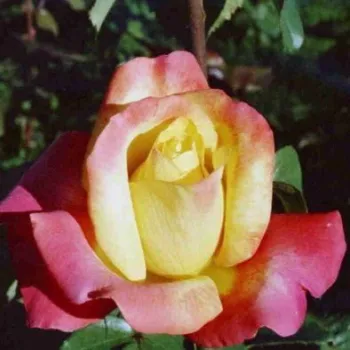
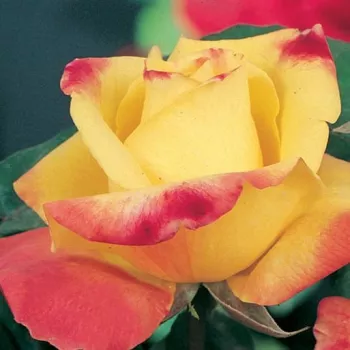
Yellow-pink bicolour, ARS code MR, RHS 53A outer and 53B inner; buds cream-ivory with lemon-yellow glow and rosy tips, maturing to butter-yellow centres and pink rims that fade to straw-cream and soft salmon-pink. |
| Fragrance and aroma |
Medium-strength, pleasant fragrance of soft character, noticeable at conversational distance without being overpowering; suited to seating areas and for cutting, where the scent remains gently present indoors. |
| Hip characteristics |
Due to very double flowers, hip set is limited; occasional small spherical orange-red hips may appear, approximately 10–14 mm in diameter, offering modest autumn interest without prolific self-seeding. |
| Resistance and winter hardiness |
Good overall disease resistance, reported resistant to powdery mildew, black spot and rust; winter hard to approximately –21 to –18 °C, corresponding to RHS H7, Swedish zone 3 and USDA zone 6b conditions. |
| Horticultural recommendations |
Best in flower beds, as a low hedge or for cutting; plant around 50–55 cm apart, up to 3–4 plants/m²; low maintenance with limited intervention, tolerates partial shade and suits own-root, container-grown planting. |
HORTICOLOR™ offers romantic yellow-pink blooms with gentle fragrance, strong disease resistance and reliable repeat flowering on a long-lived own-root framework; a thoughtful choice for those planning a quietly elegant garden.