HORJASPER – red climbing rose – Horner
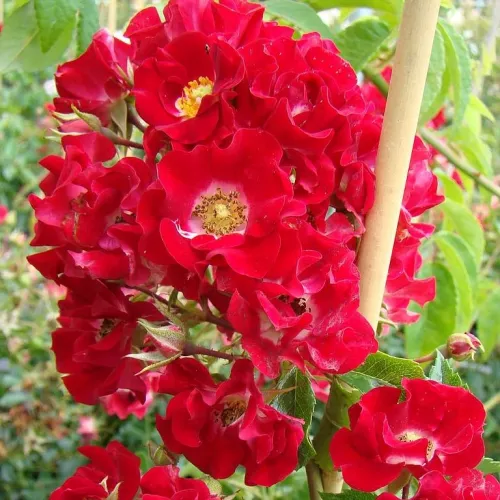
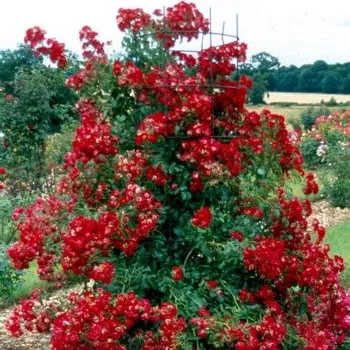
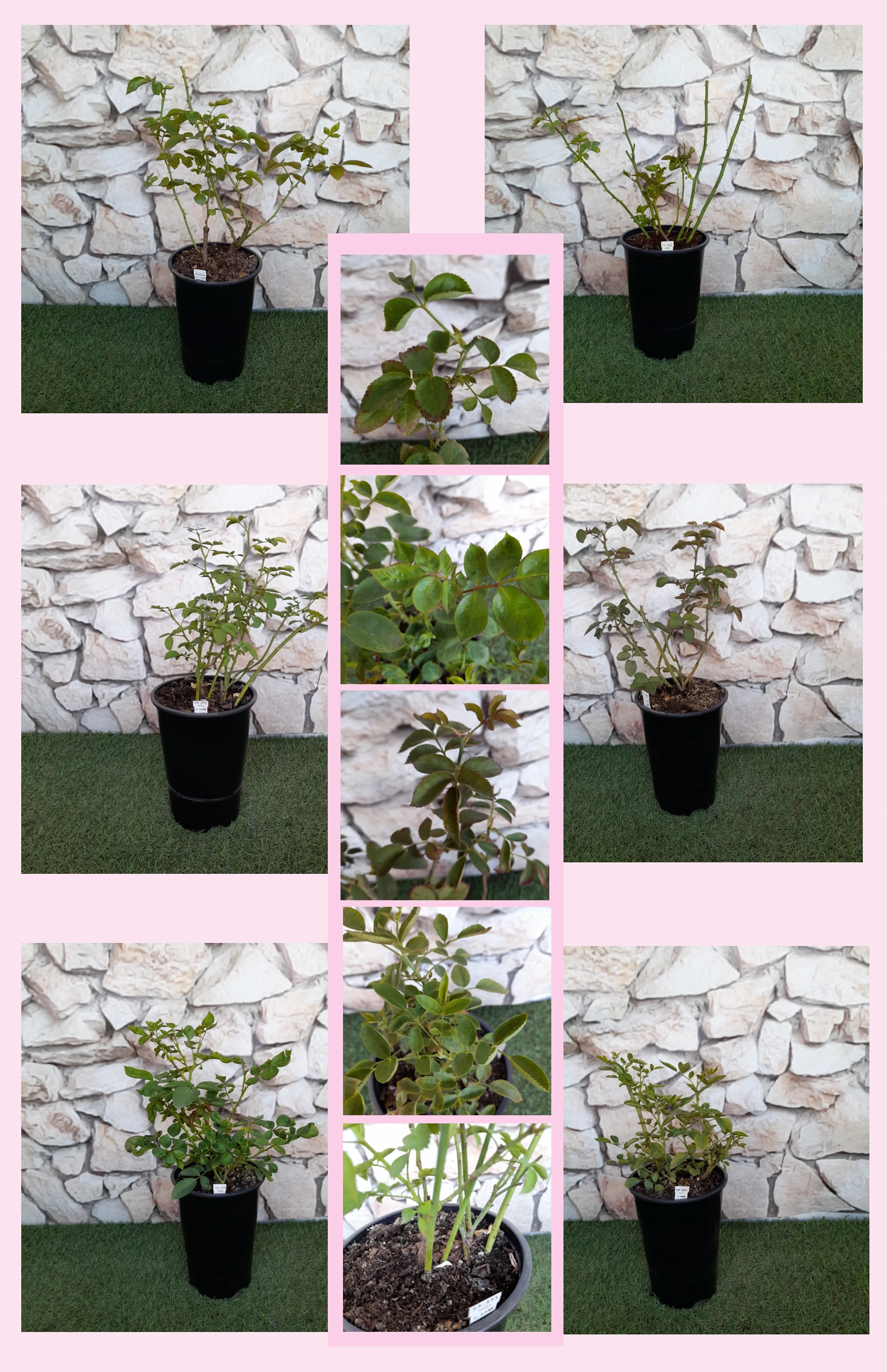
This rambling climber creates a romantic curtain of cherry-red and white-eyed blooms, perfect for pergolas, arches or house walls where you want a cosy, cottage-garden feel without fussy shaping. Its naturally arching habit covers structures quickly, while the semi-double, self-cleaning flowers keep the plant looking fresh with minimal deadheading. Colour holds remarkably vivid even in strong sun, and the glossy dark foliage gives a permanent green backdrop through the season. Own-root plants make the rose particularly long-lived, recovering well from pruning and supporting a stable display over time. Easy to train on fences in gardens that can be breezy and often exposed to coastal rain and wind conditions, it settles reliably with simple, regular care. In the first years it builds roots, then strong shoots, and by the third season you can expect its full, storybook ornamental value.
Usage options
| Target area | Reasoning |
|---|
| Family pergola or tea arbour |
Trains readily over a pergola or simple timber frame, giving a soft red-and-white canopy that suggests afternoon tea in an English cottage garden. Self-cleaning flowers reduce spent-bloom tidying, leaving more time for small gardens enjoyed by the whole family. |
| House wall or sunny fence |
The vigorous climbing habit and dense, glossy foliage quickly clothe bare walls or panel fences, creating privacy and softening hard lines. Excellent colour retention means the scarlet-red blooms stay bright against brick or render, appealing to homeowners who value long-season impact. |
| Rose arch over a path |
Flexible canes are easy to fan out over a metal or wooden arch, forming a welcoming entrance to kitchen gardens or cottage-style beds. Repeat flowering ensures multiple flushes, giving a storybook tunnel effect that suits romantic, traditional garden lovers. |
| Pillars and obelisks in borders |
With a height of 3–5 m and a moderate spread, this climber is ideal for training up pillars or obelisks where space is limited. Dense foliage and abundant clusters of semi-double blooms provide vertical drama, prized by gardeners wanting strong structure with manageable maintenance. |
| Large containers on patios |
In 40–50 litre or larger containers with good drainage, it becomes a striking feature rose for patios and small urban gardens. Own-root growth provides resilience and the ability to recover if canes are cut back, reassuring busy owners seeking dependable potted garden colour. |
| Cottage-style mixed border backdrop |
Planted at the back of cottage borders, it offers a romantic, red curtain behind perennials and herbs. Regular protection is required due to disease susceptibility, but its repeat flowering and strong colour make it a worthwhile focal climb for dedicated cottage-style gardeners. |
| Smallholdings and rural hedging runs |
Used along post-and-wire or rail fencing, it forms a floral screen and seasonal barrier, with abundant clusters that suit informal rural settings. The plant’s vigour, own-root stamina and moderate hip set reward long-term planning, attractive to rural households investing in lasting plantings. |
| Coastal and exposed gardens |
Good heat tolerance and solid growth allow it to perform in open, breezy plots where other roses can struggle, especially when sited with some shelter and regular care; it fits gardens that are often breezy and exposed to coastal rain and wind conditions for committed rose enthusiasts. |
Styling ideas
- Storybook arch – Train HORJASPER over a simple wooden arch, underplant with fragrant cranesbill and catmint for a soft, romantic entrance – ideal for cottage-garden traditionalists.
- Kitchen-garden frame – Let it scramble along a rustic timber frame at the edge of a veg patch, with herbs and runner beans below – perfect for rural families who like productive charm.
- Patio statement – Grow in a 50-litre terracotta pot with a slim obelisk, pairing with pots of lavender and chives – suited to busy urban owners wanting a focal climbing rose.
- Cosy pergola – Cover a compact pergola beside a terrace, combining with ivy and late clematis for layered foliage and extended bloom – for homeowners dreaming of afternoon tea corners.
- Boundary veil – Weave along a wire fence behind a mixed shrub line, where its scarlet clusters peek through greenery – attractive to those seeking privacy with cottage-style softness.
Technical cultivar profile
| Parameter | Data |
|---|
| Name and registration |
Repeat-flowering rambler and climbing rose; registered as HORjasper, traded as Horjasper Climbing rose HORjasper; also known under the American exhibition name Rambling Rosie. |
| Origin and breeding |
Bred by Colin P. Horner in the United Kingdom in 2001 from Super Excelsa × (Baby Love × Golden Future); introduced and first distributed by Warner’s Roses in 2005. |
| Awards and recognition |
Holder of Gold Standard Award (2007), RHS Award of Garden Merit (2012), Glasgow Rose Trials Golden Prize (2010) and Hague Rose Trials Bronze Certificate (2010), confirming broad ornamental value. |
| Growth and structural characteristics |
Strong, climbing habit reaching 3–5 m high with 1–2.2 m spread; dense, dark green glossy foliage on thorny canes; suitable for arches, pergolas, walls, fences and tall supports. |
| Flower morphology |
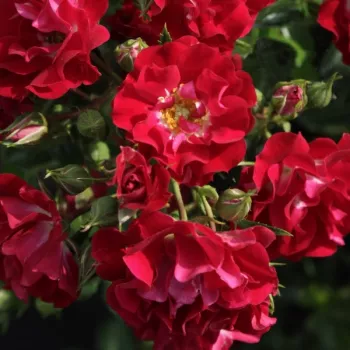
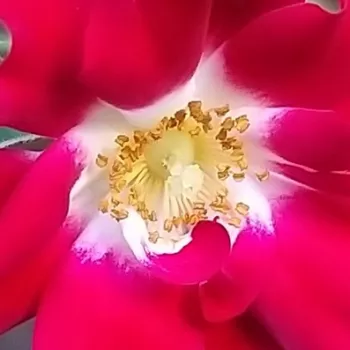
Semi-double, flat flowers in clusters, 13–25 petals, small size (0.5–1.5 in) with good self-cleaning; remontant with an abundant second flush extending the display season. |
| Colour data and phenology |
Intense scarlet-red blooms with a white eye; ARS code MR, RHS 46A outer and 46B inner; colour remains vivid as it fades to carmine-red with an almost white centre in full openness. |
| Fragrance and aroma |
Very faint fragrance with a light rose character, usually only noticeable at close range; semi-double flowers offer occasional interest for pollinators but are not a major nectar source. |
| Hip characteristics |
Forms small spherical hips, 6–10 mm across, in moderate quantity; hips ripen to an orange-red, adding modest late-season interest without significantly weighing down the canes. |
| Resistance and winter hardiness |
Rated RHS H7 and hardy to around −21 to −18 °C; good heat tolerance and moderate drought tolerance, but susceptible to rust and moderately prone to black spot and powdery mildew. |
| Horticultural recommendations |
Best in fertile, well-drained soil with regular feeding and plant protection; plant 1.4–2.4 m apart depending on use; suitable for partial shade and for large containers of at least 40–50 litres. |
HORjasper offers vivid repeat flowering, romantic climbing coverage and resilient own-root growth that rewards patient training and simple care; consider it if you want a long-lived, storybook rose presence in your garden.