HONORINE DE BRABANT – pink historic Bourbon rose - Tanne
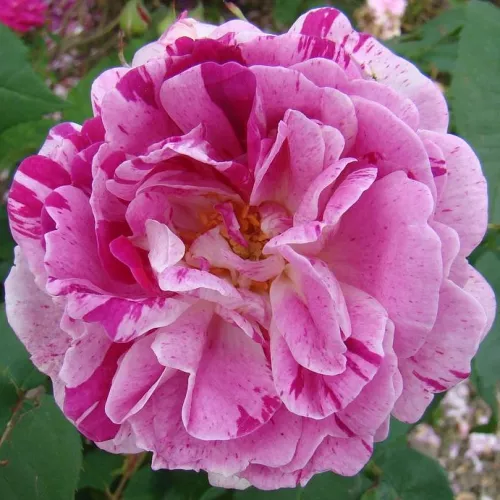
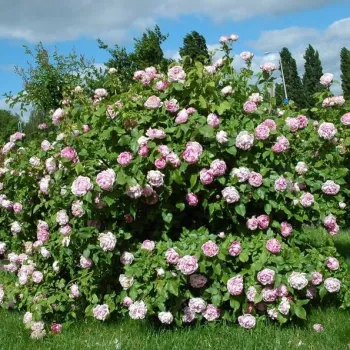
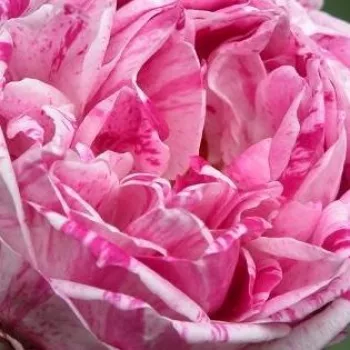
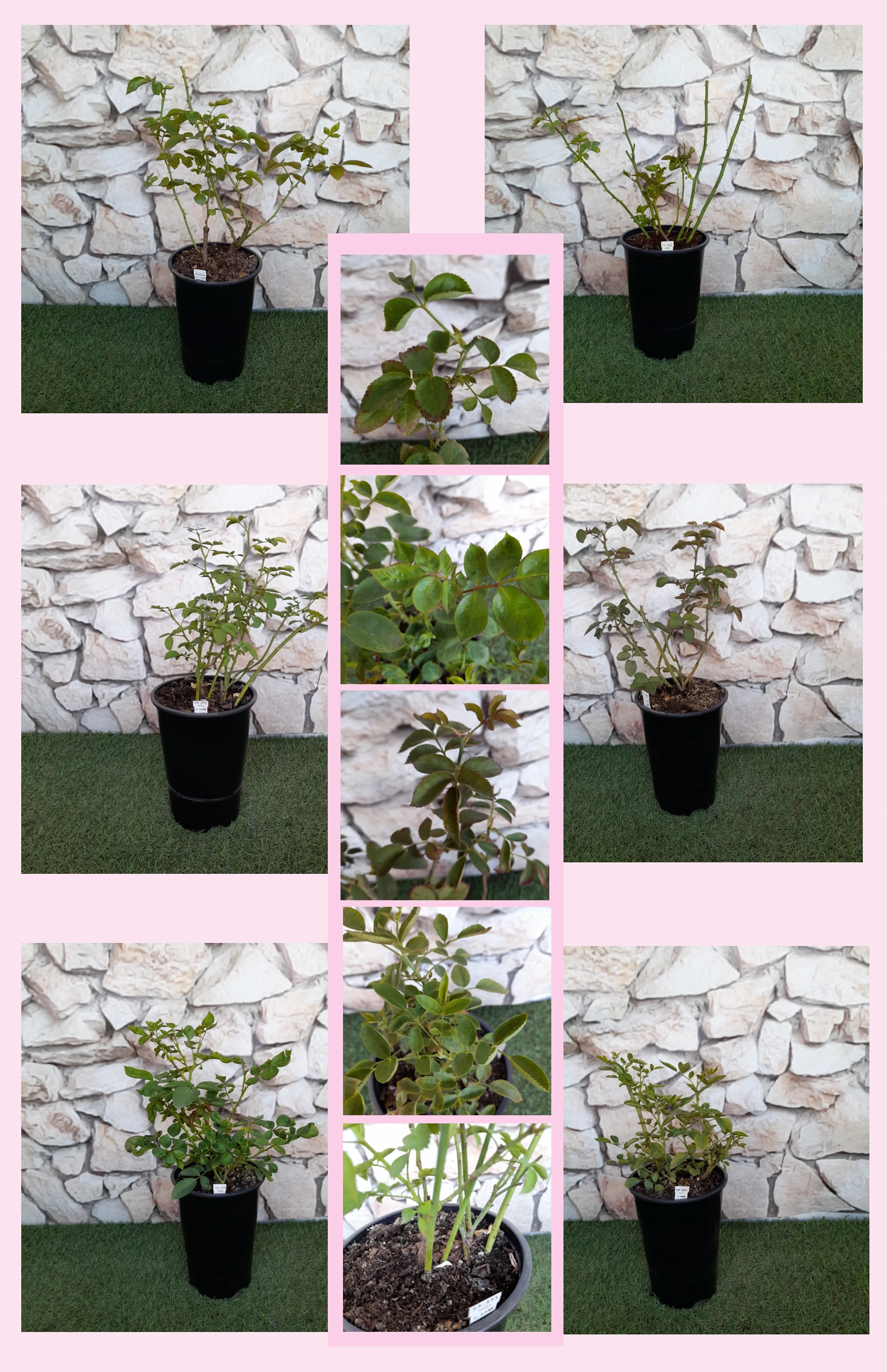
Romantic and gently arching, HONORINE DE BRABANT brings a storybook sense of afternoon charm to family gardens, with striped pink blooms and a strong, fruity fragrance that suits relaxed cottage-style border planting and quiet corners for tea. This bourbon shrub forms a tall, upright yet softly arching framework that anchors beds even in exposed spots, coping reliably with brisk coastal winds and unsettled weather. As an own-root, 2-litre plant it is easy to handle and settle in, rewarding light, practical care with long-term endurance and the ability to regenerate from its own base if winter or pruning are less than perfect. Over time you will see a natural arc: first strong roots, then steadily lengthening shoots, and by about the third year a full, romantic display that feels as if it has always belonged in your garden.
Usage options
| Target area |
Reasoning |
| Feature shrub near a seating area |
The strong, fruity rose scent and distinctive striped petals create an intimate, sensory focus beside a bench, pergola or terrace, ideal for enjoying on still evenings without needing elaborate maintenance, especially for beginners. |
| Cottage-style mixed border |
Its upright, arching growth and dense foliage lend height and gentle structure at the back or middle of a mixed border, blending well with perennials while keeping a traditional look that appeals to lovers of romantic cottage-gardens. |
| Historic or period-themed planting |
As a genuine historic Bourbon rose introduced in 1916, it fits beautifully into schemes that echo traditional manor, village or heritage gardens, suiting those who enjoy plants with a story and classic character-rich collectors. |
| Lightly shaded spots in family gardens |
Its tolerance of partial shade allows planting where many modern roses sulk, such as east-facing fences or dappled areas, helping to fill awkward spaces for householders seeking reliable colour with modest effort homeowners. |
| Small group or informal hedge |
At 150–220 cm tall with 110–160 cm spread, several plants form a loose, flower-laden screen that marks boundaries softly, ideal for defining play or seating areas while keeping a friendly, non-formal feel for family-focused buyers. |
| Season-long ornamental effect |
The remontant habit provides a generous second flush after the first display, so borders do not look “finished” by midsummer, which suits busy gardeners who prefer dependable repeat flowers rather than intensive deadheading. |
| Naturalistic, wildlife-aware planting |
Semi-double flowers offer moderate pollinator interest, and later in the season small orange-red hips extend visual appeal, fitting well into balanced, less formal gardens favoured by those who like relaxed, nature-friendly designs. |
| Own-root, long-lived garden framework |
The own-root habit supports a long lifespan and stable shape, recovering well from weather damage or less precise pruning, even in breezier gardens where secure anchoring against wind is valued by low-intervention gardeners. |
Styling ideas
- Cottage-striping – weave HONORINE DE BRABANT through a mixed border of foxgloves, catmint and hardy geraniums so the striped blooms stand out against soft blues and mauves – ideal for romantic cottage-garden admirers.
- Tea-arbour – train the arching stems along a rustic obelisk or light frame near a small bistro set, underplanted with lavender, for fragrant afternoon tea corners – perfect for homeowners seeking a cosy retreat.
- Pastel-partner – pair with pale delphiniums, pink peonies and lamb’s ear to echo the rose’s muted stripes and dense foliage – suited to those who like calm, storybook borders.
- Historic-avenue – plant a loose line of shrubs at recommended spacing to form an informal, flowered walk, with thyme or creeping baby’s-breath at their feet – attractive for families wanting a traditional garden “pathway”.
- Kitchen-plot – position one or two plants near a rural-style kitchen garden, combining roses with herbs such as thyme and chives to bridge ornamental and productive areas – appealing to cottage-plot and allotment enthusiasts.
Technical cultivar profile
| Parameter |
Data |
| Name and registration |
Honorine de Brabant is a historic Bourbon shrub rose, sold as HONORINE DE BRABANT – pink historic Bourbon rose - Tanne; unregistered cultivar, recognised under the American Rose Society exhibition name. |
| Origin and breeding |
A natural sport of ‘Commandant Beaurepaire’, bred by Hyacinthe Rémi Tanne in France and introduced in 1916; distributed originally by Rémi Tanne, remaining a classic historic garden rose choice. |
| Awards and recognition |
Holds the RHS Award of Garden Merit (AGM), indicating reliable garden performance, sound ornamental value and practicality for UK conditions when grown with reasonable cultural care and attention. |
| Growth and structural characteristics |
Vigorous upright, arching shrub 150–220 cm high and 110–160 cm wide, with dense, lightly glossy light to mid-green foliage and only slight prickliness, forming a substantial, softly cascading framework. |
| Flower morphology |
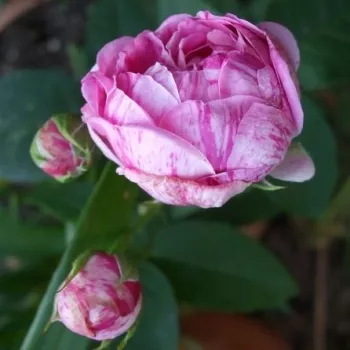
Semi-double, cup-shaped blooms with 13–25 petals in medium size, mainly carried in clusters; remontant with a notably abundant second flowering, though spent flowers may need occasional manual removal. |
| Colour data and phenology |
Light pink base broadly striped crimson-purple; buds creamy pink with lilac-purple streaks, colours softening and striping blurring in strong sun, overall giving a softly variegated, antique pastel effect. |
| Fragrance and aroma |
Strong, distinctive perfume with sweet, fruity, classic rose notes, easily appreciable at close quarters; excellent for perfumed seating areas or paths where passing gardeners can enjoy the scent. |
| Hip characteristics |
Produces moderate numbers of ovoid orange-red hips, around 10–15 mm in diameter, extending interest into autumn and complementing cottage or naturalistic designs without becoming visually dominant. |
| Resistance and winter hardiness |
Hardy to approximately −26 to −23 °C (RHS H7, USDA 5b), with moderate disease resistance; benefits from good air circulation, balanced feeding and routine monitoring to manage common rose diseases. |
| Horticultural recommendations |
Suited to solitary planting, borders, informal hedging and cutting. Plant in well-drained soil, ideally enriched clay or loam, in sun or partial shade; 2-litre own-root plants establish well with steady watering. |
HONORINE DE BRABANT offers fragrant striped blooms, historic charm and a long-lived, regenerating own-root shrub presence in your garden; consider it if you would like a romantic yet undemanding cottage-style rose.