HONEY DIJON™ – yellow bedding grandiflora rose - Sproul
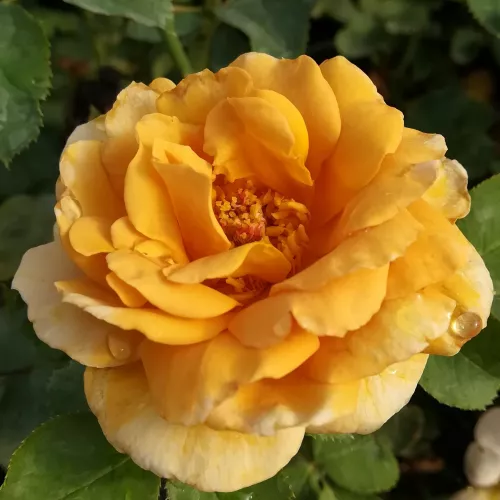
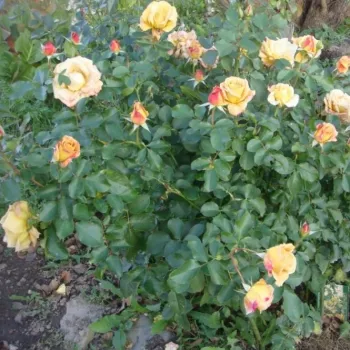
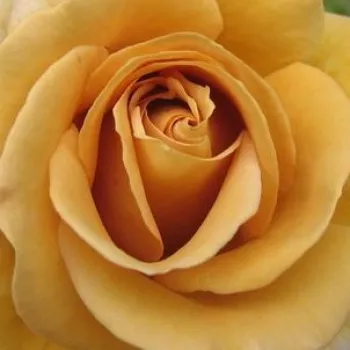
Set the scene for afternoon tea and quiet garden stories with HONEY DIJON™, a grandiflora bedding rose whose honey‑gold blooms bring a gently romantic glow to family plots and cottage borders. Its upright habit and dense, glossy foliage form a naturally tidy structure, suiting small to medium gardens where every plant must earn its place. Own‑root plants settle securely, stand up well to blustery, rain‑laden coastal weather and develop into long‑lived shrubs with reliable flowering. Over time, you will see strong roots, then building shoots, and by the third year its full ornamental value completes the picture. The large, double, caramel‑gold blooms carry a strong, sweet‑fruity fragrance, ideal for cutting for the table or enjoying on the stem, with medium care needs that stay manageable for busy, style‑conscious households.
Usage options
| Target area |
Reasoning |
| Feature rose in a small family flowerbed |
The upright, moderately tall habit and dense foliage allow a single plant to read as a clear focal point without overwhelming a modest border, giving strong visual impact from limited space for style‑conscious beginners. |
| Romantic cottage‑style bedding groups |
Planted at the recommended spacing, the warm honey‑gold flowers repeat through the season, creating a softly traditional, “girly” cottage feel with medium maintenance that suits relaxed, storybook schemes for busy homeowners. |
| Cut‑flower rows in kitchen or cutting gardens |
Long, upright stems with large, double, strongly scented blooms make it a reliable source of caramel‑gold flowers for vases, bringing the charm of the garden indoors for fragrance‑loving gardeners. |
| Own‑root long‑term structure in mixed borders |
As an own‑root shrub it ages steadily, rebuilding from the base after hard pruning and supporting a long lifespan with stable shape, ideal where you want lasting structure with minimal replacements for patient planners. |
| Coastal or breezy suburban plots |
The firm, upright framework and well‑anchoring root system help it stand up to wind and frequent rain in exposed gardens, especially when soil is improved for drainage, reassuring owners of weather‑tested plots. |
| Containers and large terrace planters |
In a 40–50 litre or larger container, its vertical habit and repeat flowers give a generous display near seating areas, while own‑root resilience makes long‑term pot culture more forgiving for time‑pressed city‑dwellers. |
| Low‑chemical, family‑friendly planting schemes |
Medium disease resistance and moderate care needs mean routine checks and simple interventions usually suffice, supporting low chemical use where children and pets share the garden for health‑conscious families. |
| Season‑to‑season development in new gardens |
From a well‑established 2‑litre plant, it settles quickly, then builds top growth and flowering over the next seasons, suiting new gardens where steady improvement is welcome rather than instant perfection for practical starters. |
Styling ideas
- Honeyed‑hedge – Line a path with a loose row of HONEY DIJON™, underplant with lavender for scent and edging; ideal for families wanting a romantic but orderly cottage look.
- Kitchen‑cutting – Combine with rows of herbs and dahlias so you can pick both blooms and ingredients for the table; suits home cooks who like their garden to serve the kitchen too.
- Country‑container – Plant one shrub in a 50‑litre terracotta pot with trailing thyme at the rim; perfect for renters or balcony owners seeking classic cottage charm in limited space.
- Warm‑border – Weave through a mixed border with bronze grasses and late perennials like crocosmia and liatris for an antique‑gold palette; good for gardeners building a coordinated colour story.
- Tea‑corner – Place near a small seating area, paired with scented annuals, so cut blooms and perfume frame afternoon tea outdoors; made for those who value calm, atmospheric garden moments.
Technical cultivar profile
| Category |
Data |
| Name and registration |
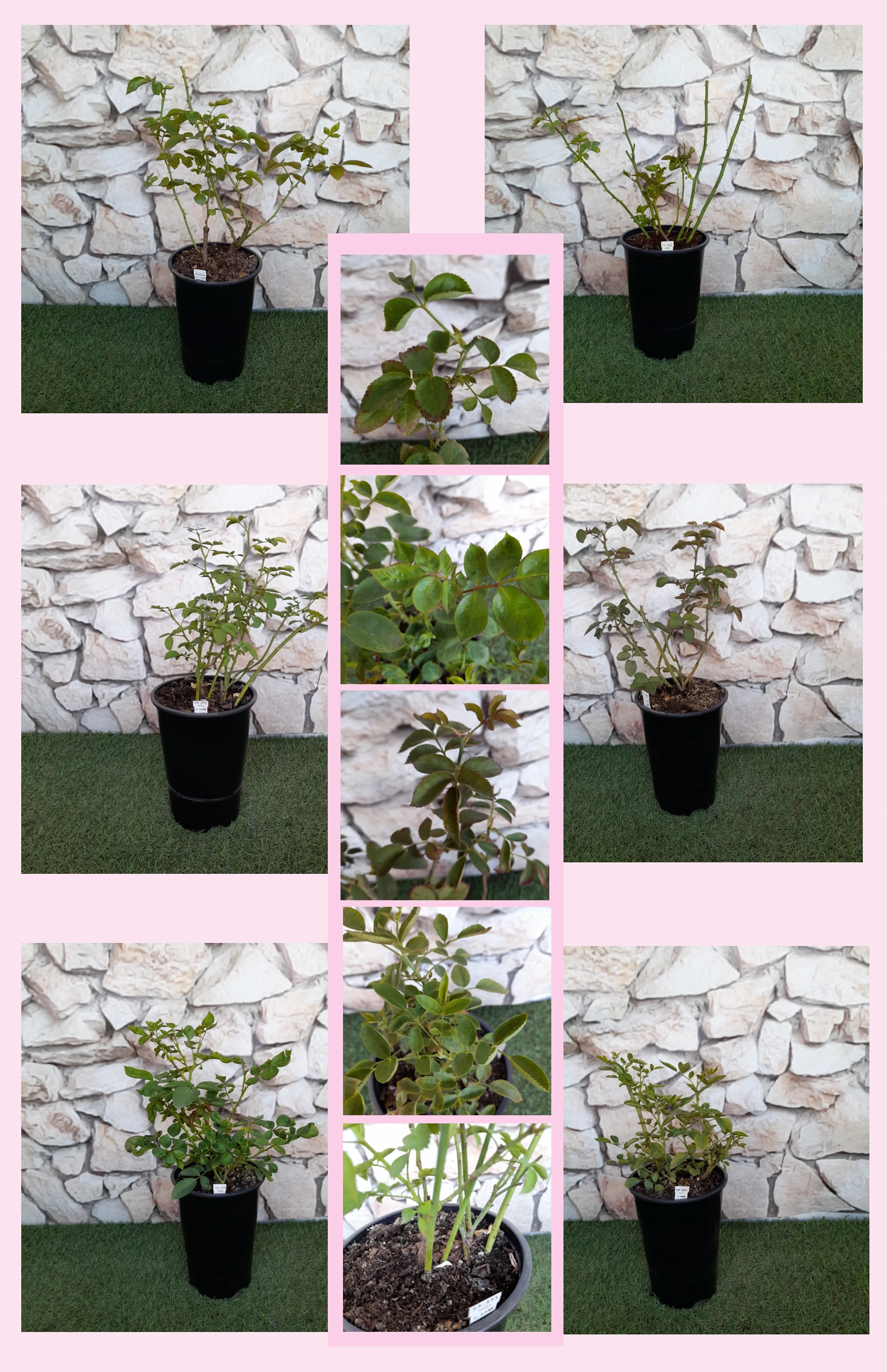
Grandiflora bedding rose; registered as WEKsproulses, marketed as HONEY DIJON™; ARS exhibition name Honey Dijon; premium gold quality, own‑root 2‑litre container‑grown plant for gardens. |
| Origin and breeding |
Bred by James A. Sproul in the United States from ‘Stainless Steel’ × ‘Singin’ in the Rain’; bred and registered in 2003, first introduced commercially in 2005 by Weeks Wholesale Rose Grower. |
| Awards and recognition |
Bronze medal at the National Rose Trial Garden of Australia in 2003 and First Season Certificate of Merit at the Rose Hills International Rose Trials in 2005, confirming solid garden and show performance. |
| Growth and structural characteristics |
Upright, medium‑tall shrub, around 110–150 cm high and 75–105 cm wide, with dense, glossy mid‑green foliage and moderate prickliness, forming a tidy, vertical accent suited to beds, borders and containers. |
| Flower morphology |
Large, double, cup‑shaped blooms with 26–39 petals, typically borne in clusters of three to five on a stem; remontant habit ensures an initial flush followed by a generous second wave of flowering. |
| Colour data and phenology |
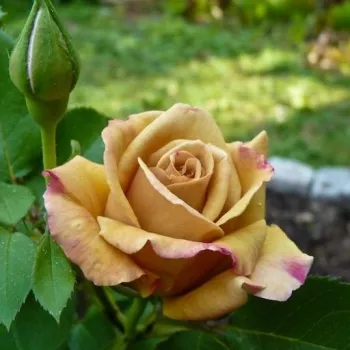
Warm honey‑gold with a bronzed, caramel tone; buds deep caramel‑gold, opening to antique gold with faint pink blush, then lightening towards beige‑gold, with richer copper shades in cooler weather conditions. |
| Fragrance and aroma |
Strong, sweet, fruity perfume that lingers well on the plant and in the vase, giving a noticeable scent presence along paths or near seating areas and making it very suitable for scented cut‑flower use. |
| Hip characteristics |
Occasionally forms small spherical hips, 10–14 mm wide, in a decorative orange‑red tone; hips are incidental rather than a key ornamental feature and may be reduced by regular deadheading of spent blooms. |
| Resistance and winter hardiness |
Rated H7 and hardy to approximately −21 to −18 °C (USDA 6b); medium resistance to black spot, powdery mildew and rust, with good heat tolerance if watered regularly during extended dry periods. |
| Horticultural recommendations |
Best in full sun with improved, free‑draining soil; plant 55–65 cm apart, one metre for specimens; suits beds, hedging, cutting and large containers, with medium maintenance and periodic health monitoring. |
HONEY DIJON™ offers richly scented honey‑gold blooms, an upright space‑saving habit and long‑lived own‑root reliability, making it a thoughtful choice for gardeners seeking enduring cottage‑style character; consider it where romance must also be practical.