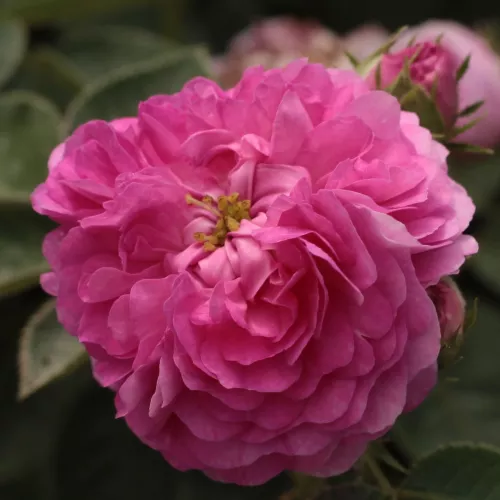
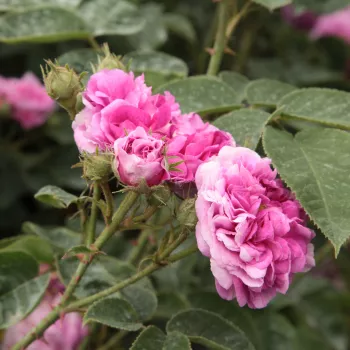
Himmelsauge historic climbing rose – carmine-red “heavenly eye”
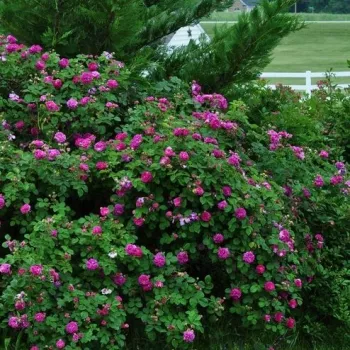
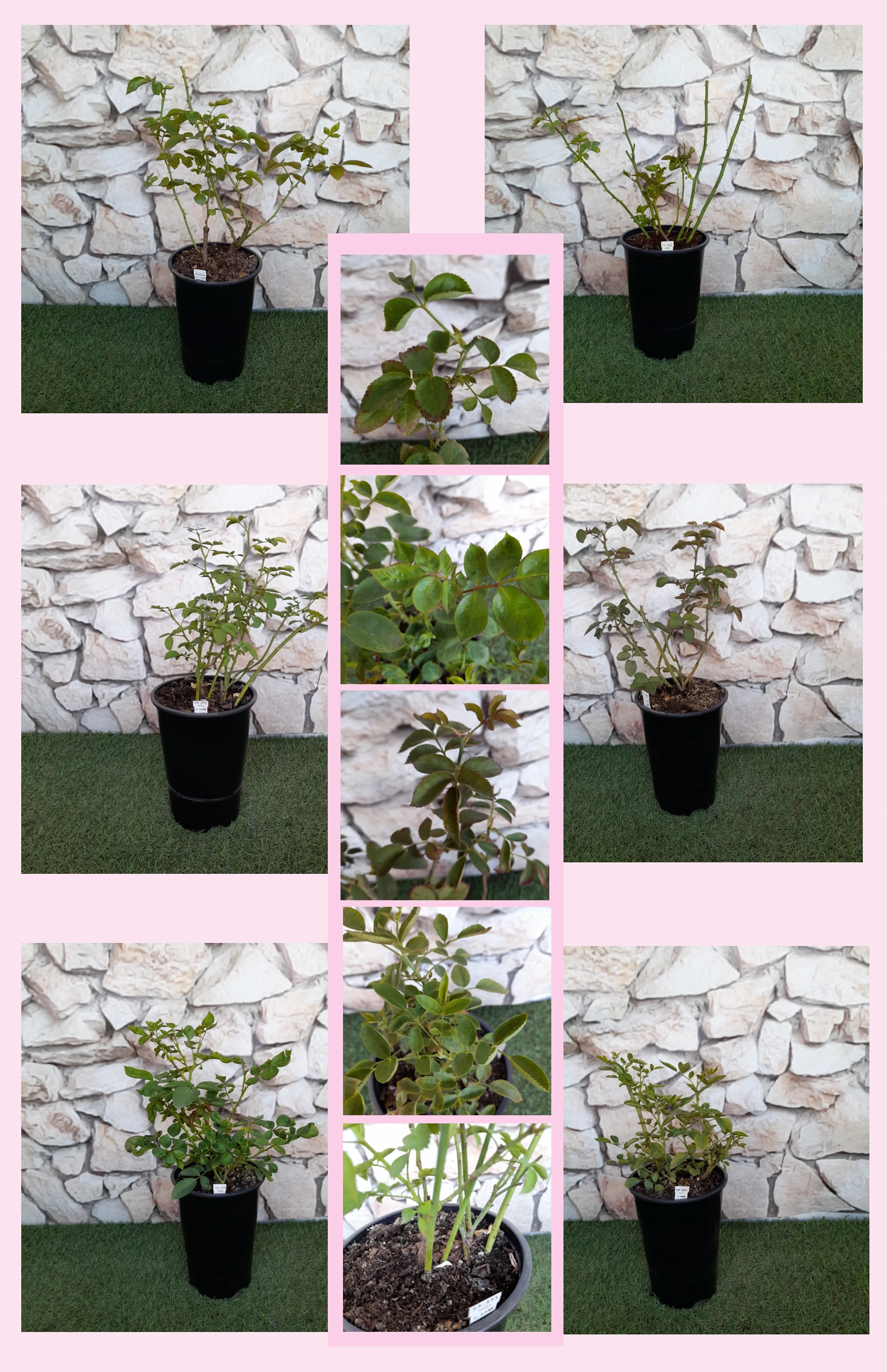
This historic climbing rose brings a romantic cottage-garden atmosphere to pergolas, arches and old walls, with deep carmine-red, very double blooms and a strong, spicy-sweet fragrance. Long, graceful canes make it ideal for training over arbours or into small trees, creating a sheltered corner that feels made for afternoon tea and quiet reading. Its gently matt grey-green foliage, barely armed with thorns, makes everyday handling surprisingly friendly, while the once-a-year summer flowering is so lavish that a single plant can transform the garden scene. Own-root plants promise a long-lived, reliable presence that can regenerate from the base after hard pruning, settling gradually into heavy or chalky soils when given decent drainage and protection from persistent waterlogging. With moderate care and occasional plant protection, this cultivar offers an easy-going, storybook climber for pergolas, fences and house walls in typical British family gardens, including those in breezier sites where it anchors firmly and sways gracefully in the wind. As it develops through its natural arc of strong roots, then shoots, and ultimately full ornamental maturity over three seasons, ‘Himmelsauge’ becomes a characterful, long-term feature of the garden picture.
Usage options
| Target area |
Reasoning |
| Pergola or arbour in a family garden |
Its tall climbing habit and long, flexible canes are perfect for covering a pergola or simple timber arbour, creating a shady, flower-laden roof with strong, distinctive scent for summer gatherings and afternoon tea – ideal for the romantic cottage-garden homeowner. |
| House wall or sunny fence |
Trained on wires or a trellis, it clothes walls and fences with abundant summer bloom in a rich carmine-red to purple palette, while being only moderately thorny, so tying-in and occasional pruning are straightforward for those with limited time – suited to busy but style-conscious gardeners. |
| Rural cottage boundary or hedge-style planting |
Planted at hedge spacing, the tall, arching growth and historical character give a traditional country feel, blending easily with hedging, kitchen gardens and informal borders, especially where a single, spectacular summer display is preferred over ongoing deadheading – attractive for lovers of period-style gardens. |
| Training into a small tree or large shrub |
Its vigorous, climbing habit and moderate prickliness allow it to be guided into the crown of an old apple or ornamental tree, where the cascade of scented blooms creates a storybook “rose in the tree” effect with relatively little structural pruning – appealing to imaginative, romance-seeking owners. |
| Partially shaded corner with morning or late sun |
Suitable for partial shade, it copes where full sun is limited, for example on east- or west-facing structures, maintaining colour intensity and flowering on well-placed canes, making difficult side gardens and shared boundaries feel intentionally designed – helpful for space-conscious urban families. |
| Historic or period-style planting scheme |
As an 1893 Geschwind hybrid Setigera, it brings authentic historic character to period homes and traditional schemes, combining old-rose charm with a robust, cold-hardy constitution and own-root longevity that suits long-term garden plans – appreciated by heritage-minded rose collectors. |
| Low-maintenance, long-lived statement climber |
Flowering once, it needs only basic seasonal pruning and occasional plant protection, yet rewards with years of dependable summer display; the own-root form supports recovery from hard pruning and stable form over time, ideal for those wanting drama with limited tasks – reassuring for time-poor beginners. |
| Large feature container near seating (minimum 50 litres) |
When planted in a spacious, well-drained 50–60 litre container with a sturdy obelisk or trellis, it combines strong fragrance and rich colour right beside a bench or patio table, provided watering is managed during dry spells and exposure to brisk coastal winds is considered – suitable for design-focused patio owners. |
Styling ideas
- Arbour-retreat – Train over a simple wooden arbour, underplant with Nepeta and meadow sage to soften the base and attract contrast, creating a scented, semi-enclosed nook – for cottage-garden romantics.
- Kitchen-border – Grow along a fence edging a kitchen garden, weaving canes between fruit trees, and pair with Geranium pratense for an old-world, practical-meets-pretty boundary – for rural family gardeners.
- Storybook-wall – Cover a south- or west-facing brick wall, then fill the foreground with soft perennials in dusky pinks and blues to echo the carmine and purple tones – for lovers of classic period facades.
- Tree-draped – Guide canes into the crown of an established small tree, letting the rose spill through the branches, with a simple mown lawn beneath to keep maintenance low – for creative owners wanting a focal point.
- Courtyard-focus – Plant in a large 50–70 litre container with an obelisk, flanked by terracotta pots of herbs, bringing fragrance and height to a paved seating area – for patio and balcony gardeners short on borders.
Technical cultivar profile
| Parameter |
Data |
| Name and registration |
Himmelsauge is an historic, old garden climbing rose by Geschwind, classed as an old rose Hybrid Setigera; introduced 1893, unregistered, with the German name meaning “heavenly eye”. |
| Origin and breeding |
Bred by Rudolf Geschwind in Austria from Rosa setigera and Rosa rugosa plena; introduced in Germany by Johann Christoph Schmidt and Blumenschmidt, reflecting late 19th-century Central European breeding. |
| Growth and structural characteristics |
Strong climbing habit to 4–6 m high and 2,5–4,5 m spread, with moderately dense, matt grey-green foliage and relatively few thorns, making tying-in and structural training easier than many ramblers. |
| Flower morphology |
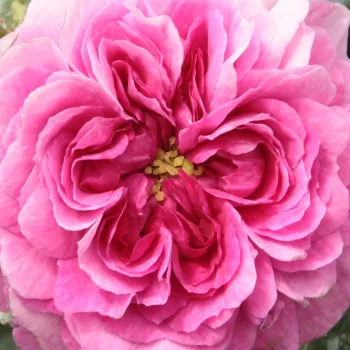
Medium-sized, very full, fully double, cup-shaped blooms with 40+ petals, borne in clusters; non-remontant, offering a single, concentrated main flowering in early summer rather than repeat flushes later. |
| Colour data and phenology |
Rich carmine-red flowers, dark buds, and a centre with deeper purple tones, later shifting to crimson-violet and finally bluish-purple as they fade, with colour lightening in strong sunlight over the flowering period. |
| Fragrance and aroma |
Distinctive, strong perfume combining spicy and sweet notes, especially noticeable in still, warm conditions and when plants are trained near head height over pergolas, arbours or seating areas in family gardens. |
| Hip characteristics |
Due to its very double flowers, hip set is generally sparse, though occasional small, spherical orange-red hips 6–10 mm across can form, adding a discreet seasonal accent after flowering. |
| Resistance and winter hardiness |
Very hardy to around –29 to –32 °C (RHS H7, USDA 4b, Swedish zone 5) with medium disease resistance; tolerates moderate drought but appreciates watering in long dry spells and basic protective care. |
| Horticultural recommendations |
Best on pergolas, fences, walls or trained into trees, at 2,1–3,85 m spacing; own-root plants suit long-term positions, in reasonably drained soil with seasonal pruning and occasional plant protection. |
Himmelsauge combines historic charm, a single yet sumptuous summer display and strong fragrance with the dependable, regenerative performance of an own-root climber; consider it for a long-lived feature in your cottage-style garden.