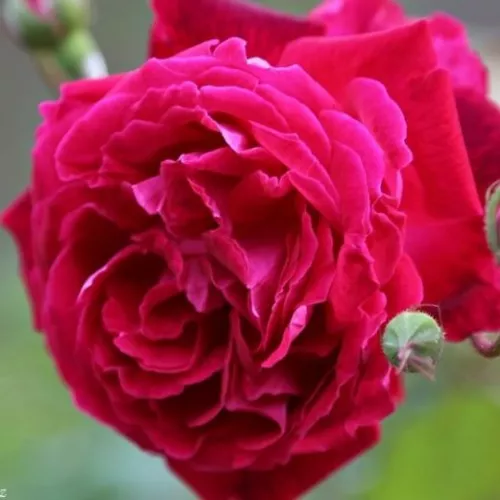
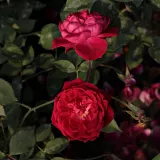
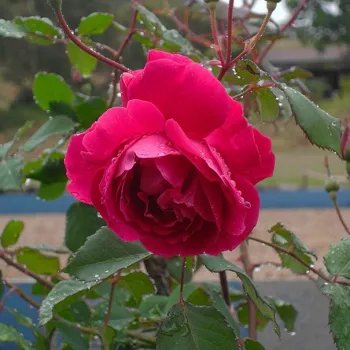
GRUSS AN TEPLITZ – deep crimson historic China rose – Geschwind
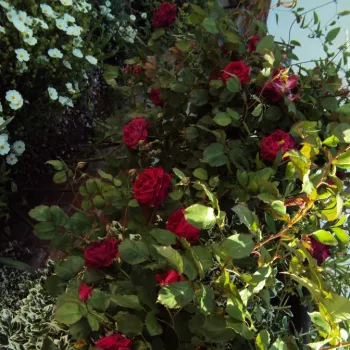
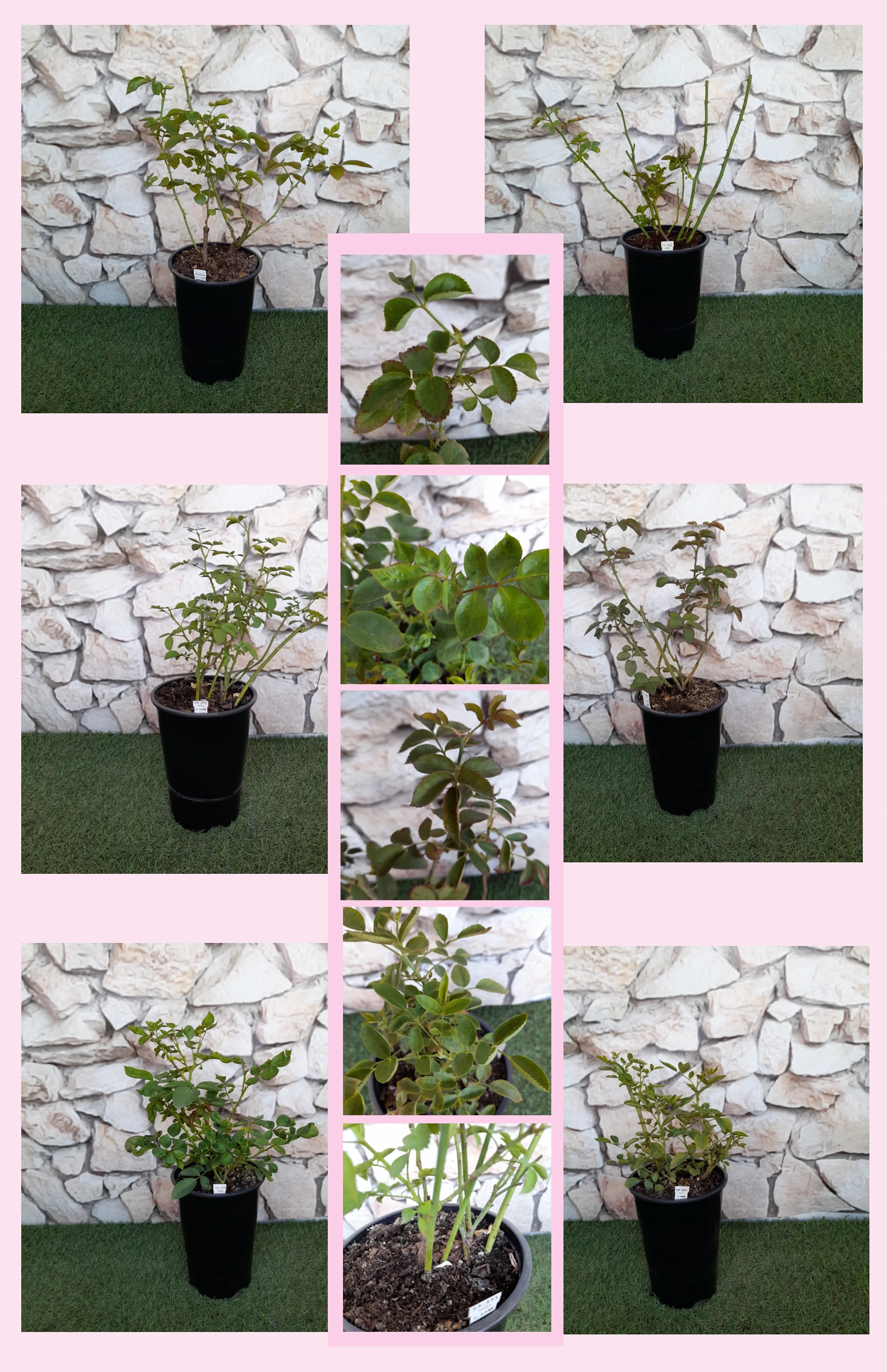
Imagine afternoon tea beneath an arbour, surrounded by the crimson glow of ‘Gruss an Teplitz’, a historic China rose that combines period charm with modern reliability for today’s family garden. This medium-sized, bushy shrub flowers with abundance from early summer to frost, its strongly scented, double blooms creating a romantic, storybook backdrop with minimal fuss. Own-root plants give reassuring longevity and the ability to regenerate if cut back hard, so the rose settles in and improves year after year with only occasional care. In the first seasons, it concentrates on roots, then builds leafy structure, before reaching full ornamental value and generous flowering by the third year. Well-suited to typical British conditions, it copes reliably with damp, breezy spells near the coast when planted in well-prepared soil. Its upright, moderately thorny canes are easy to shape into loose hedges, cottage borders or a feature by the kitchen garden gate, while repeat-flowering clusters ensure lasting cottage-garden romance. Plant in sun with reasonable drainage, mulch annually, and enjoy a deeply coloured focal point that needs only light, flexible pruning and simple seasonal maintenance, making it a practical choice for busy households.
Usage options
| Target area | Reasoning |
|---|
| Cottage-style mixed border |
The bushy, upright habit and continuous flowering give a strong vertical accent in traditional cottage borders, with medium height that sits comfortably behind perennials and herbs for an old-fashioned, storybook look, suiting the romantic gardener at. |
| Sunny family seating area |
Strong, long-lasting fragrance and repeat crimson blooms make this rose ideal beside a terrace, bench or lawn seating, where you can enjoy scented summer evenings with very little intervention beyond watering in dry spells, perfect for time-poor families seeking. |
| Low, informal boundary hedge |
The moderately thorny, upright canes form a loose, flowering screen at about head height, giving privacy, structure and colour along a drive or garden boundary while remaining easy to trim and rejuvenate thanks to the resilient own-root growth, ideal for traditional homes preferring. |
| Feature by kitchen garden or path |
Clustered, medium-sized blooms repeat well, so a single shrub by a gate, path or veg-plot corner provides reliable colour all summer with only light dead-heading, anchoring the “girly” kitchen-garden look without creating extra complexity for hobby gardeners wanting. |
| Large container on patio (40–60 L) |
In a 40–60 litre pot with good compost and drainage, its moderate size, bushy form and repeat flowering give long-season impact near doors or on small terraces, while own-root resilience ensures it copes better with routine repotting and pruning, appealing to busy urban gardeners needing. |
| Small family lawn focal point |
Planted as a specimen in the lawn, its upright, slightly arching framework and continuous flowering create a clear focal point that stays attractive for many years; the own-root base helps it recover from occasional hard pruning or children’s play, reassuring practical homeowners balancing. |
| Traditional rose bed or historic collection |
This celebrated 1897 cultivar, honoured in the Old Rose Hall of Fame, offers classic crimson colouring and heritage character with sound heat tolerance and moderate disease resistance, rewarding modest care with long-term reliability for enthusiasts of vintage roses collecting. |
| Exposed, damp-prone garden corner |
Good heat tolerance and resistance to powdery mildew and black spot make it a sensible choice for many UK gardens where summers bring humidity, breezes and showers, as it holds its health and repeat bloom with only occasional protection, suiting those in variable climates living. |
Styling ideas
- Cottage-Classic – Pair with catmint and soft pink perennials for a loose, billowing border that highlights the crimson blooms and fragrance – for lovers of romantic cottage style.
- Kitchen-Garden – Place near raised beds with herbs and beans, letting its upright structure frame arches and obelisks – for home growers who want flowers with their veg.
- Heritage-Hedge – Plant a staggered row along a path, underplanted with low lavender to create a gently scented, semi-formal screen – for families seeking traditional structure without fuss.
- Patio-Focal – Grow one plant in a large 50–60 litre clay pot, combined with trailing thyme and violas, to bring colour and scent right up to the back door – for busy urban gardeners with limited space.
- Evening-Nook – Flank a small seating nook with two shrubs, weaving in white campanulas and blue brunnera to set off the deep red flowers – for those who cherish quiet twilight tea corners.
Technical cultivar profile
| Parameter | Data |
|---|
| Name and registration |
Gruss an Teplitz; historic China rose from the Geschwind collection, unregistered but long-established in cultivation, widely traded under the same traditional name worldwide. |
| Origin and breeding |
Bred by Rudolf Geschwind in Hungary, 1897, with complex hybrid China and Hybrid Tea ancestry; introduced by Peter Lambert in Germany and now regarded as a classic historic garden rose. |
| Awards and recognition |
Inducted into the World Federation of Rose Societies Old Rose Hall of Fame in 2000; holds an ARS garden rating of 8.0, reflecting strong international esteem and proven garden merit. |
| Growth and structural characteristics |
Medium shrub, typically 120–170 cm tall and 75–110 cm wide; bushy, upright habit with moderately dense, slightly glossy mid-green foliage and moderate prickliness on the canes. |
| Flower morphology |
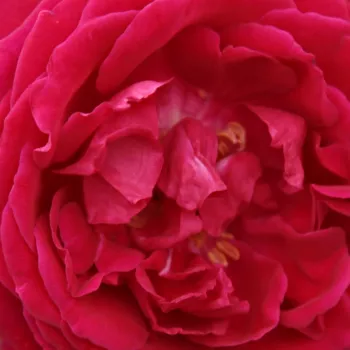
Medium, double, cupped blooms with 26–39 petals, carried in clusters of three to seven per stem; repeat-flowering throughout the season with a notably abundant second flush of colour. |
| Colour data and phenology |
Crimson-red blooms (RHS 53A outer, 46A inner) with velvety, dark burgundy tones; colour softens slightly in strong heat yet stays deeper in cooler weather, giving a rich, romantic effect. |
| Fragrance and aroma |
Strong, rich, spicy perfume that lingers well in the air and on cut stems; ideal where scented impact near seating areas, entrances or paths is a priority in a family garden setting. |
| Hip characteristics |
Forms only a few bright red, spherical hips about 8–12 mm across; these small fruits add a discreet seasonal accent but are not a dominant ornamental feature of the plant. |
| Resistance and winter hardiness |
Rated to approximately −21 to −18 °C (USDA 6b, RHS H7); good heat tolerance, moderate drought tolerance with watering in dry spells, and strong resistance to powdery mildew and black spot. |
| Horticultural recommendations |
Prefers full sun, fertile, well-drained soil and regular mulching; plant 60 cm apart in beds or 55 cm for hedging; maintenance needs are moderate, focusing on dead-heading and occasional light pruning. |
Gruss an Teplitz offers continuous crimson flowering, rich fragrance and dependable, medium-sized structure in an own-root form that rewards gentle care with long life and easy rejuvenation, making it a thoughtful choice for a romantic family garden.