GREENSLEEVES – pink-green bedding floribunda rose - Harkness
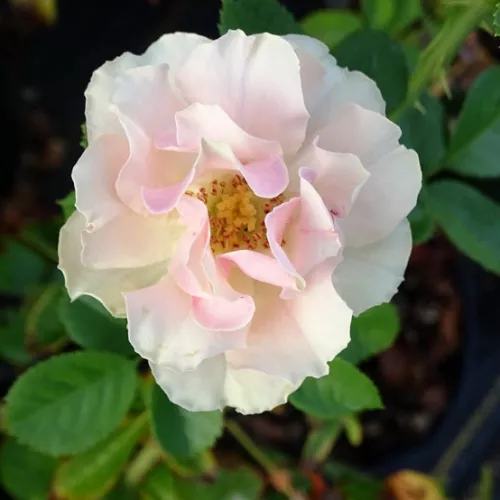
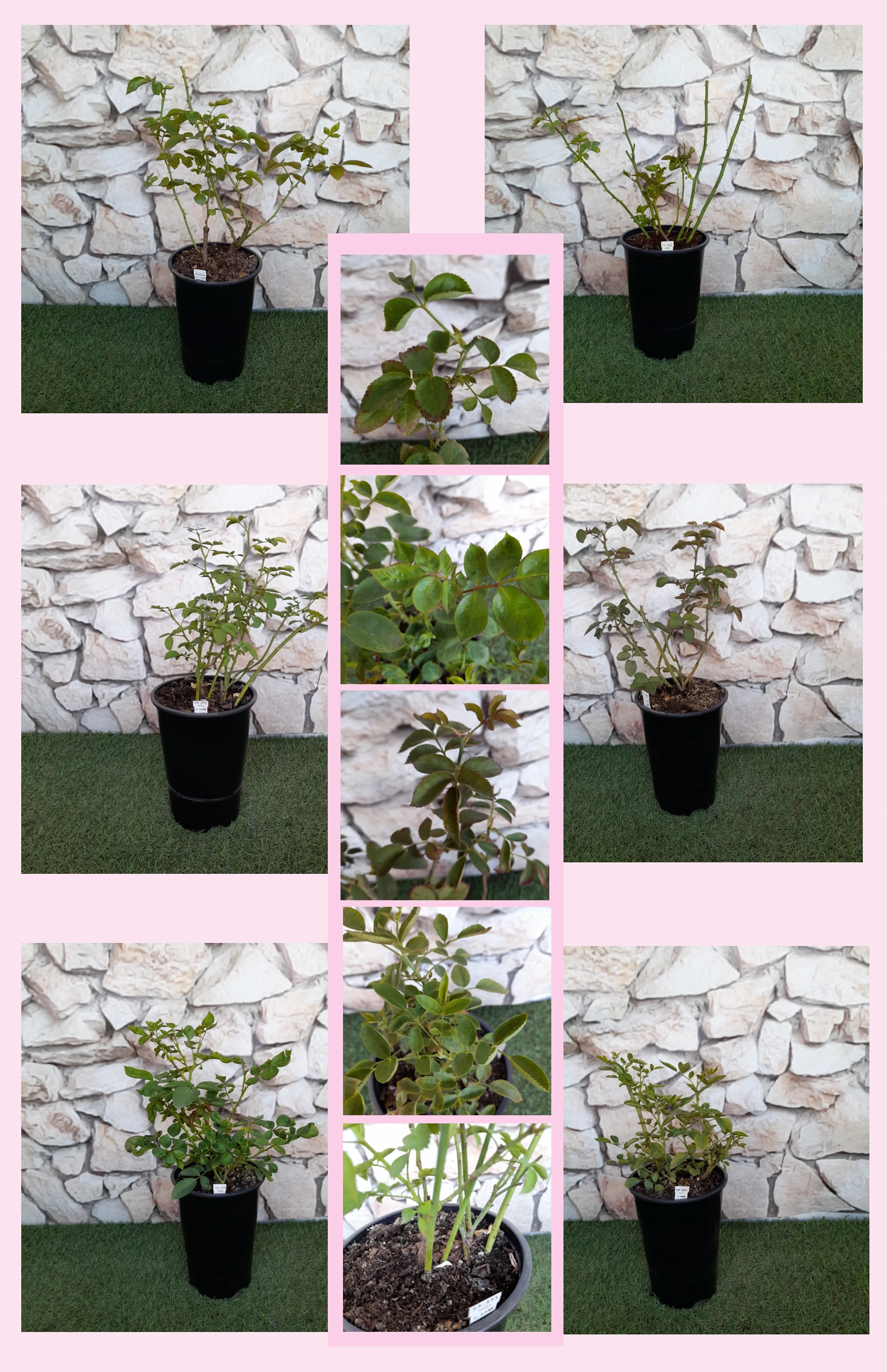
In a small family garden, Greensleeves brings a uniquely soft pink‑to‑green colour shift that feels both storybook and quietly contemporary, especially when viewed from a sunny terrace during late afternoon tea. Its upright, moderately dense habit makes it easy to weave into cottage-style borders or along a low path, while own-root planting promises long-term stability, steady regrowth after pruning and a reassuringly long lifespan. This rose offers dependable repeat flowering in clusters, drawing in bees with its open, single blooms, yet remaining straightforward to manage thanks to its low-maintenance, disease-resistant nature that copes well in breezy UK sites where strong winds and wet spells can quickly test less robust roses. Over a few seasons you will see the classic development from establishing roots, to stronger shoots, and then to full ornamental impact, with its pastel palette settling beautifully into a relaxed, English countryside feel beside herbs, vegetables and traditional hedging.
Usage options
| Target area |
Reasoning |
| Front-of-border cottage bed |
The upright, medium-height habit and moderately dense foliage form a clear yet gentle line at the front of a mixed border, giving structure without feeling formal. Cluster-flowering stems provide repeated pastel displays through summer, easy to pair with low perennials. Ideal for those wanting soft structure with minimal fuss for a family-garden. |
| Romantic flowerbed blocks |
Planted in small groups at the recommended spacing, the uniform height and bed-rose character create a pastel-coloured drift that reads as one gentle mass. This makes planning simple: repeat the same block along a path or lawn edge for consistent summer colour and an easy cottage look for a beginner-gardener. |
| Low informal hedge |
The regular spread and good branching allow Greensleeves to link plants into a loose, low hedge that can edge vegetable plots or separate play lawn from kitchen garden beds. Light shaping once a year is usually enough to keep it tidy, suiting those who prefer relaxed boundaries for a traditional-style. |
| Pollinator-friendly family area |
Single, flat flowers with exposed stamens make nectar easy to access, attracting bees and other beneficial insects around patios and seating spaces. Continuous clusters offer forage over a long season, yet the plant remains compact and manageable for shared spaces in a child-friendly. |
| Own-root long-term planting |
As an own-root rose, Greensleeves regrows reliably from its own wood after pruning or winter damage, without suckers from a rootstock. This supports a long lifespan with stable colour and shape, suiting gardeners who want to plant once and enjoy for many seasons in a low-maintenance. |
| Small specimen by seating area |
Used singly, its unusual pink-to-green colour change becomes a talking point near a bench or arbour. Repeated flushes mean something to look at for much of the summer, even in compact gardens, with only light pruning and some deadheading needed for a busy-homeowner. |
| Containers and large pots |
The upright, medium size works well in substantial containers of at least 40–50 litres, where roots have space to establish and support repeat flowering. This suits paved courtyards or rented homes where permanent beds are limited, while watering and feeding remain simple for an urban-gardener. |
| Exposed or breezy garden spots |
Its sturdy shrub structure and good overall health make it a sensible choice for open sites that catch the wind and frequent rain, where some roses suffer from leaf problems; this helps maintain an attractive, leafy plant with minimal treatments for a time-poor. |
Styling ideas
- COTTAGE-EDGE RIBBON – Line a path with Greensleeves and interplant with low Heuchera for soft contrast between glossy foliage and airy blooms – for lovers of traditional cottage walks and gentle structure.
- PASTEL KITCHEN PLOT – Place small groups at the ends of vegetable beds with herbs like chives and thyme, linking productive rows to a romantic ornamental edge – for home growers who enjoy a pretty yet practical kitchen garden.
- TEA-CORNER CLUSTER – Group three plants near a seating area, underplanted with dwarf coral bells and spring bulbs to frame an afternoon tea spot – for those who want a cosy, storybook nook without complex design work.
- SOFT FRONT-GARDEN FOCUS – Use a single shrub in a gravel or lawn circle, with Lychnis alpina as a vivid accent, to create a simple but distinctive welcome – for homeowners seeking easy curb appeal on busy streets.
- PATIO POT ENSEMBLE – Grow Greensleeves in a large terracotta container, surrounded by low grasses or thyme in nearby pots for texture and long-season interest – for balcony and terrace gardeners wanting manageable, moveable romance.
Technical cultivar profile
| Parameter |
Data |
| Name and registration |
Floribunda, shrub rose registered as HARlenten; marketed as Greensleeves Bedding rose HARlenten, an exhibition floribunda spray type in the bedding rose commercial group. |
| Origin and breeding |
Bred by Jack L. Harkness, R Harkness & Co Ltd, Hitchin, UK, from complex floribunda parentage; introduced and registered in the United Kingdom in 1980. |
| Growth and structural characteristics |
Upright shrub habit, around 75–105 cm high and 85–115 cm wide, moderately thorny, with moderately dense, glossy dark green foliage providing a tidy, well-filled framework. |
| Flower morphology |
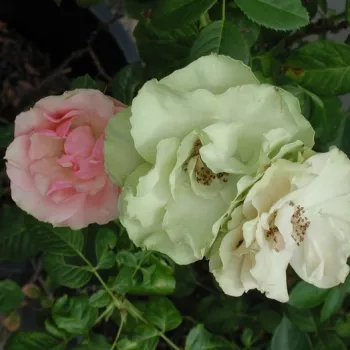
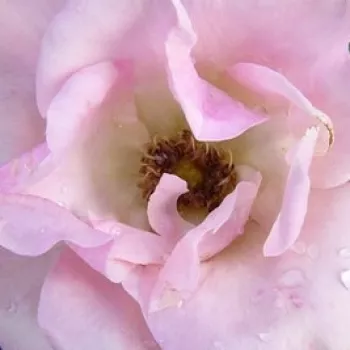
Medium-sized, single, flat blooms with 5–12 petals, produced in clusters; remontant, giving abundant second flushes; some spent blooms persist and benefit from light deadheading. |
| Colour data and phenology |
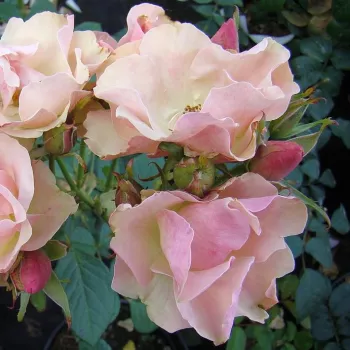
Petals shift from porcelain pink buds to creamy greenish-white, then settle into pastel green with silky cream shading; colour retention very good, though strong sun hastens fading. |
| Fragrance and aroma |
No noticeable scent; chosen primarily for unusual colour play and reliable floribunda performance rather than perfume, suiting designs where visual effect and health take priority. |
| Hip characteristics |
Produces relatively few hips; where formed, they are small, spherical red fruits about 10–14 mm across, adding a light decorative touch without significant self-seeding issues. |
| Resistance and winter hardiness |
Good overall disease resistance, with strong tolerance to powdery mildew and black spot, moderate rust susceptibility; hardy to approximately −21 to −18 °C (RHS H7, USDA 6b, Swedish Zone 3). |
| Horticultural recommendations |
Best in full sun with reasonably drained soil; water regularly in extended dry spells; plant 60–100 cm apart depending on use; low maintenance needs suit informal beds, hedging and cutting. |
GREENSLEEVES – pink-green bedding floribunda rose - Harkness offers unusual pastel colour, compact structural form and reliable repeat flowering, with the own-root format supporting long, steady garden performance; a thoughtful choice for relaxed, romantic planting.