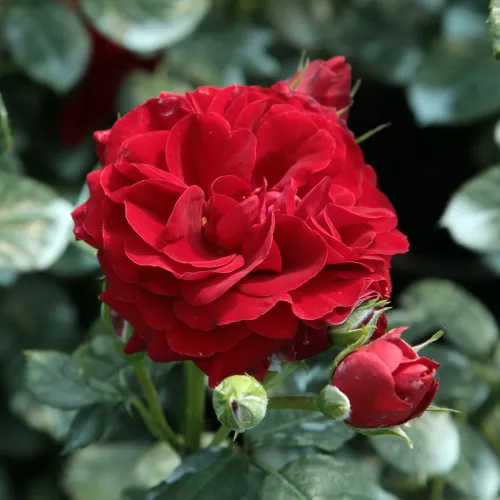
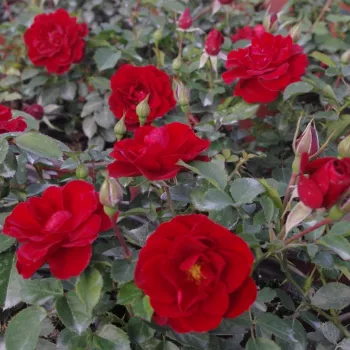
GRAND PALACE® – burgundy bedding floribunda rose
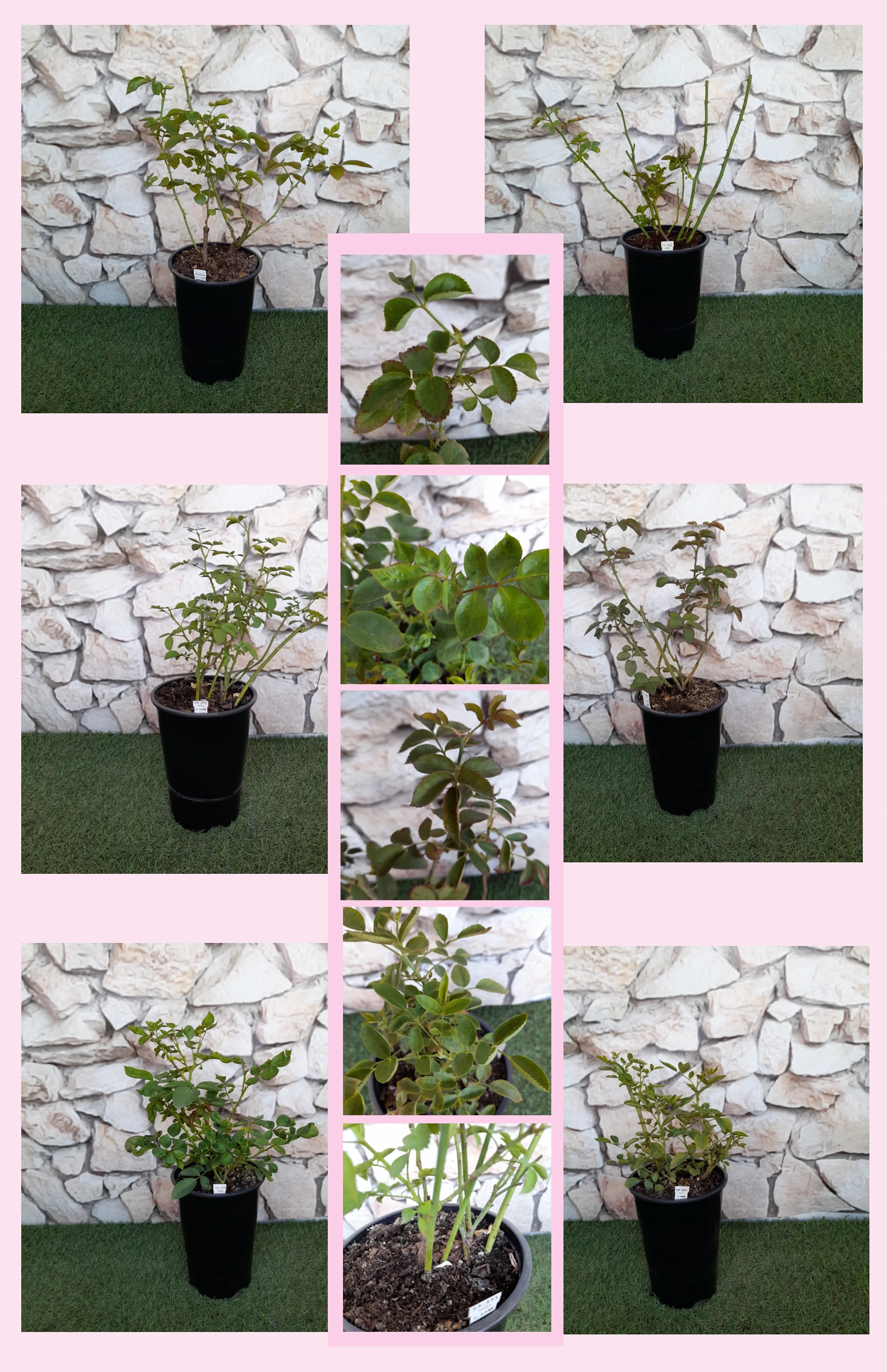
Imagine afternoon tea beneath a rose-covered arbour: Grand yet inviting, this compact floribunda builds a sense of cosiness with clusters of deep burgundy blooms against dark green foliage. Its bushy, low, naturally tidy shape makes garden maintenance straightforward, whether you grow it in beds, low hedges or a generous 40–50 litre container. As an own-root plant it matures steadily, offering reassuring stability, graceful regeneration after pruning and a notably long lifespan without complicated care. The velvety, colourfast flowers repeat well through summer, giving consistent impact even in changeable weather and in gardens where strong winds and rain can quickly spoil less robust roses. Over time the planting settles into a storybook, cottage-style border that suits both busy and beginner gardeners.
Usage options
| Target area | Reasoning |
|---|
| Front-of-border floribunda bed |
The naturally compact, bushy habit creates a low, continuous band of burgundy colour that reads clearly from the terrace or lawn, without towering over smaller perennials. Its reliable repeat flowering keeps the front of the border lively from early summer onwards, even when nearby plants pause between flushes – ideal for those wanting easy structure and seasonal rhythm, especially beginners. |
| Romantic low hedge along paths |
Planted at closer spacing, Grand Palace® forms a neat, low hedge that visually guides you along paths or frames a small lawn. The uniform height and medium vigour make trimming straightforward, and the dark foliage with mahogany-red blooms gives a quietly formal, “mini-parterre” feel in a family garden – attractive for those who like order without high upkeep, particularly homeowners. |
| Feature rose in a large container |
Its compact root system and moderate growth lend themselves well to a single, statement rose in a 40–50 litre pot near the front door or patio seating. In containers it keeps its form without constant pruning, while repeat clusters of dark flowers add a smart, welcoming focus – well suited to city terraces and small spaces for busy urbanites. |
| Cottage-style mixed border with perennials |
The velvety burgundy blooms combine beautifully with soft cottage plants such as lady’s mantle and pastel salvias, weaving a storybook effect without demanding frequent spraying. Average disease resistance and robust colour that fades gracefully mean the border still looks composed between deadheading rounds – appealing to romantic gardeners who prefer relaxed, informal plantings, especially cottage-lovers. |
| Long-lived structure in a family garden |
As an own-root bush, Grand Palace® does not rely on a graft union that may fail; instead it thickens gradually from the base and can be renovated simply by cutting back harder when needed. This long-term resilience means you can plan paths, seating and children’s play areas around a rose that will anchor the garden picture for many seasons – reassuring for practical, future-minded families. |
| Easy-care rose for part-shade spots |
Its suitability for partial shade allows planting where sun is filtered by fences or neighbouring houses, letting you bring depth of colour to corners that might defeat fussier varieties. The dark foliage and rich bloom colour read well even in softer light, so those less-than-perfect positions can still feel intentional and welcoming for time-pressed, real-world gardeners. |
| Reliable repeat-flowering accent by seating areas |
Clustered, medium-sized flowers that remont well give a steady procession of blooms close to where you sit, with a restrained rose scent that adds atmosphere without overpowering. The repeat performance builds up as the plant settles – roots in the first year, stronger shoots in the second, and a full ornamental presence by the third – rewarding patient yet busy owners. |
| Stable choice for exposed or changeable sites |
In many British gardens, wind and frequent rain can quickly spoil large, delicate flowers; Grand Palace® answers with firm, double blooms that keep their shape and colour well as they age. Its compact frame anchors easily in typical soils, including heavier clays given sensible drainage, so planting feels like a dependable investment for cautious, comfort-seeking buyers. |
Styling ideas
- COTTAGE BORDER RIBBON – run a curving line of Grand Palace® along a mixed cottage bed, threading between lady’s mantle and soft pink campanulas for a romantic, low-maintenance ribbon of colour – perfect for cottage-style enthusiasts.
- FORMAL ENTRANCE POTS – plant one rose per 50-litre container by the front door, underplanting with white fragrant alyssum to soften the edges and highlight the dark blooms – ideal for urban homeowners seeking smart kerb appeal.
- PATHWAY LOW HEDGE – create a low hedge on both sides of a garden path, interspersing the roses with small box balls for evergreen rhythm and burgundy summer accents – suited to families who enjoy traditional structure.
- TEA-CORNER FEATURE – place a trio of shrubs near a small seating area, backed by trellised climbers, to give a cosy tea nook framed by repeat burgundy flushes – appealing to those who like an intimate, storybook atmosphere.
- KITCHEN-GARDEN EDGING – edge a productive vegetable or herb patch with a line of Grand Palace®, their compact form and long-lived framework separating crops from lawn while adding colour – ideal for practical gardeners with a rustic potager.
Technical cultivar profile
| Parameter | Data |
|---|
| Name and registration |
Floribunda bed rose marketed as Grand Palace® within the Palace® collection; registered as POUlgrad, also traded as Palace® POUlgrad, exhibition name Grand Palace under American Rose Society usage. |
| Origin and breeding |
Danish floribunda bred by L. Pernille and Mogens Nyegaard Olesen for Poulsen Roser A/S; seedling of unknown parent crossed with ‘POULmax’; introduced and registered in 1997 for garden and bedding use. |
| Growth and structural characteristics |
Compact, bushy plant reaching about 40–60 cm high with 35–55 cm spread; moderately dense dark green foliage and moderate prickles, naturally rounded habit suited to borders, low hedges and container culture. |
| Flower morphology |
Double, cup-shaped blooms with approximately 26–39 petals, produced mainly in clusters of medium-sized flowers; remontant habit gives a strong repeat-flowering second flush in suitable conditions across the season. |
| Colour data and phenology |
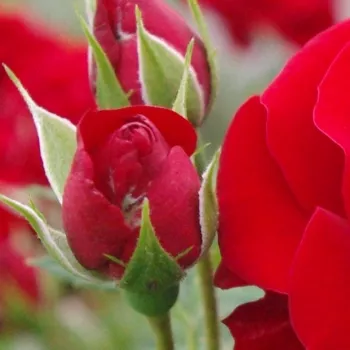
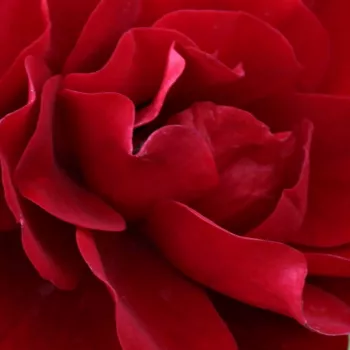
Velvety, uniform dark burgundy flowers (RHS 46A outer, 53A inner) opening from dark ruby buds; colour slowly fades through mahogany to deep red yet retains a dark overall tone with good colour-holding in garden use. |
| Fragrance and aroma |
Soft, classically rosy perfume of mild intensity; fragrance is present at close range but restrained enough for seating areas and mixed plantings where a subtle aromatic background is preferred over dominant scent. |
| Hip characteristics |
Due to double blooms, hips set sparsely; when present they are small, globose fruits around 5–8 mm across, ripening to orange-red and adding modest late-season interest without overwhelming the plant’s overall effect. |
| Resistance and winter hardiness |
Hardy to approximately –21 to –18 °C (RHS H7; Swedish Zone 3; USDA 6b); disease profile shows good resistance to black spot with moderate susceptibility to mildew and rust, warranting basic monitoring in humid seasons. |
| Horticultural recommendations |
Suited to borders, low hedges, ground-cover-style beds, containers and cutting; plant around 35–70 cm apart depending on use; prefers well-drained soil, regular watering and light seasonal pruning to renew flowering wood. |
Grand Palace® offers compact structure, repeat burgundy flowering and long-lived own-root resilience, making it a thoughtful choice for those wanting lasting romance with minimal complication in a family garden.