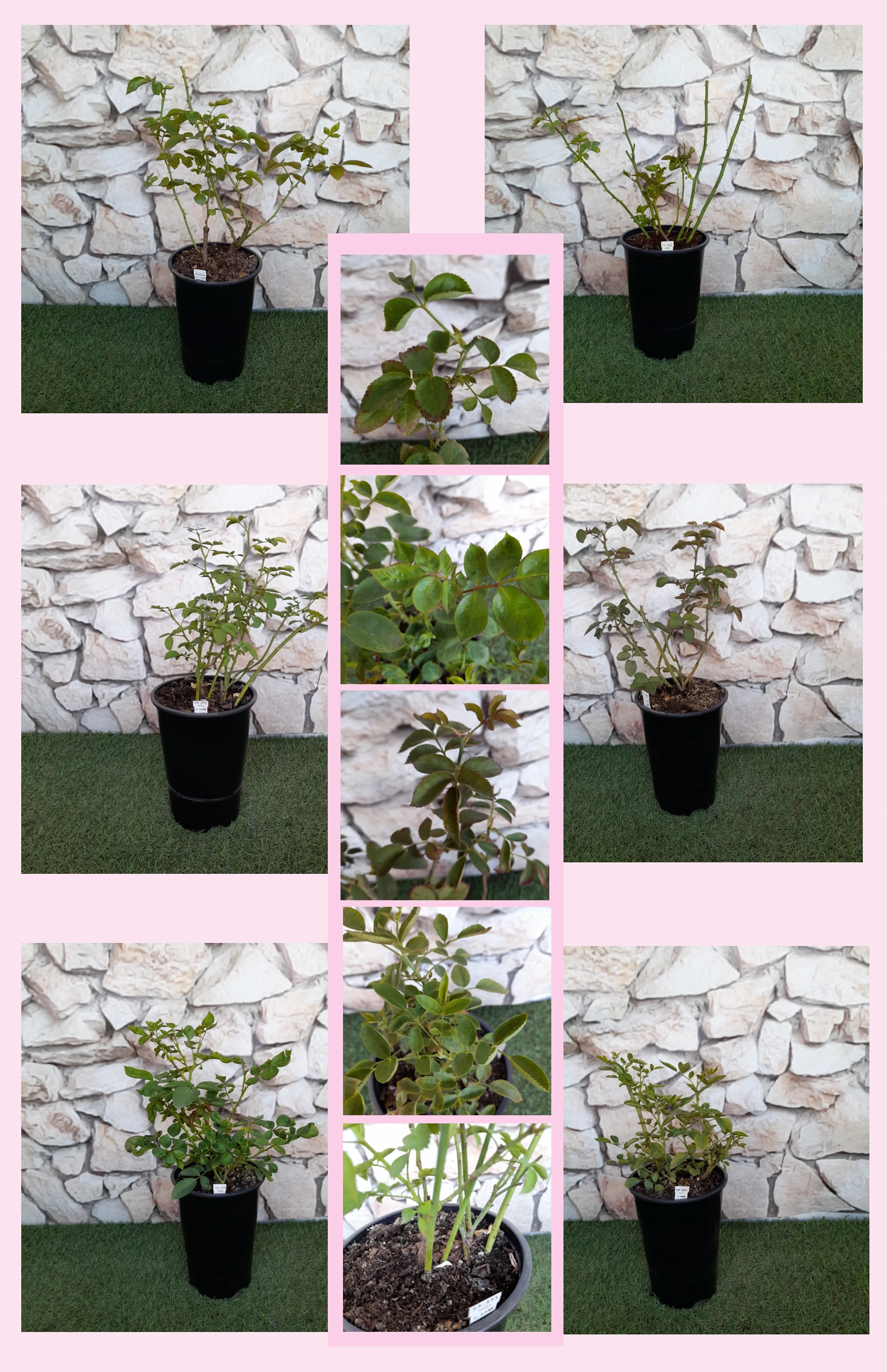
ROSA CANNABIFOLIA – pink landscape shrub rose – Flobert
Romantic and quietly distinctive, Rosa cannabifolia brings a soft, white‑blushed haze of bloom to family gardens, echoing cottage borders and informal hedges with effortless grace. This traditional shrub rose forms a bushy, upright outline with bluish‑grey foliage and narrow, hemp‑like leaves that give it a subtly botanical character, perfect for relaxed, “girly” English countryside schemes. Its once‑a‑year summer flowering is abundant, releasing a medium, sweet perfume that feels made for lingering over afternoon tea beneath an arbour. Bred in France in 1807, it is naturally long‑lived and, on its own roots, it can quietly regenerate from the base and keep its ornamental value for decades with very little effort. Extremely hardy and generally healthy, it copes well where strong winds and wet weather roll in from the coast, provided the soil has reasonable drainage. You can plant this container‑grown, own‑root rose at almost any time the soil is workable, knowing that in the first year it concentrates on roots, in the second on shoots, and from the third year onwards you enjoy its full cottage‑garden presence. Low pruning demands, the option to grow it in a large 40–50 litre planter, and its reliable, once‑a‑season display make it a reassuringly low‑maintenance choice for busy households who still want a soft, storybook garden ambience.
Usage options
| Target area | Reasoning |
|---|
| Cottage-style mixed border in a small to medium family garden |
This rose’s bushy, upright habit and moderate spread fit neatly into typical UK cottage borders without overwhelming nearby perennials or herbs. Its once‑a‑season white to pale pink flowering creates a soft, nostalgic focus that pairs beautifully with traditional hedging, lavender and kitchen‑garden planting, while its modest thorniness keeps family areas approachable for beginners. |
| Low-maintenance flowering hedge along a boundary or path |
Planted at hedge spacing, it knits into a natural, informal line that flowers together in a romantic early-summer wave. Very hardy and generally healthy, it needs only light annual trimming rather than precise pruning, making it an easy way to secure privacy and a storybook feel for busy-owners. |
| Informal botanical or wild-style corner of a family garden |
The narrow, hemp-like foliage and soft, muted bloom colour lend a subtly wild, botanical air that blends well with ornamental grasses and looser planting. Because it is long-lived on its own roots, it slowly builds character over the years, suiting those who want a natural look with minimal intervention for romantics. |
| Exposed suburban plots and breezier coastal locations |
Its strong winter hardiness and good general disease resistance mean it remains reliable where gardens face cool winds and humid, changeable weather. Once established, the shrub holds its shape and foliage well, provided the planting site offers reasonable drainage, giving dependable structure for practical-gardeners. |
| Large containers or planters on patios and terraces |
In a 40–50 litre pot with good compost, its compact spread and upright habit create a tidy, vertical accent that can soften hard landscaping. The once‑flowering flush becomes a seasonal event on the terrace, requiring only basic dead wood removal in late winter, which suits time-pressed urbanites. |
| Long-term structural shrub in low-input family gardens |
As an own-root rose derived from robust Alba stock, it can regenerate from the base if cut back hard or after damage, supporting a long lifespan with little specialist care. Its focus on root establishment, then shoot development, before full ornamental impact rewards patient homeowners. |
| Heat- and cold-tolerant planting in variable UK climates |
With excellent cold tolerance and good heat and drought resilience once established, it copes well with the UK’s increasingly erratic seasons. Its sturdy, moderately dense foliage remains presentable with limited watering, making it a safe, ornamental backbone for value-seekers. |
| Simple-care rose choice for new or reluctant gardeners |
This variety offers a once‑a‑season, medium-scented floral display without demanding complex pruning schedules or frequent spraying. Planting the 2‑litre own‑root container is straightforward, and ongoing tasks are limited to basic shaping and the odd tidy-up, ideal for novices. |
Styling ideas
- COTTAGE HEDGE – Plant in a loose line with lavender, catmint and old-fashioned phlox to frame a lawn with scented early-summer bloom – for traditional-family buyers.
- BOTANICAL BORDER – Combine with Physostegia virginiana, ornamental grasses and seedheads to emphasise its hemp-like foliage in a naturalistic, low-input strip – for design-conscious homeowners.
- TEA-TIME NOOK – Position near a bench or small arbour, underplanted with violas and herbs, so its single summer flowering becomes a highlight for relaxed afternoon breaks – for romantic couples.
- PATIO ANCHOR – Grow in a 40–50 litre clay pot with trailing thyme and soft pink pelargoniums to bring a gentle, structured accent to paved spaces – for balcony and terrace users.
- HERITAGE CORNER – Pair with other historic-style shrubs and a simple clipped yew or box backdrop to celebrate its 19th-century origins in a quiet, contemplative garden area – for history-loving gardeners.
Technical cultivar profile
| Parameter | Data |
|---|
| Name and registration |
Rosa cannabifolia, also marketed as Rosa cannabifolia Botanical rose Flobert; botanical shrub rose type, unregistered variety, verified cultivar authenticity for garden use. |
| Origin and breeding |
Historic French shrub rose, a sport of ‘Alba Semi-plena’, bred by Flobert around 1807; exact introduction and registration dates are unknown, reflecting its long-established status. |
| Growth and structural characteristics |
Bushy, upright shrub with moderate density; typical spread 70–90 cm, height comparable or slightly greater; matte bluish- to grey-green foliage and only slight prickliness on the shoots. |
| Flower morphology |
Medium-sized, approximately 4 cm flowers, semi-double to double in form; carried singly or in small clusters, once-flowering in early summer with no remontant flush later in the season. |
| Colour data and phenology |
Warm creamy-white buds open to white flowers with pale pink tinge; ARS mp, RHS 65C outer and 65D inner; colour lightens to a cooler white as blooms age across the flowering period. |
| Fragrance and aroma |
Notable medium-strength, sweet classic rose fragrance; scent noticeable on still days and particularly effective when several shrubs are planted together in hedges or informal groupings. |
| Hip characteristics |
Develops small, egg-shaped hips, typically 15–20 mm in diameter; hips add a subtle seasonal interest in late summer and autumn when left on the plant after flowering. |
| Resistance and winter hardiness |
Very winter-hardy (approx. -37 to -34 °C), RHS H7; generally resistant to powdery mildew, black spot and rust; good heat and drought tolerance once established in suitable soil. |
| Horticultural recommendations |
Low-maintenance shrub for hedges, groups and natural-style plantings; tolerates partial shade; plant at 55–135 cm spacing depending on use; prefers well-drained soil and moderate feeding. |
Rosa cannabifolia offers a softly scented, low-maintenance summer display and durable, long-lived structure on its own roots, making it a thoughtful, reassuring choice for relaxed, cottage-style family gardens.