GIPSY – red-yellow flowerbed floribunda rose - Suzuki
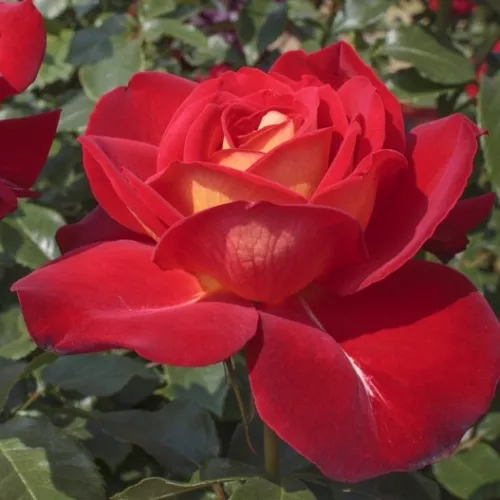
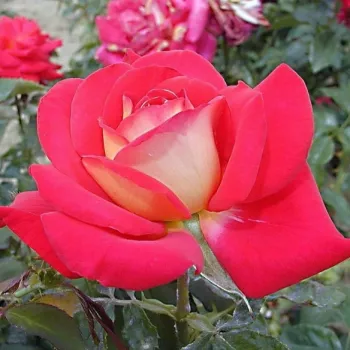
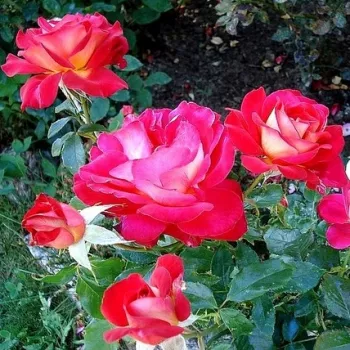
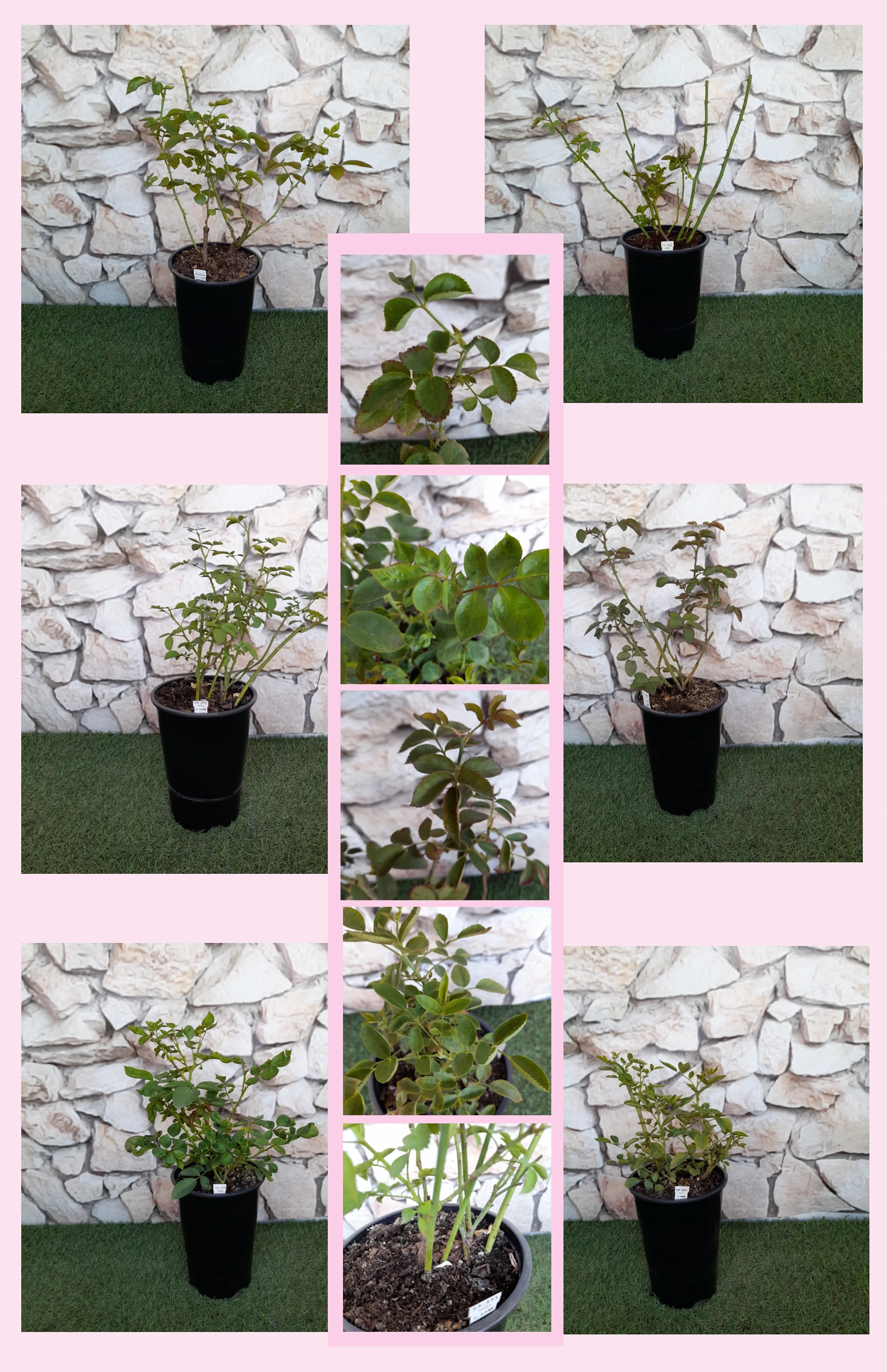
With its distinctive bi‑colour blooms, GIPSY brings a touch of storybook charm to the family garden, flowering generously on a compact, bushy plant that fits easily into smaller borders and mixed beds. The scarlet and golden tones soften attractively as each flower ages, creating gentle romance without demanding constant attention, while the own-root form supports quiet longevity and reliable regrowth if stems are ever damaged or cut back hard. Container-grown in a 2‑litre pot, it can be planted through most of the season into improved clay or chalky soils with sensible drainage, giving steadily easier care and a reassuring sense of stability even in breezier, rain‑exposed gardens near the coast.
Usage options
| Target area |
Reasoning |
| Front‑of‑border bedding in a cottage-style garden |
The neat, compact habit and modest spread make it simple to repeat along a path or front border without overpowering adjoining plants, building a romantic, “girly” cottage effect with minimal pruning decisions for time‑pressed gardeners, especially beginners. |
| Colour‑rich flowerbed focal points |
Its vibrant red and golden bi‑colour flowers draw the eye even in small gardens, then soften to gentler, storybook tones as they age, giving a long succession of changing colour without the need for elaborate border design, appealing to homeowners. |
| Low informal hedge beside a lawn or path |
The consistent height and dense foliage lend themselves to close planting at recommended spacings, forming a low, flower‑laden hedge that frames lawns or paths while remaining easy to manage with straightforward annual trimming, suiting traditional‑style families. |
| Large containers on patios and terraces |
Its compact structure and clustered flowering work well in a substantial 40–50 litre container, where roots have room to establish and provide steady top growth with only routine feeding and watering, ideal for busy urban gardeners. |
| Mixed cottage border among perennials and herbs |
The floribunda-style clusters mix effortlessly with perennials, herbs and kitchen‑garden planting, allowing relaxed combinations without strict symmetry while the plant quietly rebuilds from the base if ever cut back hard, reassuring practical owners. |
| Family play‑garden with robust planting |
Own‑root plants tolerate the occasional snapped stem or accidental knock, re‑shooting from below ground so the planting stays attractive for years with modest care, an advantage in lively gardens used by children and pets, comforting cautious buyers. |
| Coastal or wind‑exposed suburban plots |
The bushy, relatively low framework anchors well and resists rocking in breezier sites, combining with routine mulching and sensible soil improvement to cope with stronger winds and frequent showers common in many UK coastal gardens, reassuring practical gardeners. |
| Small gardens seeking long‑term structure |
The own‑root form, once settled, builds a durable framework that can be refreshed by harder pruning in later years, keeping ornamental value stable over time without complicated techniques, offering lasting enjoyment for long‑term‑planning householders. |
Styling ideas
- Kitchen‑gateway – Line both sides of a path to the vegetable patch with GIPSY and low herbs, giving a cheerful, productive feel – ideal for cottage‑style cooks and kitchen‑garden enthusiasts.
- Tea‑corner – Place one or two plants in large terracotta tubs (40–50 litres) beside a bistro set for afternoon tea outdoors – perfect for balcony or patio users wanting romance in a small footprint.
- Storybook‑border – Combine GIPSY with airy perennials and Crocosmia for flickers of matching red and gold – suited to those dreaming of an English countryside look with minimal planning.
- Soft‑hedge – Plant a short run along a front garden boundary for a welcoming, flowered edge that remains low and neighbour‑friendly – for families seeking gentle separation without solid fencing.
- Ruby‑nook – Pair with dark foliage such as Euphorbia ‘Fens Ruby’ and small evergreen holly for year‑round structure – appealing to homeowners who like defined, easy‑kept planting pockets.
Technical cultivar profile
| Parameter |
Data |
| Name and registration |
Floribunda bedding rose, registered as Kiboh and marketed as Gipsy; exhibition floribunda and cut flower type, verified cultivar authenticity and premium gold quality rating for garden use. |
| Origin and breeding |
Bred by Seizo Suzuki at Keisei Rose Nursery, Japan, from ‘Liberty Bell’ × ‘Kagayaki’; registered 1985, introduced 1986 through Meilland International, now offered as an own‑root consumer garden rose. |
| Awards and recognition |
Highly regarded show floribunda with multiple 1985 medals: Gold at The Hague and Monza, Silver at Courtrai (Kortrijk) and Saverne, reflecting strong ornamental impact in formal trials. |
| Growth and structural characteristics |
Compact, upright bush 70–100 cm high and 35–55 cm wide with dense, glossy dark green foliage and moderate prickles; clusters of 1–5 blooms on each stem suit bedding and low hedging layouts. |
| Flower morphology |
Very full, cupped flowers with over 40 petals and extra‑large heads around 3.5 inches, borne mostly in clusters; remontant habit gives an initial flush followed by a generous second wave of blooms. |
| Colour data and phenology |
Red‑yellow bi‑colour: vivid scarlet‑red outer petals with golden‑yellow centres and reverses; tones soften to carmine and creamy hues as flowers age, giving a gentler overall effect as each flush matures. |
| Fragrance and aroma |
Mild, fresh fragrance with a lively character rather than heavy perfume; scent is noticeable at close range near seating or paths without overwhelming nearby plants or confined terrace areas. |
| Hip characteristics |
Heavily double flowers reduce hip production, though occasional small, spherical hips 6–10 mm may set, colouring orange‑red and adding discrete seasonal interest without significant self‑seeding. |
| Resistance and winter hardiness |
Moderate resistance to black spot, powdery mildew and rust; hardy to about −15 to −12 °C (RHS H6, Swedish zone 2, USDA 7b), benefiting from routine hygiene and balanced feeding in humid districts. |
| Horticultural recommendations |
Best in fertile, well‑drained soil with regular water while establishing; plant at 25–45 cm depending on use, in beds or 40–50 litre containers, with occasional pest and disease checks and simple annual pruning. |
Choose GIPSY for compact bedding colour, romantic bi‑colour blooms and dependable own‑root regrowth that together provide an easy, enduring rose for your garden, should you decide it suits your planting plans.