Ghislaine de Féligonde – yellow historic rambler for romantic arches
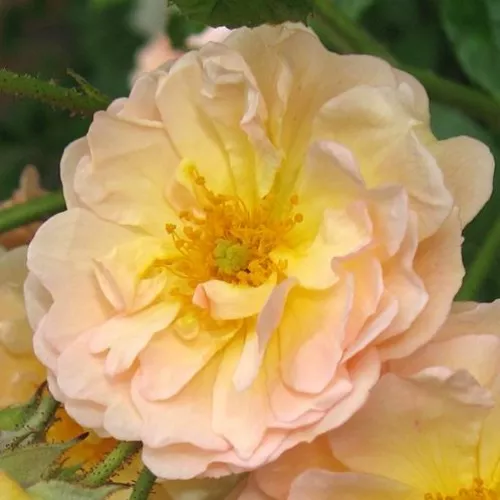
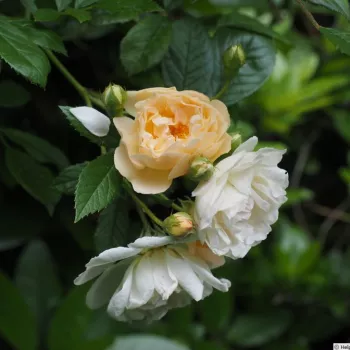
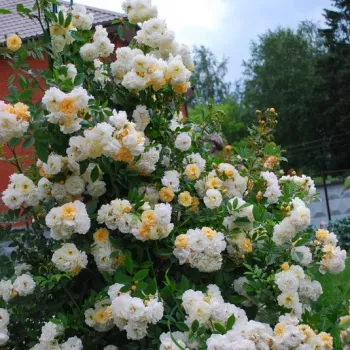
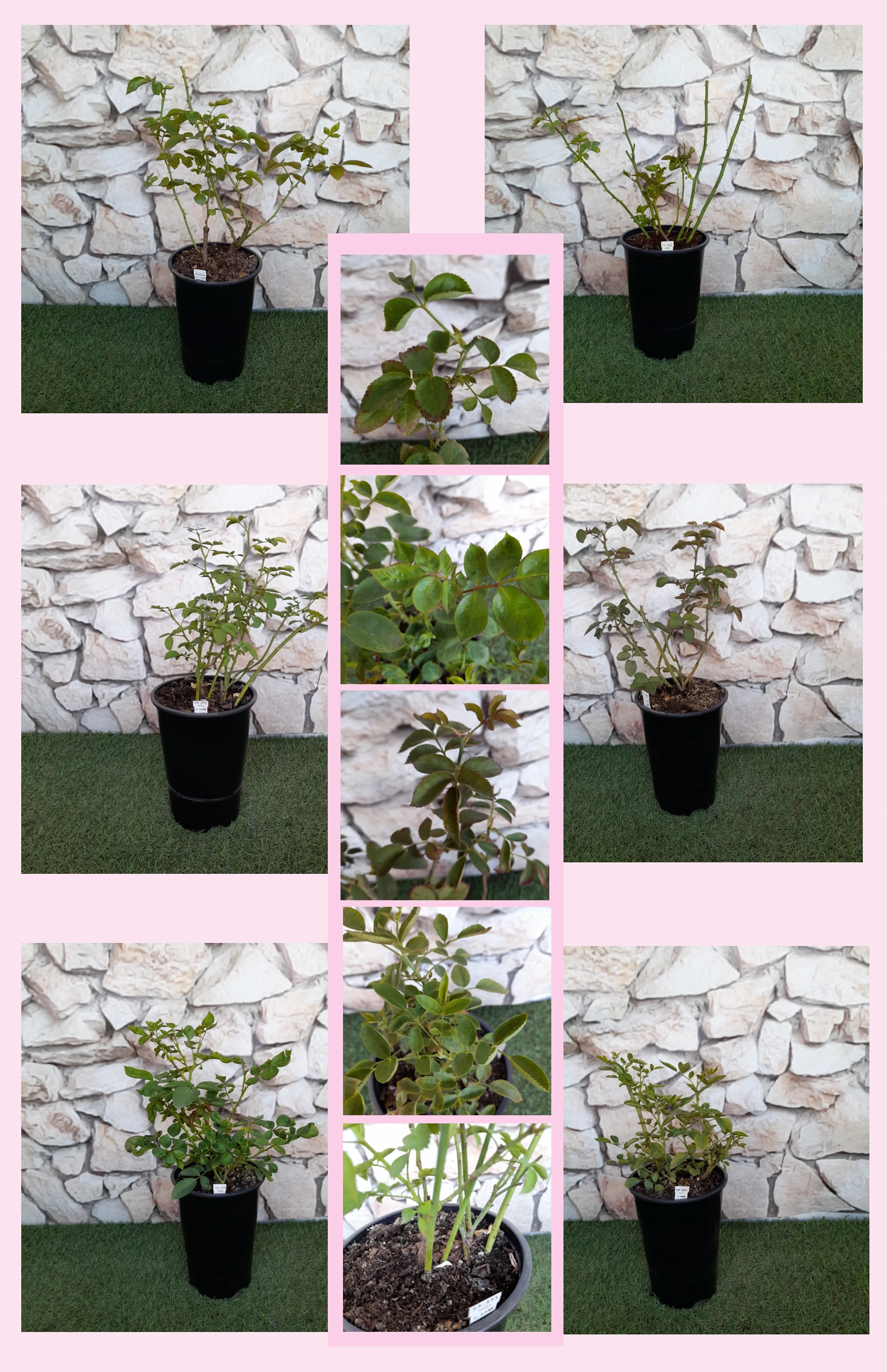
Let Ghislaine drape your pergola or arch with clouds of pastel blossoms, creating a soft, storybook backdrop for afternoon tea and quiet moments. This historic rambler forms a naturally arching, climbing habit with dense, light green foliage and remarkably few thorns, making it far easier to guide by hand around arbours and family seating areas. Its semi-double, nectar-scented blooms repeat through summer in changing shades of peach, cream and pale yellow, lending a gentle cottage-garden charm that suits both country plots and smaller town spaces. Grown on its own roots for dependable longevity, it establishes steadily – roots in the first year, stronger shoots in the second, then full ornamental presence by the third – and anchors well even where you need to manage heavier soils and better drainage in breezier, more exposed gardens.
Usage options
| Target area |
Reasoning |
| Pergola or arbour over a seating area |
The graceful climbing habit and medium height make it ideal for draping over a pergola or tea arbour, providing filtered shade, fragrance and a romantic, enclosed feel without overwhelming a modest family garden; best for the cottage-garden lover. |
| Rose arch at a path or kitchen-garden entrance |
Its cluster-flowered sprays and repeat blooming create a welcoming focal point that frames gateways and paths beautifully, giving a soft, storybook transition into a kitchen garden or back lawn through most of the summer; perfect for the family-home gardener. |
| Training along a fence or low wall |
The long, flexible canes are easy to fan out along wires, covering an ordinary fence or wall with dense, light green foliage and pastel flowers, while own-root vigour helps it knit in securely over time; suited to the busy-homeowner. |
| Part-shaded cottage border with mixed perennials |
Tolerant of partial shade, it will still flower reliably where the sun moves across the garden, blending softly with foxgloves and herbaceous planting, so you can keep a romantic look in real, less-than-perfect light; ideal for the romantic-stylist. |
| Low-maintenance, long-term feature plant |
As an own-root historic rambler it is naturally long-lived, able to regenerate from the base if cut back hard, so once established it offers decades of dependable structure and colour with only moderate seasonal care; reassuring for the future-focused buyer. |
| Family garden with children and pets |
With barely any thorns compared with many climbers, it is kinder around play areas and narrow paths, yet still robust enough to cope with everyday family use and occasional rough handling of the canes; reassuring for the family-conscious gardener. |
| Medium-care rose scheme with simple maintenance |
Average disease resistance and moderate self-cleaning mean that, with basic watering in dry spells and an annual tidy, it will keep flowering well without demanding specialist attention, fitting into busy weekly routines; designed for the time-poor beginner. |
| Exposed or heavier-soil UK plots |
Good winter hardiness and strong root anchoring from its own-root form help it cope with real-world conditions, including heavier soils where you improve drainage or plant in raised beds in more windswept parts of the garden; helpful to the practical-planner. |
Styling ideas
- Kitchen-garden arch – Train it over a simple metal or wooden arch at the entrance to your vegetable plot, pairing with foxgloves and herbs for a traditional potager feel – for lovers of productive, pretty spaces.
- Pastel pergola – Let its peach-to-cream clusters mingle with a pale clematis on a pergola, underplanted with lavender for scent at seat level – for those who enjoy long summer afternoons outdoors.
- Soft screen – Use along a boundary fence with airy grasses and hardy geraniums to create a gentle, semi-transparent screen that still feels light – for small-garden owners needing privacy without heaviness.
- Storybook corner – Curve it around a bench in a quiet corner, combining with old-fashioned shrubs and a birdbath for a nostalgic, restful nook – for romantics who read and relax in the garden.
- Historic highlight – Give it pride of place as a specimen rambler, with simple lawn beneath and a few white perennials, to showcase its heritage character and long season – for collectors of classic roses.
Technical cultivar profile
| Property |
Data |
| Name and registration |
Ghislaine de Féligonde heritage rambler, historic multiflora–musk hybrid; trade name used in commerce, long established in gardens though never formally registered. |
| Origin and breeding |
Bred by Eugène Turbat & Compagnie in Orléans, France, introduced 1916; parentage recorded as ‘Goldfinch’ crossed with an unknown seedling, representing early hybrid multiflora–musk breeding. |
| Awards and recognition |
Holder of the RHS Award of Garden Merit and recipient of a Certificate of Merit at the 1916 Bagatelle International New Rose Competition in Paris, confirming proven garden value. |
| Growth and structural characteristics |
Vigorous climbing rambler reaching about 240–420 cm high and 160–300 cm wide, with flexible, arching canes, dense light green foliage and notably few prickles for easier handling and training. |
| Flower morphology |
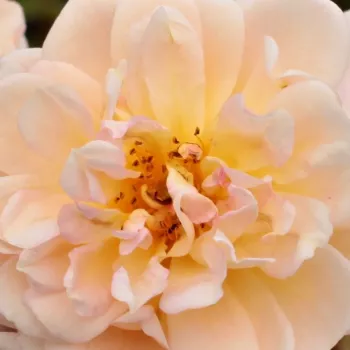
Semi-double, cup-shaped blooms in small clusters, each with around 13–25 petals and a small-flowered (S) size, repeating through the season though the second flush is lighter than the first. |
| Colour data and phenology |
Buds open warm peachy yellow, shifting through soft cream with pinkish tints to pale pastel yellow; colour fades faster to cream-white in heat, giving a constantly changing, softly toned display. |
| Fragrance and aroma |
Medium-strength, sweet nectar-like fragrance clearly noticeable in still air; semi-double blooms gradually reveal stamens, offering some value to pollinators while remaining primarily ornamental. |
| Hip characteristics |
Occasionally produces small, spherical hips about 5–9 mm across, maturing to a clear red tone, adding modest late-season interest without significantly affecting flowering performance. |
| Resistance and winter hardiness |
Hardy to around −26 to −23 °C (RHS H7, USDA 5b), with medium resilience to black spot, powdery mildew and rust; benefits from regular watering and basic hygiene in high-pressure seasons. |
| Horticultural recommendations |
Suited to arches, pergolas, walls, fences and specimen use; allow 130–220 cm between plants, and use a minimum 40–50 litre container if grown in a large pot to support its climbing habit. |
GHISLAINE DE FÉLIGONDE offers softly coloured repeat blossom, a gentle, low-thorn climbing habit and long-lived, regenerating own-root reliability; a thoughtful choice if you want lasting romance in a real family garden.