GÉNÉRAL KLÉBER – pink historic moss rose - Robert
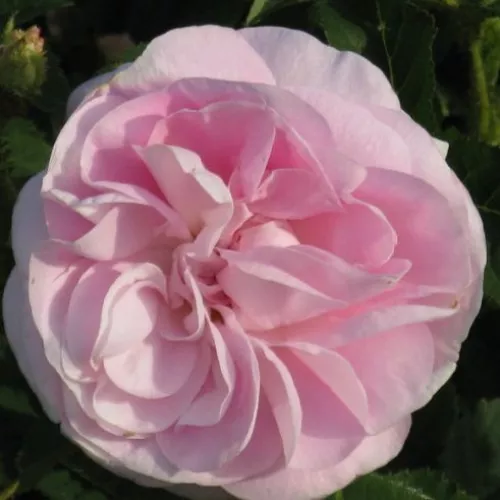
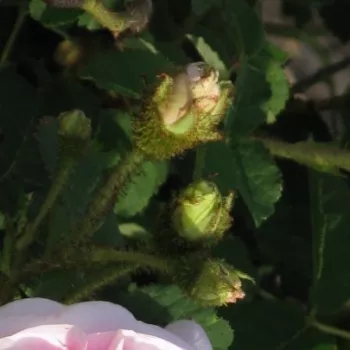
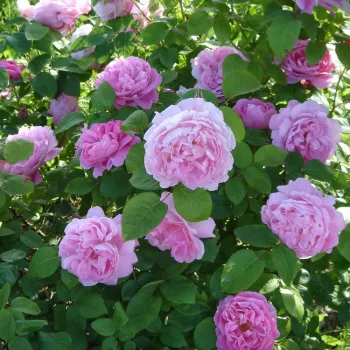
Step into a storybook corner of the garden with GÉNÉRAL KLÉBER, a romantic moss rose that settles calmly into family life and shrugs off typical British weather in exposed spots with good drainage on heavy soils. Its tall, upright habit and mossed buds bring an unmistakably antique charm to cottage borders, while the strong, old-fashioned rose fragrance drifts beautifully across a lawn or terrace at tea time. Once-flowering, it delivers a magnificent early-summer display and then holds its light green foliage as a quiet structural presence for the rest of the year. Grown on its own roots, it is designed for longevity, rebuilding from the base if stems are damaged and offering reliable regrowth with only straightforward seasonal tasks. In the first year it concentrates on roots, the second on strong shoots, and by the third year it reveals its full ornamental potential as a mature, romantic shrub.
Usage options
| Target area |
Reasoning |
| Main focal shrub in a cottage-style front garden |
The tall, upright structure and mossed buds give a clear focal point that reads beautifully from the street, suiting small front gardens where one well-chosen shrub must carry the scene; ideal for those wanting traditional impact without complex planting plans, especially homeowners. |
| Afternoon-tea seating area or arbour backdrop |
Strong old-rose perfume and a single, concentrated flush create a memorable early-summer backdrop, perfect beside a bench, pergola or arbour where fragrance and romantic atmosphere matter more than continuous bloom, appealing particularly to romantics. |
| Loose flowering hedge between garden “rooms” |
Recommended spacings make it easy to plan an informal hedge that screens play areas or a kitchen garden without feeling rigid, forming a soft, traditional boundary while remaining manageable for those who prefer light, occasional pruning, well suited to busy families. |
| Mixed cottage border with perennials and herbs |
The once-a-year flower show partners well with long-flowering cottage perennials, while moderately dense, matt foliage provides structure afterwards; this simplifies border care because you can underplant and mulch without frequent rose deadheading, supporting relaxed gardeners. |
| Lightly shaded, east- or north-facing aspects |
Its suitability for partial shade allows planting where many roses sulk, such as alongside older walls or between established shrubs, helping you bring a period look to awkward corners without redesigning the entire garden, a benefit for urban and village owners. |
| Traditional rose bed in heavy or chalky soil |
Robust shrub structure and moderate disease resistance make it a sound choice where conditions can be cool and damp, including sites exposed to wind and rain near the coast with improved drainage, reducing the risk of disappointment for cautious new planters. |
| Low-maintenance long-term garden framework |
A once-flowering, own-root historic shrub needs only periodic thinning and height control, so it quietly anchors long-term planting schemes without demanding weekly attention, suiting those planning for decades rather than seasons, including forward-looking buyers. |
| Larger container or half-barrel near the house |
In a 40–50 litre or larger container, its upright habit and scented summer flush are easily enjoyed from doorstep or patio; being on its own roots, it tolerates harder pruning if needed after winter without losing character, reassuring container-focused beginners. |
Styling ideas
- Victorian porch welcome – Place as a single specimen by the front door with lavender and Gypsophila ‘Festival Pink Lady’ at its feet for a scented, nostalgic entrance – ideal for lovers of period character homes.
- Rose-and-herb tea corner – Back an intimate seating nook with GÉNÉRAL KLÉBER and edge the area with thyme and chives so early-summer blooms frame afternoon tea – perfect for cottage-garden enthusiasts.
- Soft boundary hedge – Plant a loose line at recommended hedge spacing, weaving in Verbena hastata ‘Blue Spires’ to extend colour beyond the main flush – suited to families wanting a gentle screen.
- Country park border – Use several shrubs as taller anchors in a mixed border, underplanted with nepeta and hardy geraniums to keep interest after flowering – a good fit for larger, traditional plots.
- Historic accent in a kitchen garden – Position one plant at the end of a vegetable bed or path with Echinops for contrast, bringing romance and structure to productive spaces – attractive for kitchen-garden keepers.
Technical cultivar profile
| Property |
Data |
| Name and registration |
Moss rose, commercial historical rose type; current trade name GÉNÉRAL KLÉBER – pink historic moss rose - Robert; ARS exhibition name General Kleber; heritage Dowager shrub exhibition category. |
| Origin and breeding |
Bred by François-André Robert at Moreau-Robert nursery, Angers, France; introduced around 1856; unregistered variety in modern registers but well established in heritage collections. |
| Awards and recognition |
Recognised in exhibition circles as a Dowager Rose Queen (2000), reflecting its value as a classic moss rose for heritage displays and as a reference cultivar for historic rose collectors. |
| Growth and structural characteristics |
Upright shrub 130–200 cm high and 100–160 cm wide; moderately dense, matte, light green foliage; densely thorned canes and mossed buds; best given room as a specimen or loose hedge. |
| Flower morphology |
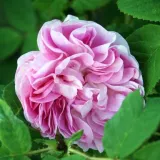
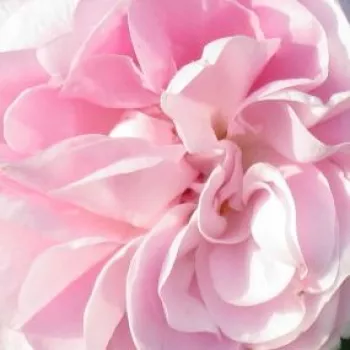
Large, very full, rosette-shaped, cluster-flowered blooms with over 40 petals; once-flowering, not remontant; one generous early-summer flush, especially effective as a seasonal highlight shrub. |
| Colour data and phenology |
Delicate, translucent pale pink with slight lilac tint; RHS 65C outer, 62D inner; opens pastel and fades to light pink with almost whitish margins; moderate colour retention in changeable summer weather. |
| Fragrance and aroma |
Rich, strong, old-fashioned rose scent, typical of historic moss roses; best appreciated near seating or paths; densely double form limits pollinator access, so it is grown mainly as an ornamental feature. |
| Hip characteristics |
Occasional small, spherical hips 12–19 mm in diameter; orange-red when ripe; not a heavy bearer but can add discreet seasonal interest and a light wildlife resource in late summer and autumn. |
| Resistance and winter hardiness |
Hardy to approximately –32 to –29 °C (USDA 4b, RHS H7, Swedish Zone 5); resistant to powdery mildew; moderate tolerance of black spot and rust; benefits from standard hygiene and spacing. |
| Horticultural recommendations |
Suited to flower beds, specimens and parks; prefers sun to partial shade; plant 120–200 cm apart depending on use; maintenance medium, with occasional disease checks and structural pruning as needed. |
GÉNÉRAL KLÉBER offers a richly scented early-summer display, upright structural presence and reassuring cold hardiness, while its own-root form supports long-lived, easily refreshed growth; a thoughtful choice if you favour romantic, low-fuss planting.