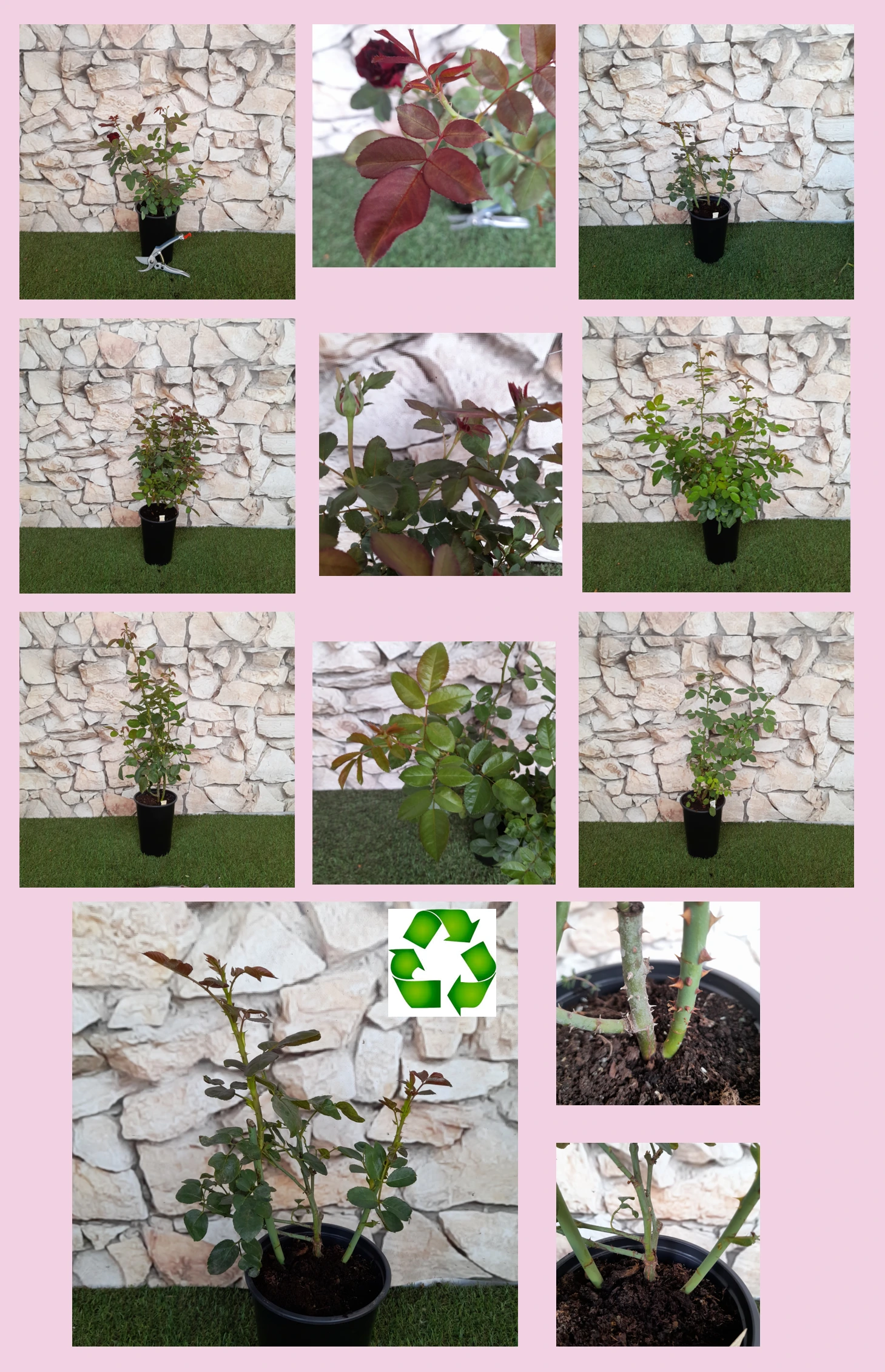
Gabriel flowerbed rose – own-root floribunda for romantic cottage borders
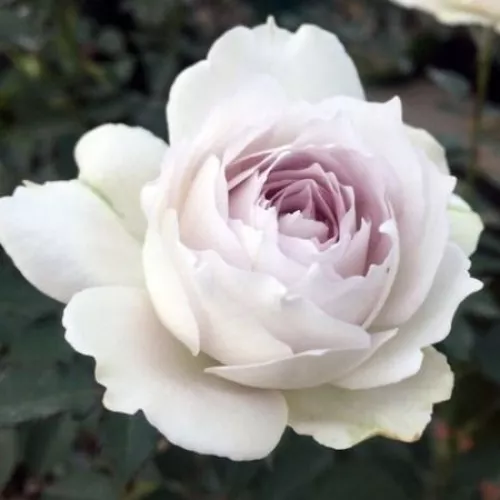
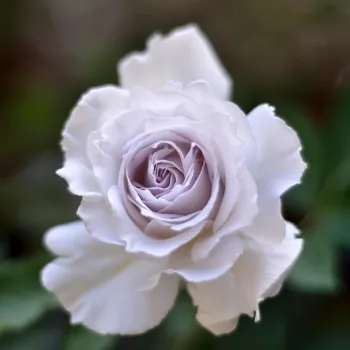
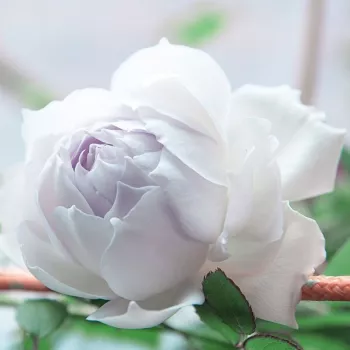
With its misty white and lavender blooms, Gabriel transforms a small family garden into a romantic corner for afternoon tea beneath an arbour, while its bushy habit copes reliably even where strong breezes and rain sweep in from the sea. This floribunda shrub rose flowers in generous clusters, giving you a consistently romantic look from early summer well into autumn. Planted as an own-root rose in a simple, well-prepared bed, it settles in quickly and then rewards you with reliable regrowth from the base, so the shrub keeps its shape and charm for many years. Its naturally healthy foliage means fewer chemical treatments and fewer weekend chores, a reassuring choice for busy households and beginners. The medium-sized, very double blooms are charming in cottage-style borders, edging paths or beside a kitchen garden, and the pleasantly fragrant scent adds a gentle, storybook atmosphere on still evenings. In a large 40–50 litre container on a terrace or balcony, it creates a soft-focus feature that feels mature surprisingly quickly, while its steady growth rhythm makes it easy to manage year after year.
Usage options
| Target area |
Reasoning |
| Low-maintenance family flowerbed |
Gabriel is bred with good resistance to black spot, powdery mildew and rust, so routine spraying can often be reduced or avoided in an ordinary family border. Maintenance stays simple: basic feeding, watering and the occasional tidy-up are usually enough for dependable display, giving peace of mind to the busy gardener. |
| Long-lived cottage-garden shrub |
As an own-root rose, Gabriel renews itself from its base rather than relying on a graft, so if winter or pruning takes a heavier toll, fresh shoots arise from the original variety and restore the plant’s shape. This helps preserve its ornamental value over many seasons for the romantic traditionalist. |
| Coastal or exposed suburban garden |
The moderately dense, mid-green foliage and bushy, slightly arching habit stand up well in ordinary wind and wet spells, keeping the plant stable and attractive where weather can be changeable, such as coastal fringes. This adds reassurance when planting in open situations for the cautious homeowner. |
| Season-long colour in modest-sized beds |
Gabriel flowers in clusters through summer with an abundant repeat flush, giving frequent waves of bloom rather than a single peak. In small and medium front gardens, this offers a steady romantic effect without intricate planning, ideal for the time-poor enthusiast. |
| Containers and large terrace pots |
Its compact, bushy height of around 80–120 cm suits a substantial 40–50 litre container, where the arching, cluster-flowering habit creates a full, soft mound. With regular watering and feeding, it becomes a focal point that still remains manageable for the urban balcony-owner. |
| Romantic white-and-lilac colour schemes |
The soft snow-white petals washed with a powdery lavender centre blend beautifully with pale pinks, mauves and silvery foliage, perfect for a “girly” cottage palette. This subtle colouring adds depth without harsh contrast, pleasing the colour-conscious planner. |
| Fragrant seating and tea areas |
Medium-intensity, softly sweet fragrance rises from the very double, medium-sized blooms, noticeable yet not overpowering near benches or a small patio. Planted beside seating, it contributes to a calm, cosy atmosphere that appeals to the evening garden-lover. |
| Flexible hedging and layout design |
With a spread of 60–85 cm and planting distances of 40–75 cm, Gabriel works as an informal low hedge or as individual specimens. You can adjust spacing to suit paths, drive edges or mixed borders, which is helpful for the practical planner. |
Styling ideas
- Cottage-hedge sweep – Plant Gabriel in a loose line 40–50 cm apart to edge a front garden, underplant with garden pinks for frothy texture – ideal for lovers of classic village-front charm.
- Arbour tea-corner – Flank a simple wooden bench with two Gabriels and thread a light climber behind; add dwarf Michaelmas daisies for late colour – suited to those creating a cosy afternoon tea spot.
- Kitchen-garden border – Use Gabriel as a soft divider between vegetables and lawn, with windflowers and herbs for a relaxed potager effect – perfect for families who like a productive yet pretty garden.
- Romantic patio pot – Grow a single Gabriel in a 40–50 litre clay pot, surround the base with low catmint or pinks for a scented container – appealing to balcony and terrace owners wanting easy elegance.
- Soft sunset palette – Combine Gabriel with pale mauve perennials and silvery foliage shrubs in a mixed bed for a misty, harmonious scheme – for gardeners favouring gentle, feminine colour combinations.
Technical cultivar profile
| Parameter |
Data |
| Name and registration |
Gabriel – floribunda/shrub rose in the Flowerbed rose collection; registered as ‘Gabriel’, commercial type bedding floribunda rose, marketed as Gabriel Flowerbed rose Gabriel. |
| Origin and breeding |
Bred by Junko Kawamoto at Kawamoto Rose Garden, Japan; breeding, introduction and registration all dated 2008, originally introduced to the Japanese market before wider distribution. |
| Growth and structural characteristics |
Bushy, slightly spreading habit with arching flowering shoots; height 80–120 cm, spread 60–85 cm; moderately dense, mid-green, slightly glossy foliage; moderately thorny stems with good garden presence. |
| Flower morphology |
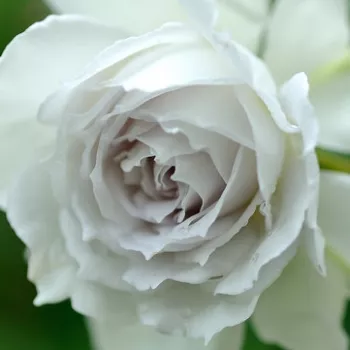
Very double, spherical to pompon-type medium blooms (approximately 1.5–2.75 inches) borne in clusters; remontant with a generous second flush; weak self-cleaning, so deadheading improves appearance. |
| Colour data and phenology |
Delicate snow-white base with powdery lavender-grey centres; buds whitish with lilac veil; colour softens to creamy white as it ages, with moderate fading in strong sun; ARS code wh, RHS 155D outer, 76D inner. |
| Fragrance and aroma |
Softly sweet, medium-intensity scent, clearly noticeable at close range without being overpowering; best appreciated near seating or paths where clusters of blooms can be enjoyed at nose height. |
| Hip characteristics |
Due to very double flowers, hip set is generally low; occasional small spherical orange-red hips, around 8–12 mm diameter, may develop late in the season, adding a quiet decorative note. |
| Resistance and winter hardiness |
Rated resistant to powdery mildew, black spot and rust under normal conditions; hardy approximately to −21 to −18 °C (USDA 6b, RHS H7, Swedish Zone 3) when planted and mulched appropriately. |
| Horticultural recommendations |
Prefers sunny positions; suitable for beds, low hedges, specimen use, cut flowers and larger containers; plant at 40–75 cm spacing depending on effect; low maintenance, with routine care and light pruning. |
Gabriel combines reliable cluster flowering, softly sweet fragrance and good disease resistance in a long-lived own-root form that suits both borders and large containers; a thoughtful choice if you favour romantic cottage style with minimal fuss.