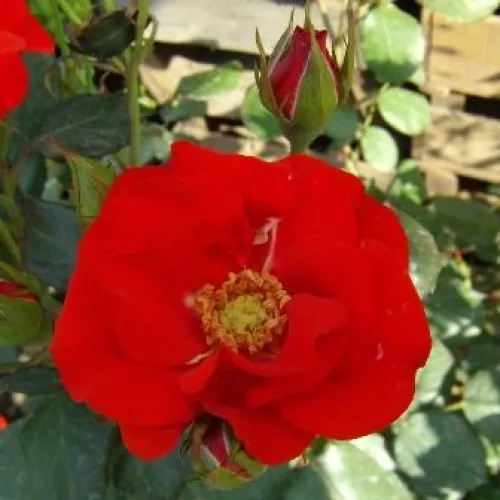
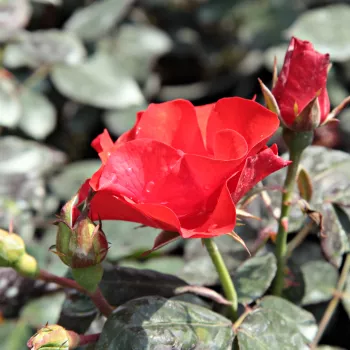
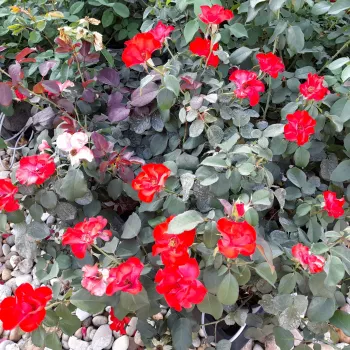
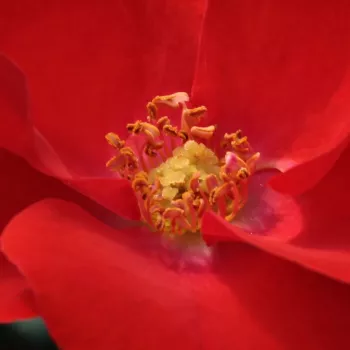
FRED LOADS™ – orange-red bedding floribunda rose
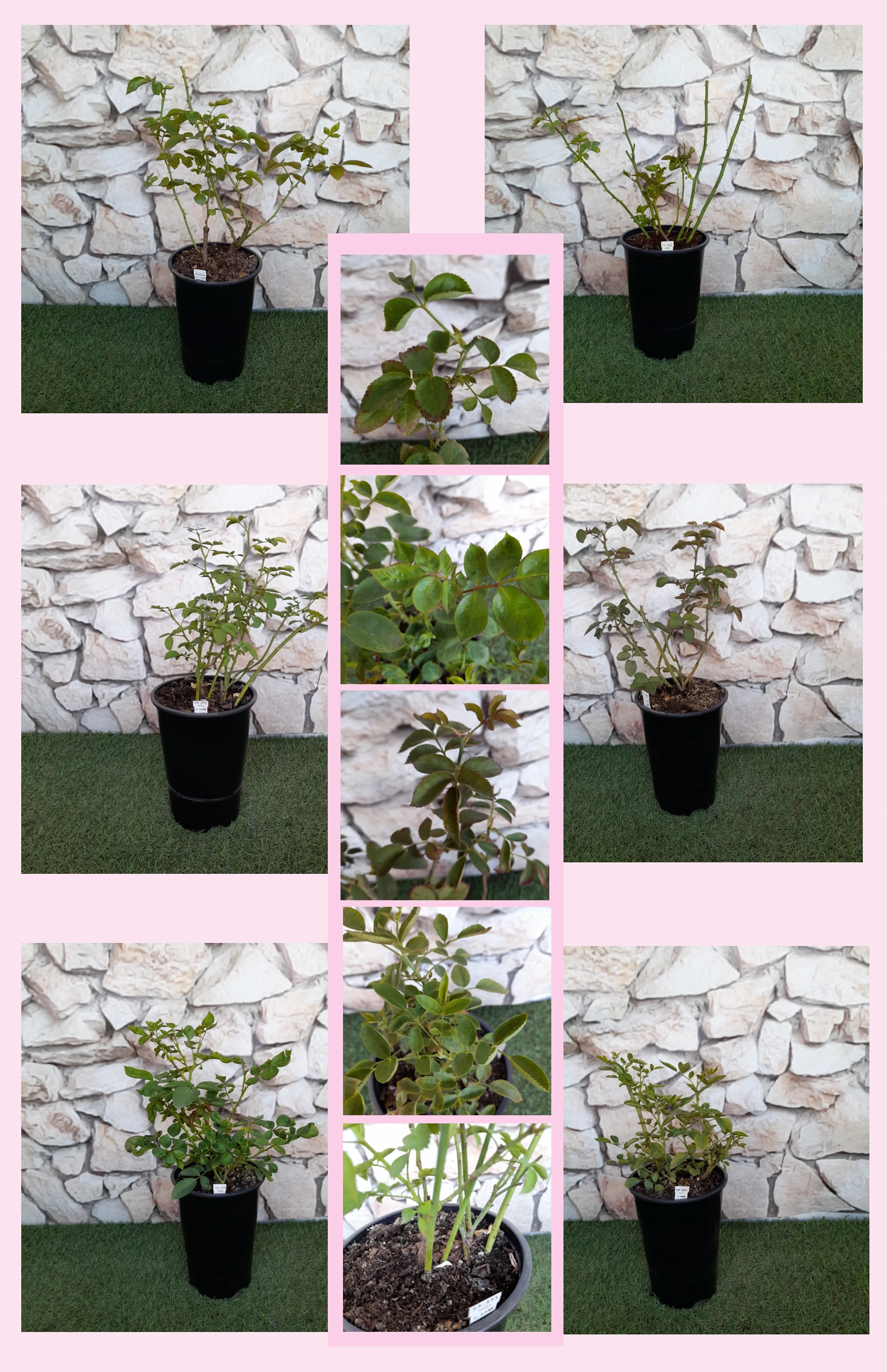
Set the scene for afternoon tea under an arbour with the glowing, storybook blooms of FRED LOADS™, a classic floribunda chosen for its reliable flowering, easy-going character and relaxed cottage-garden charm. This tall, upright bush carries generous clusters of semi-double, orange-red flowers that soften towards peach and coral, giving a soft-focus, romantic palette through the season. On its own roots it settles securely, building long-lived, regenerating structure with minimal fuss and offering medium care needs that suit busy family gardens. Well-rooted plants in our pharmaROSA® ORIGINAL 2‑litre pots are straightforward to establish, especially where improved soil or raised beds help on heavier ground and in exposed, breezier plots near the coast. As the root system strengthens, top growth follows and within a few seasons this dependable rose reaches its full ornamental impact with scent, colour and movement that frame everyday moments outdoors.
Usage options
| Target area | Reasoning |
|---|
| Mixed cottage-style flower bed |
The upright, tall habit and clustered, semi-double blooms give dependable colour at the back of a mixed bed, weaving easily among perennials and herbs without demanding intricate care. Its remontant nature means recurring flushes through summer for hobby gardeners seeking reliable romance in the border, especially beginners. |
| Traditional rose hedge along a path |
Height and dense, glossy foliage allow this floribunda to form a loose, semi-formal hedge that screens and frames garden paths with a warm orange-red glow. Regular but simple pruning keeps it tidy, while own-root resilience supports a long-lived hedge that ages gracefully for families who enjoy a classic look, ideal for homeowners. |
| Feature plant in a small family garden |
As a solitary specimen, its tall, upright framework and generous flower clusters create a vertical focal point without needing specialist rose skills. Medium maintenance and a forgiving growth habit keep tasks manageable, suiting those with limited time who still want a standout rose, perfect for busy urbanites. |
| Partially shaded corners and north-east aspects |
Suitability for partial shade makes this rose valuable where sunlight is limited, bringing colour and scent to aspects that defeat fussier varieties. It flowers reliably with morning or dappled light, fitting naturally into cottage-style side returns and corners used for quiet seating, appealing to shade-challenged gardeners. |
| Wildlife-friendly family border |
Semi-double, open flowers with exposed stamens are easy for pollinators to access, offering nectar and pollen while still looking decorative and tidy. The combination of colour, scent and pollinator appeal works well beside kitchen gardens or play lawns, supporting informal, nature-friendly planting valued by eco-conscious families. |
| Cutting patch and informal vase use |
Clusters of medium-sized blooms with a warm orange-red tone and medium, musky fragrance translate well into jugs and informal arrangements. A decent vase life and repeat flowering supply stems across the season without stripping the plant, matching the needs of home decorators and casual flower-cutters, including enthusiastic amateurs. |
| Exposed, breezier beds and open sites |
The tall, well-anchored bush form and own-root stability help it cope with windswept, open gardens, especially where improved drainage or slightly raised beds are used on heavier soils in blustery, rain-prone areas near the coast. This resilience reduces replanting worries for those in challenging locations, reassuring coastal residents. |
| Long-term, low-fuss rose planting |
Own-root plants develop steadily, first strengthening below ground, then building top growth and finally delivering their full show of colour and scent, giving a robust framework that can recover from weather or pruning mishaps. This long-lived, regenerating habit suits planners who prefer planting once and enjoying for years, such as time-pressed owners. |
Styling ideas
- Cottage Backdrop – Use FRED LOADS™ at the rear of a border behind foxgloves and catmint to exploit its height and repeat flowering as a soft, romantic screen – ideal for lovers of classic cottage gardens.
- Pathway Hedge – Plant a loose row along a garden path, underplanting with lavender and hardy geraniums so the upright habit and dense foliage create a scented, storybook walkway – suited to families who enjoy traditional structure.
- Kitchen-Garden Accent – Position as a vertical focal point at the end of a vegetable bed where its pollinator-friendly, semi-double blooms complement herbs and salads – perfect for rural cooks wanting beauty with purpose.
- Shaded Corner Glow – In a part-shaded nook, pair with ferns and hostas so its orange-red flowers and glossy leaves brighten areas that other roses avoid – helpful for homeowners with awkward, dim garden spots.
- Wildlife Vase Bank – Group a few plants in a small cutting patch mixed with coreopsis and obedient plant, balancing pollinator support in the border with regular stems for informal jugs indoors – appealing to busy, creative arrangers.
Technical cultivar profile
| Property | Data |
|---|
| Name and registration |
FRED LOADS™ is a floribunda bedding rose; registered cultivar and exhibition name Fred Loads, also traded as Fred Loads™ Bedding rose Fred Loads within the Bed rose commercial group. |
| Origin and breeding |
Bred by Robert A. Holmes in the United Kingdom from ‘Dorothy Wheatcroft’ × ‘Orange Sensation’; introduced and registered in 1968, initially distributed by Fryer’s Roses. |
| Awards and recognition |
Holds the RHS Award of Garden Merit (1993), indicating good garden performance, reliability and ornamental value under typical UK conditions when grown with reasonable care. |
| Growth and structural characteristics |
Tall, upright bush rose reaching about 210–290 cm in height and 130–170 cm spread, with dense, dark green, glossy foliage and moderate prickliness providing strong garden presence. |
| Flower morphology |
Semi-double, flat, cluster-flowering blooms with around 13–25 petals, medium-sized at roughly 1.5–2.75 inches, repeating well with a notably abundant second flush for sustained display. |
| Colour data and phenology |
Vivid orange-red flowers with salmon undertone (RHS 40A outer, 40B inner); buds intense reddish-orange, later softening in strong sun towards peach and coral-pink at the petal edges. |
| Fragrance and aroma |
Medium-strength, well-scented fragrance with a delicately musky character; open, semi-double blooms with exposed stamens are moderately attractive to pollinating insects in family gardens. |
| Hip characteristics |
Moderate set of ellipsoidal rose hips, around 13–17 mm across, coloured orange-red, adding seasonal interest if deadheading is reduced later in the year to allow fruiting. |
| Resistance and winter hardiness |
Hardy to approximately −32 to −29 °C (RHS H7, USDA 4b, Swedish zone 5) with moderate disease resistance and average heat and drought tolerance, needing watering in prolonged dry spells. |
| Horticultural recommendations |
Best in beds, parks or as a specimen; plant 90–165 cm apart depending on use, at about 0.9–1.0 plants/m²; tolerates partial shade and benefits from occasional deadheading and protection. |
FRED LOADS™ offers tall, reliable flowering, partial-shade versatility and pollinator-friendly blooms on a durable own-root framework that rewards patient gardeners with long-term, low-fuss beauty, making it a thoughtful choice for your next rose planting.