FRAU DR. SCHRICKER – pink historic China rose - Felberg-Leclerc
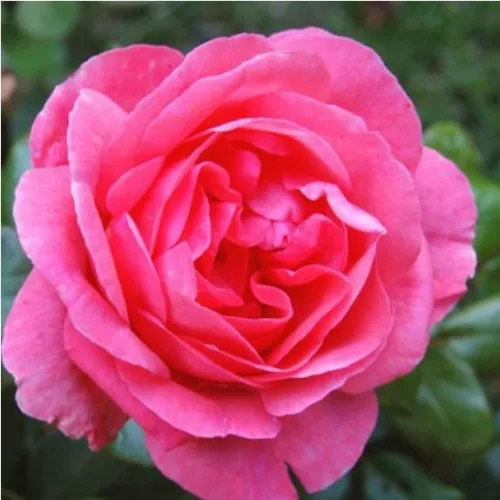
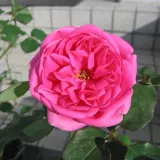
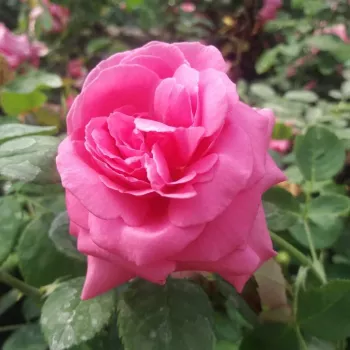
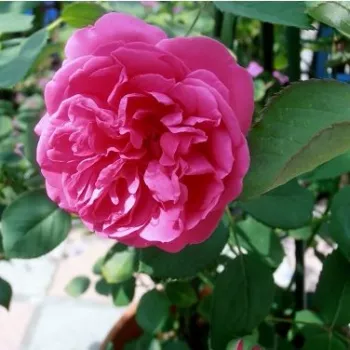
Step into a world of romance with ‘Frau Dr. Schricker’, a pink historic China rose that slips naturally into a cottage-style border and frames afternoon tea beneath an arbour. Its upright, moderate size makes it easy to place in a family garden, and its reblooming clusters of medium-large, cup-shaped flowers keep colour returning from early summer onwards. The strong, sweet fragrance has a classic rose character, ideal beside a favourite seat or path. This own-root shrub is bred for longevity, quietly building a stronger framework each season, and coping reliably even in gardens with frequent rain and blustery winds. With very good disease resistance and low maintenance needs, it suits busy households who prefer relaxed beauty over constant chores. Over time it develops a stable, mature presence, rewarding simple care with dependable flowering and a soft, storybook atmosphere.
Usage options
| Target area | Reasoning |
|---|
| Cottage-style mixed border near the house |
Ideal for the classic English cottage look, with upright, shrub-like growth that threads easily between perennials and herbs. Regular clusters of blooms and a gentle, romantic colour range create a storybook feel with minimal effort for beginners. |
| Fragrant seating corner or afternoon tea nook |
The strong, long-lasting sweet rose scent makes this variety perfect beside a bench, pergola or small terrace, where you can enjoy repeated wafts of fragrance through the season without complex care routines, especially appreciated by homeowners. |
| Low-maintenance family front garden |
Its good disease resistance and modest size mean it fits easily into a small to medium front garden, adding traditional charm without demanding constant spraying or pruning, which suits time-pressed urban families. |
| Romantic flowering hedge segment or boundary marker |
Planted at hedge spacing, it forms a soft, informal flowering line, the moderate prickliness giving some deterrent value while still being manageable, ideal for those wanting a gentle, old-fashioned boundary, particularly gardeners. |
| Feature rose in a kitchen or herb garden |
The warm raspberry-pink tones blend beautifully with vegetables and herbs, creating a “girly” yet productive corner; its historical character and reflowering habit bring continuity and charm through the season for traditional-style cooks. |
| Specimen rose by a path or gateway |
As a single shrub near an entrance, its upright habit and repeating flushes give a clear focal point without overwhelming the space. Own-root stability helps it establish and perform reliably in everyday family settings for many years. |
| Standard (rose tree) for small lawns or patios |
Grafted as a standard, its naturally upright, moderately dense foliage makes a neat crown, while the double, scented flowers deliver cottage-garden charm from eye level, appealing to those who favour classic shapes, especially collectors. |
| Raised bed or well-drained border in wetter regions |
Performs well in typical British conditions when given reasonable drainage, remaining decorative in periods of frequent rain and coastal breezes; in an own-root form, it shrugs off minor set-backs and regrows steadily, reassuring for cautious beginners. |
Styling ideas
- Teacup Arbour – Train ‘Frau Dr. Schricker’ alongside a light rose-covered arch in a small garden seating area, underplanting with lavender and thyme for a scented “afternoon tea” corner – ideal for romantic-minded homeowners.
- Cottage Ribbon – Create a loose ribbon of shrubs along a path, mixing this rose with catmint and foxgloves so the repeating pink blooms and fragrance soften edges – perfect for lovers of traditional cottage gardens.
- Kitchen Patch Muse – Place one or two plants at the edge of a kitchen garden bed, weaving between beans and herbs so the historic flowers and scent frame everyday harvesting – suited to rural cooks who enjoy vintage character.
- Storybook Frontage – Combine with Penstemon ‘Husker Red’ and creeping thyme in a small front border, the pink roses against dark foliage giving a gentle, curated charm – appealing to busy families wanting quick impact.
- Patio Focal Pot – Grow a single plant in a generous 50‑litre container with airy grasses and white diascia to highlight its colour and perfume by the back door – perfect for beginners making the most of limited space.
Technical cultivar profile
| Parameter | Data |
|---|
| Name and registration |
Frau Dr. Schricker, historic China rose; ARS exhibition name: Frau Dr. Schricker; honours Dr Schricker, a female physician; unregistered cultivar from the Heritage rose collection. |
| Origin and breeding |
Raised by Johannes Felberg-Leclerc, Trier, Germany; cross of ‘Gruss an Teplitz’ × ‘Souvenir de Madame Eugène Verdier’; bred and introduced in 1927 as an historically styled shrub rose. |
| Growth and structural characteristics |
Upright shrub, around 80–130 cm high and 55–90 cm wide, with moderately dense, slightly glossy dark green foliage and moderate prickliness; medium self-cleaning, some spent blooms require light deadheading. |
| Flower morphology |
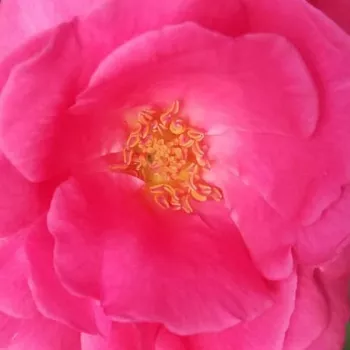
Double, cup-shaped clusters of large blooms (approx. 7–10 cm), 26–39 petals; repeat flowering with a reliable second flush; ornamental value based on clustered heads and classic shrub-rose character. |
| Colour data and phenology |
Vibrant raspberry-pink with carmine undertones; buds vivid, then warm pink; later softens to salmon‑powder with pearly-cream edges; ARS PB, RHS 46A outer and 42B inner; moderate colour retention before fading. |
| Fragrance and aroma |
Strong, sweet rose fragrance with a classic old-rose character; scent persists well in settled weather and is best appreciated near paths, seating areas or doors where air movement carries it through the garden. |
| Hip characteristics |
Rose hips form only occasionally due to the double flowers; where present, expect small, spherical red hips about 8–13 mm in diameter, adding a light autumn accent rather than a heavy display. |
| Resistance and winter hardiness |
Good overall disease resistance to powdery mildew, black spot and rust; winter hardy to approximately −21 to −18 °C (RHS H7, USDA 6b, Swedish zone 3); moderate heat tolerance, needing irrigation in prolonged drought. |
| Horticultural recommendations |
Best in fertile, well-drained soil with sun to light shade; plant 55–60 cm apart for hedges and borders, 100 cm as a specimen; minimal pruning needed, mainly shaping and deadheading to sustain repeat flowering. |
FRAU DR. SCHRICKER offers romantic repeat flowering, strong fragrance and reliable disease resistance in a long-lived own-root form, making it a thoughtful choice for those planning a gently traditional garden.