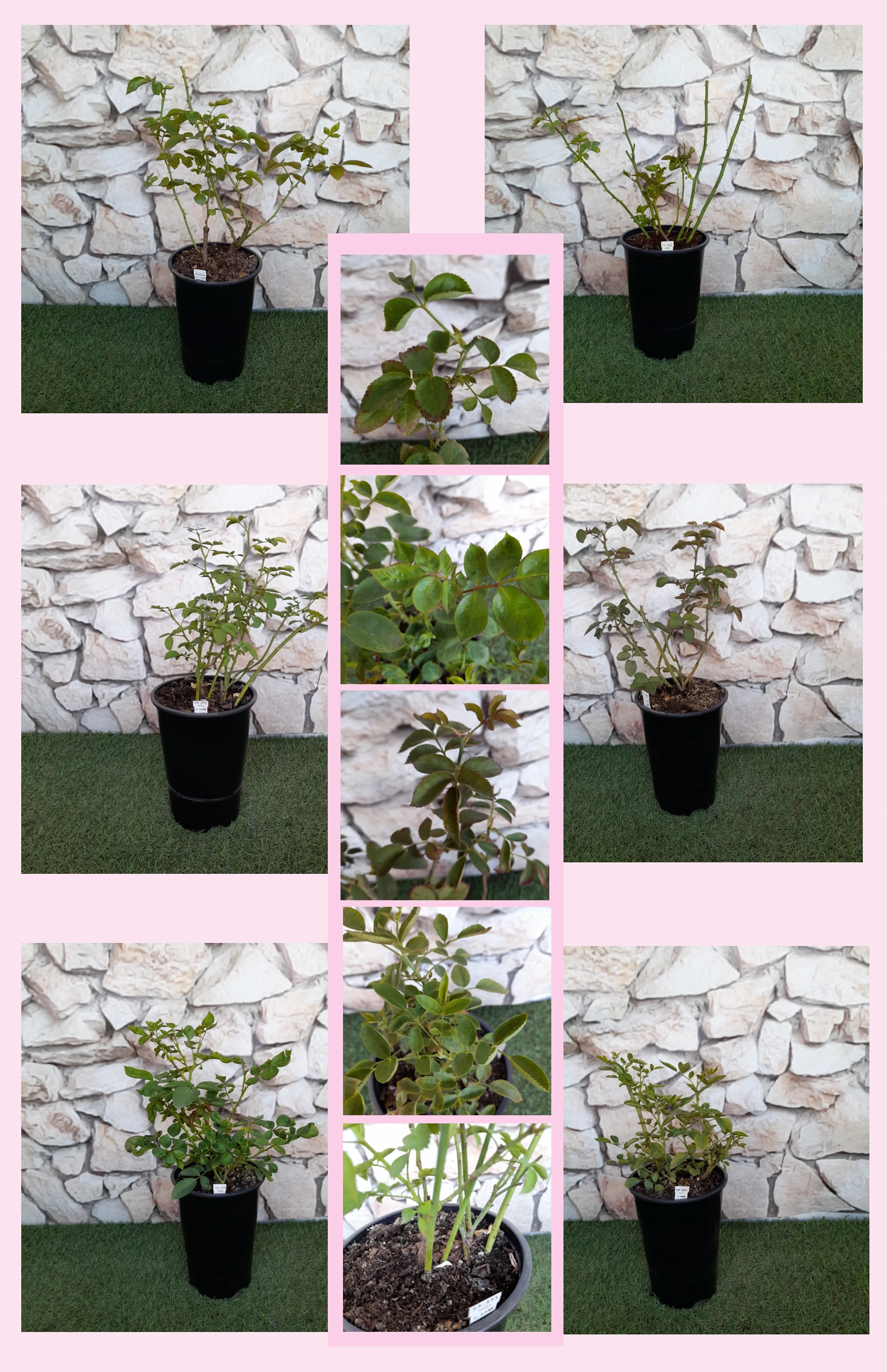
FOURTH OF JULY™ – red-and-white climbing rose - Carruth
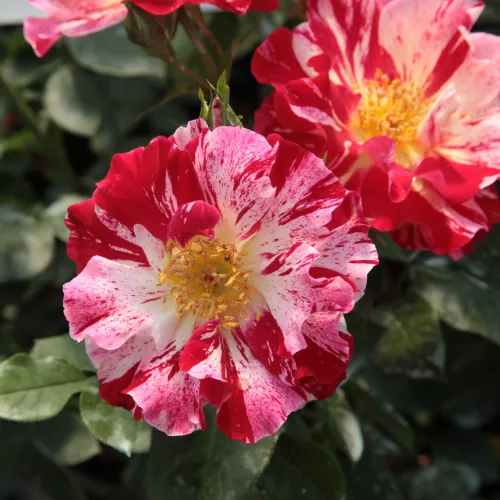
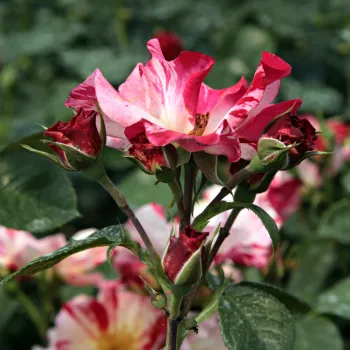
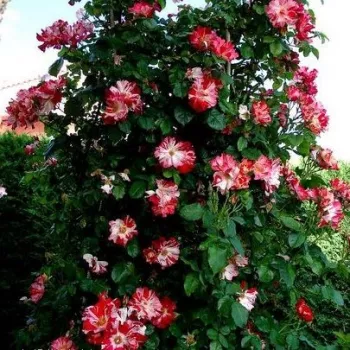
With its boldly striped blooms in bright red and pure white, FOURTH OF JULY™ creates an instant centrepiece over an arch, pergola or sunny fence, bringing a relaxed cottage feel to even the smallest family garden. This repeat-flowering climber covers itself in semi-double clusters from early summer, then follows with a second flush, so your afternoon teatime corner stays colourful for months. On its own roots it builds strength steadily, giving a naturally long-lived, easy-care framework that responds well to flexible pruning. Over the first seasons it knits in reliably – roots in the first year, stronger shoots in the second, then full romantic effect by the third – while its dense, glossy foliage lends lasting structure even between blooms. Well-anchored canes cope admirably with breezier sites and exposed coastal gardens when planted into well-prepared soil, and the strong, apple-cinnamon fragrance drifting from the semi-open blooms attracts bees and adds a quietly indulgent ambience to everyday family life.
Usage options
| Target area |
Reasoning |
| Family garden pergola or arbour |
Ideal for framing a seating area where you imagine afternoon tea, this vigorously climbing rose throws out long, flexible canes that quickly cover an arbour or wooden pergola. Repeat flowering and a strong apple-cinnamon scent make it rewarding with very little fuss for beginners. |
| House wall or sunny fence |
Trained on horizontal wires, it forms a stable, long-lived framework that flowers along the length of the canes, giving a striped, storybook backdrop to everyday life. Own-root growth makes it especially resilient and able to regenerate from the base for homeowners. |
| Romantic cottage-style entrance arch |
The bright red-and-white marbled blooms instantly give a classic cottage-garden welcome, while the semi-double form and visible stamens draw in bees. Medium maintenance needs and self-cleaning clusters keep the entrance looking inviting without constant deadheading for busy-urban-gardeners. |
| Traditional kitchen garden edge or backdrop |
Along the back of a kitchen garden, its dense, glossy foliage and tall, climbing habit create a handsome green wall that sets off herbs and vegetables. The striped blooms and rose hips add seasonal interest with modest care for cottage-style-lovers. |
| Specimen feature in small to medium gardens |
Used alone on a single sturdy support, it becomes a dramatic focal point: a column of stripes and scent that does not overwhelm the space. Good heat tolerance and moderate disease resistance suit typical suburban conditions for family-garden-buyers. |
| Lightly exposed, breezy suburban or coastal plots |
Strong, well-anchoring canes and dense foliage help it stand up to everyday wind, making it a sensible choice where lighter climbers might suffer, especially when planted in enriched, free-draining soil that copes well with blustery, salt-laden air for coastal-gardeners. |
| Large container or half-barrel on patio |
In a 40–50 litre container with a trellis, it brings height, colour and fragrance right onto the patio. Own-root vigour and a repeat-flowering habit mean dependable display; just feed and water regularly to support sustained blooming for patio-rose-enthusiasts. |
| Low-intervention, long-term planting schemes |
Suited to gardeners wanting impact without complex techniques, this own-root climber builds a durable framework that responds well to simple annual trimming. Its ability to cope with typical British rainfall and breeze makes it steady and forgiving for low-maintenance-seekers. |
Styling ideas
- Storybook-arch – Train FOURTH OF JULY™ over a metal arch with lavender and catmint at the base for a soft blue carpet – perfect for cottage-style-lovers seeking a romantic entrance.
- Kitchen-backdrop – Run it along rustic wires behind raised vegetable beds, underplanted with sage and chives – ideal for home cooks who enjoy a traditional potager look.
- Tea-corner – Cover a small pergola above a bistro set, with potted scented geraniums and herbs nearby – suited to those wanting a cosy afternoon-tea retreat.
- Patio-column – Grow it in a 50-litre half-barrel with an obelisk, surrounded by pots of salvias for bees – a good option for balcony and terrace gardeners with limited soil.
- Cottage-fence – Weave its canes along a picket fence, backed by gaillardias and St John’s-wort – recommended for families aiming for an easy, traditional front-garden charm.
Technical cultivar profile
| Parameter |
Data |
| Name and registration |
Climbing rose cultivar WEKroalt, marketed as FOURTH OF JULY™ Climbing rose WEKroalt; large-flowered climber group, exhibition climbing rose, premium gold quality, identity verified 28 July 2025. |
| Origin and breeding |
Bred by Tom Carruth, Weeks Wholesale Rose Grower Inc, United States; cross of ‘Altissimo’ × ‘Roller Coaster’; introduced and registered in 1999, distributed initially by Weeks Wholesale Rose Grower, Inc. |
| Awards and recognition |
All-America Rose Selections winner in 1999 and Royal Horticultural Society Award of Garden Merit, highlighting good garden performance and reliability under typical amateur conditions. |
| Growth and structural characteristics |
Vigorous, climbing habit reaching about 250–400 cm high and 160–260 cm spread; dense, dark green glossy foliage; robust, well-anchoring canes with dense prickles; medium self-cleaning of spent clusters. |
| Flower morphology |
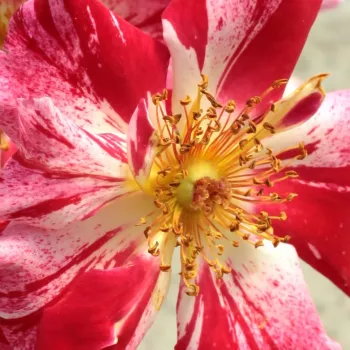
Semi-double, cup-shaped flowers with 13–25 petals, medium-sized clusters on repeat-flowering stems; abundant second flush after the main summer display; cluster-flowered habit suits arches, pergolas and walls. |
| Colour data and phenology |
Bright red and pure white striped blooms; ARS rb, RHS 53A outer and NN155D inner; red tones fade toward raspberry and pinkish cream; irregular marbling remains visible, especially in moderate sunlight. |
| Fragrance and aroma |
Strong, clearly perceptible fragrance with a fresh apple-cinnamon character; semi-double flowers with exposed stamens provide partial pollinator value and are attractive to bees during warm weather. |
| Hip characteristics |
Produces moderately abundant, spherical orange-red hips around 12–18 mm diameter; decorative in late season and useful for birds, though removal can be chosen to encourage additional flowering. |
| Resistance and winter hardiness |
Hardy to approximately −26 to −23 °C (RHS H7, Swedish zone 4, USDA 5b); tolerates heat well and moderate drought with watering in extended dry spells; moderate resistance to black spot, mildew and rust. |
| Horticultural recommendations |
Best in full sun with fertile, well-drained soil; plant 180–300 cm apart depending on use; allow strong framework canes to develop, then tie and lightly prune annually; medium maintenance with occasional plant protection. |
FOURTH OF JULY™ offers dramatic striped colour, romantic fragrance and a resilient, long-lived own-root climbing framework that suits everyday family gardens; consider it if you would like an easy, enduring feature rose.