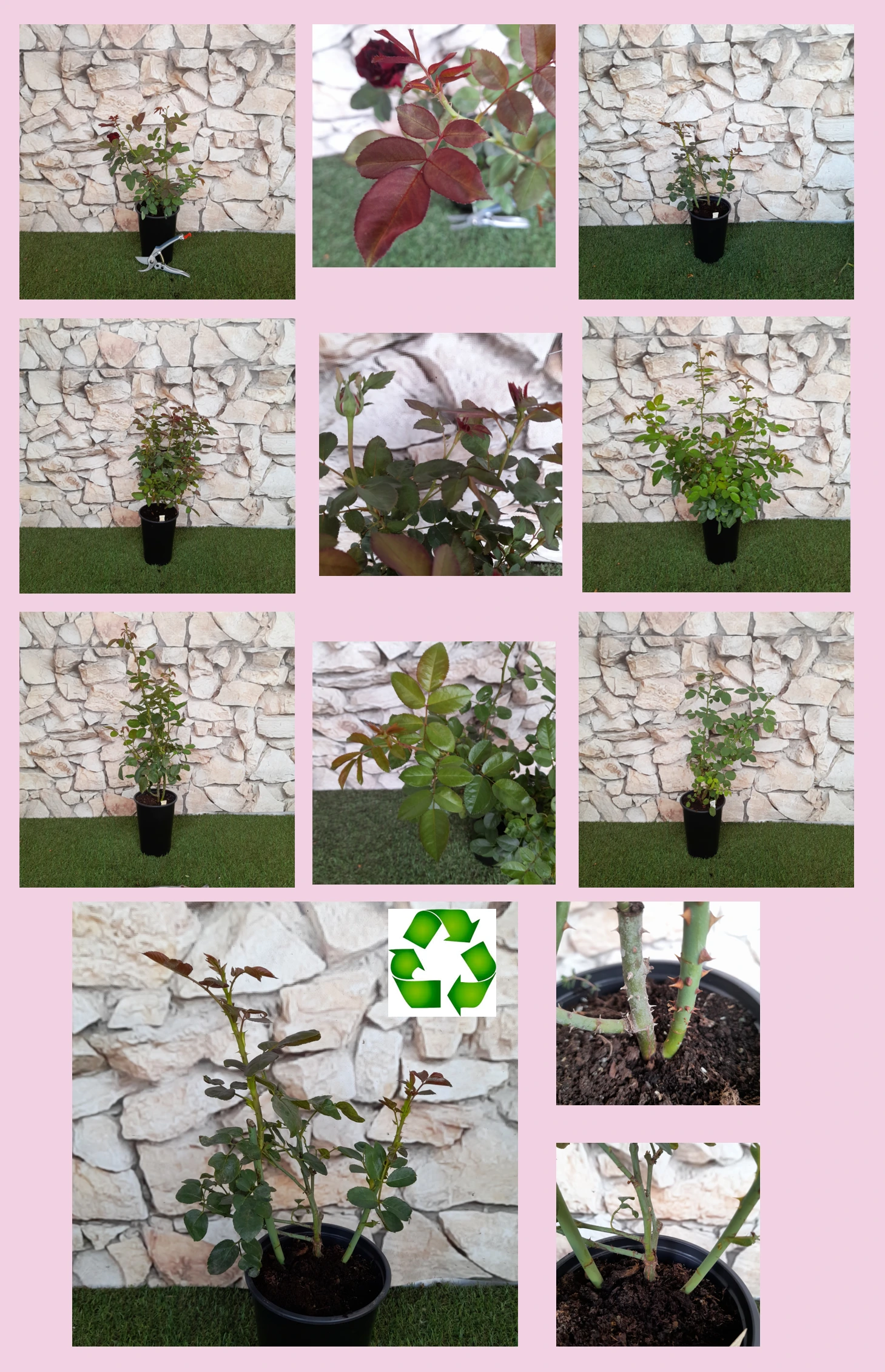
JULIETTA ROSE – apricot-pink hybrid tea rose
Imagine summer afternoons when you step into the garden and are greeted by soft peach‑pink blooms, perfect beside a cottage‑style arbour or kitchen‑garden pathway. JULIETTA ROSE is a bushy hybrid tea whose cluster‑flowered sprays bring a romantic, storybook atmosphere without demanding advanced gardening skills, even in gardens that regularly face brisk winds and driving rainfall from the coast. Its very full, cupped flowers repeat generously through the season, rewarding light, straightforward care with elegant colour you can enjoy both in the border and in vases on your table. As an own‑root rose, it offers dependable long‑term stability, regrowing from its own wood if winter or pruning are less than perfect and preserving its ornamental value year after year. In a typical family plot on clay or chalk, it settles in steadily, giving you more time for relaxed evenings outdoors and less time on complicated plant management.
Usage options
| Target area |
Reasoning |
| Main feature rose near patio or seating area |
Its bushy, upright habit and large, very full blooms create a focal point beside a terrace or garden bench without needing complex pruning – simple annual shaping keeps it in proportion and flowering well for those who want easy elegance. |
| Cutting patch for home-grown bouquets |
The long-stemmed hybrid tea form and cluster-flowered sprays suit gathering stems for jugs and vases, with remontant flowering providing fresh blooms over a long season for those who enjoy arranging flowers at home. |
| Romantic cottage-style border |
The soft peach-pink colour blends effortlessly with perennials and herbs, while medium disease resistance and moderate maintenance needs suit informal borders where you prefer occasional checks rather than intensive regimes for relaxed cottage gardeners. |
| Specimen rose in a small to medium front garden |
Its 90–130 cm height and dense foliage allow it to stand alone as a welcoming accent by the front door, offering tidy structure and repeat flowering without taking over limited space for homeowners with compact plots. |
| Low informal hedge or row along a path |
Recommended planting distances make it straightforward to form a loose flowering line, and the bushy growth fills out well to frame paths and vegetable beds for families wanting a simple, traditional boundary with romantic character. |
| Large container on terrace or balcony (minimum 40–50 litres) |
The medium-sized, upright bush adapts well to big pots, where regular watering and feeding are easy to manage, making it suitable for busy urban gardeners seeking a classic rose presence in limited, paved spaces. |
| Family garden with variable weather exposure |
Its hardy framework and medium disease resistance cope reliably with typical British swings between showers and breezier spells, offering steady garden value even where beds are occasionally exposed to strong coastal winds and persistent rain for practical-minded owners. |
| Long-term planting in a settled family garden |
As an own-root rose, it avoids issues linked to graft failure, can regenerate from its own base after harsh winters or incorrect pruning, and maintains its variety traits over many seasons for those planning a lasting, low-fuss garden structure. |
Styling ideas
- Tea-Table Border – Plant JULIETTA ROSE near a seating nook with low herbs and Brunnera macrophylla for soft foliage contrast – ideal for those creating a cosy tea corner with minimal upkeep.
- Kitchen-Garden Charm – Line one side of a vegetable plot with a loose row, interplanted with chives and marigolds, to bring colour to practical spaces – perfect for home growers who like traditional cottage character.
- Romantic Entrance – Use a single specimen by the front gate, underplanted with lavender, to welcome visitors with gentle scent and colour – suited to homeowners wanting a simple yet refined focal point.
- Large-Pot Retreat – Grow one plant in a 50-litre terracotta container with trailing thyme at the rim – a good solution for balcony or terrace users seeking a classic rose without major structural planting.
- Evening Storybook – Combine with Clematis 'Rooguchi' and Lonicera periclymenum on an arbour nearby to echo its peach-pink sprays – appealing to cottage-garden enthusiasts who enjoy layered, romantic vistas.
Technical cultivar profile
| Parameter |
Data |
| Name and registration |
JULIETTA ROSE hybrid tea rose, commercial group Hybrid Tea; current trade name Julietta Rose Hybrid tea rose pharmaROSA®, collection Hybrid tea rose, own-root container form. |
| Origin and breeding |
Parentage and original breeder are unknown; discovered and selected by pharmaROSA®, initially distributed by Red Lands Roses in Kenya and Grace Rose Farm in the USA for cut and garden use. |
| Growth and structural characteristics |
Bushy hybrid tea shrub reaching about 90–130 cm high and 75–105 cm wide, with moderately thorny shoots and dense, medium-green, slightly glossy foliage forming a compact, balanced garden plant. |
| Flower morphology |
Large L-sized, very full, cupped blooms with 40+ petals, mostly borne in clusters; remontant habit with an abundant second flush providing extended seasonal display in borders and cutting gardens. |
| Colour data and phenology |
Soft peach-pink blooms (RHS 65C outer, 65A inner) open from creamy buds, then fade gently to pastel and cream-edged tones, maintaining good ornamental value as flowers progress on the plant. |
| Fragrance and aroma |
Mild, sweet, fruity fragrance of restrained intensity; enough to notice at close quarters or in small indoor arrangements, but not overpowering around seating areas or in tightly enclosed garden spaces. |
| Hip characteristics |
Rosehip set is usually slight due to very double flowers; when present, produces small spherical orange-red hips around 8–12 mm in diameter, adding modest late-season interest. |
| Resistance and winter hardiness |
Rated to around –26 to –23 °C (RHS H7, Swedish zone 4, USDA 5b); medium resistance to black spot, powdery mildew and rust, requiring occasional monitoring and timely basic treatments. |
| Horticultural recommendations |
Best in sunny positions with moist, well-drained soil; plant about 55–65 cm apart depending on use, provide medium-level care with periodic pruning and cleaning of spent blooms to maintain form and flowering. |
JULIETTA ROSE offers romantic peach-pink blooms, reliable hardiness and long-term own-root resilience, making it a thoughtful choice if you would like a gently indulgent yet undemanding garden rose.